Skip to content
GenWise

Course catalog · GW Explorers (Grades 6–7)

Make a paper bridge hold a weight, a table float on strings, and a pulley system lift a load you couldn't lift by hand.

Day one, children build a paper bridge and load it until it gives way: breaking it is the point. Then they meet the forces behind it, tension, gravity and friction, felt in their hands before they are named. They rig pulleys that trade distance for force, build a table that seems to float on strings, and end the week with a build of their team's own design, made with real tools under close adult supervision.

Last May: children load-tested paper bridges and built a tensegrity table that seems to float.
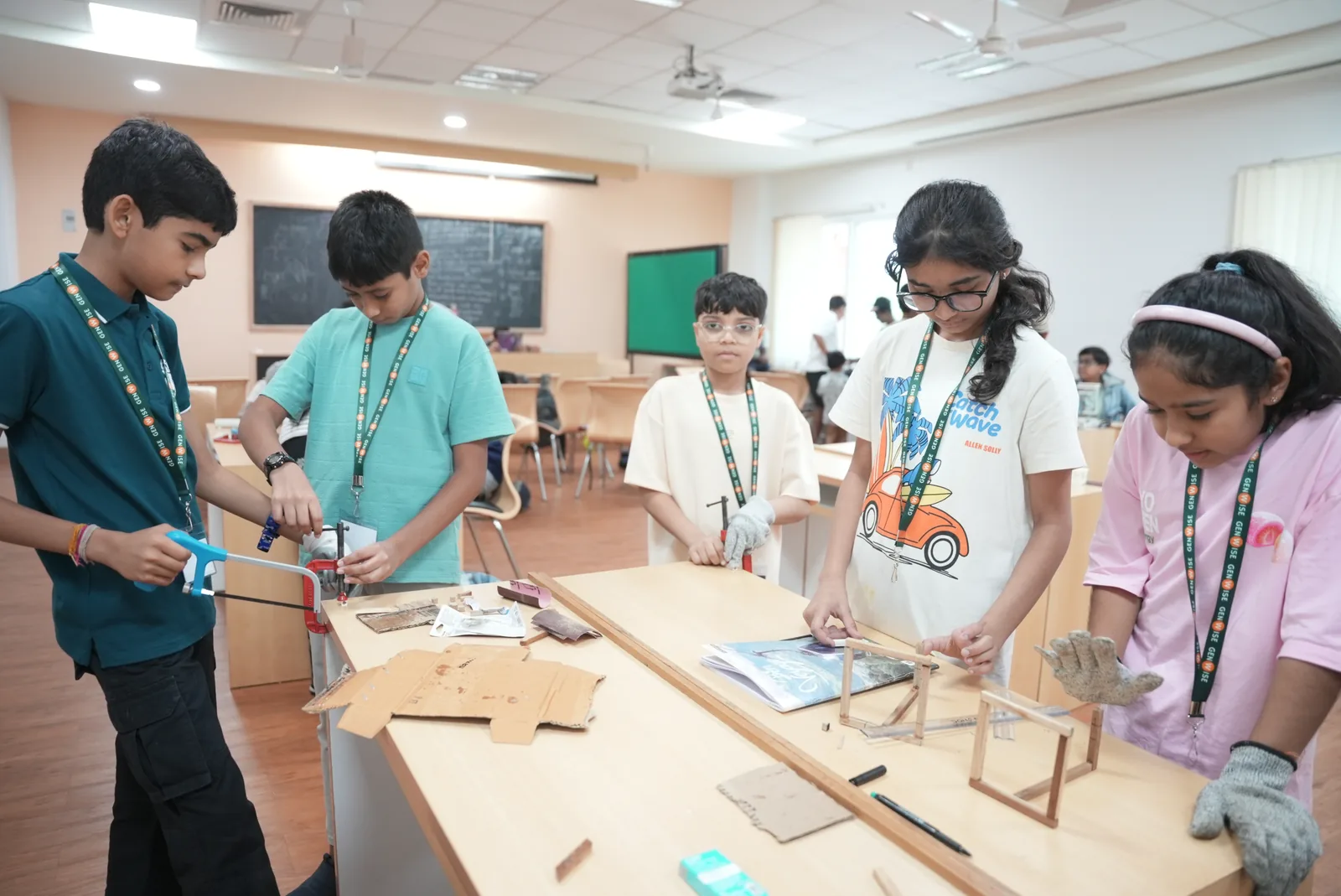
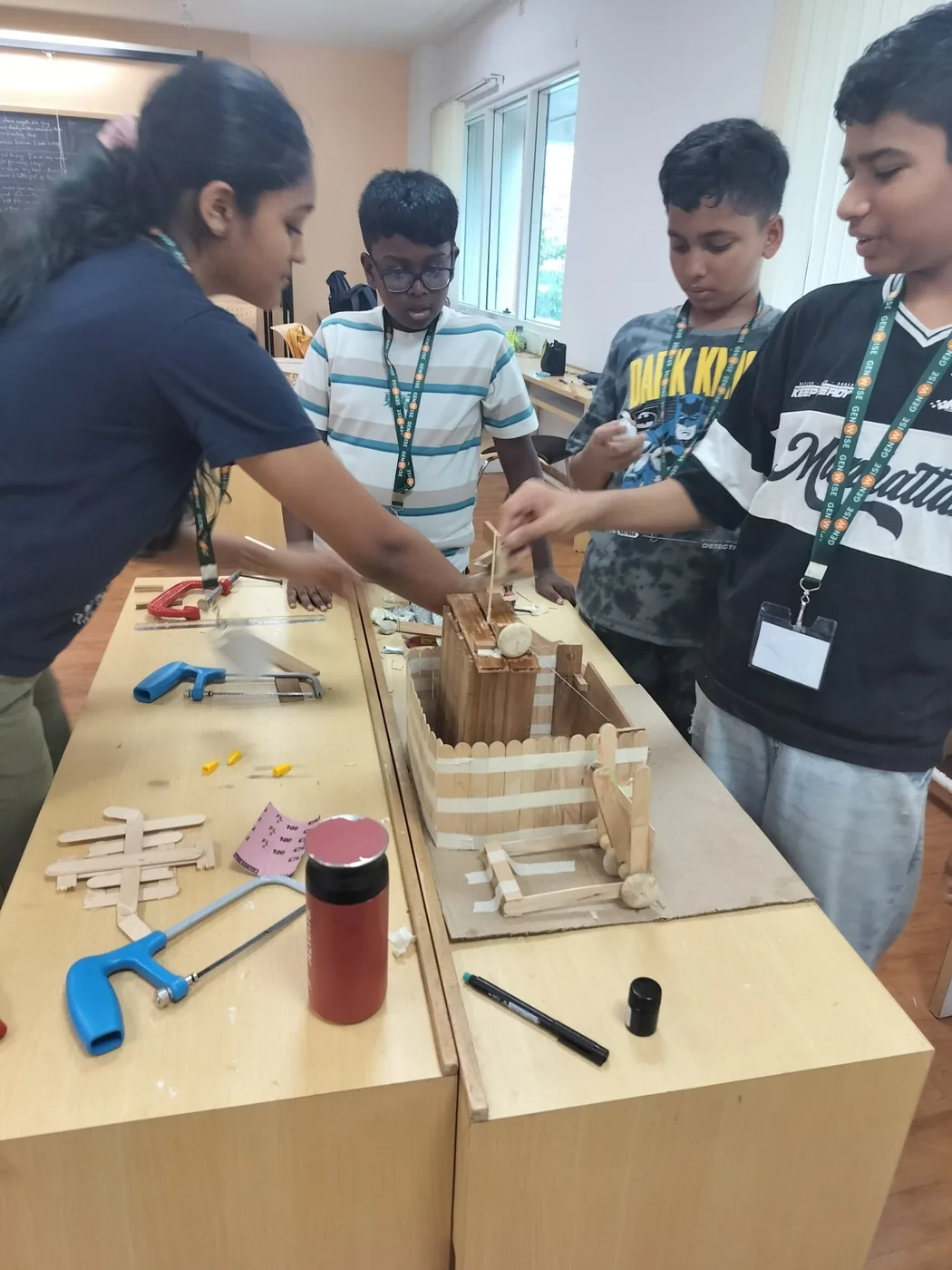
Explorers sawing and assembling wooden frames at the bench, gloves on, Build It, Break It, GSP'26

Taught by Amit Deshwal, Founder, A Little Grove · IIT Madras graduate. Meet all the mentors

₹1,20,000 ₹1,60,000, GST included. Early-bird till 31 Dec 2026.

16–29 May 2027.

Free · 20 questions · 35 minutes

Pay ₹40,000 to hold a seat. Change your mind until 28 February 2027 and all of it comes back. The refund terms

FacilitatorAmit Deshwal
Duration1 week
Teaching hours30
GradeGrades 6–7 (as of 2027–28)

What you will do

One week of building things, breaking them on purpose, and finding the forces that decided when.

The plan

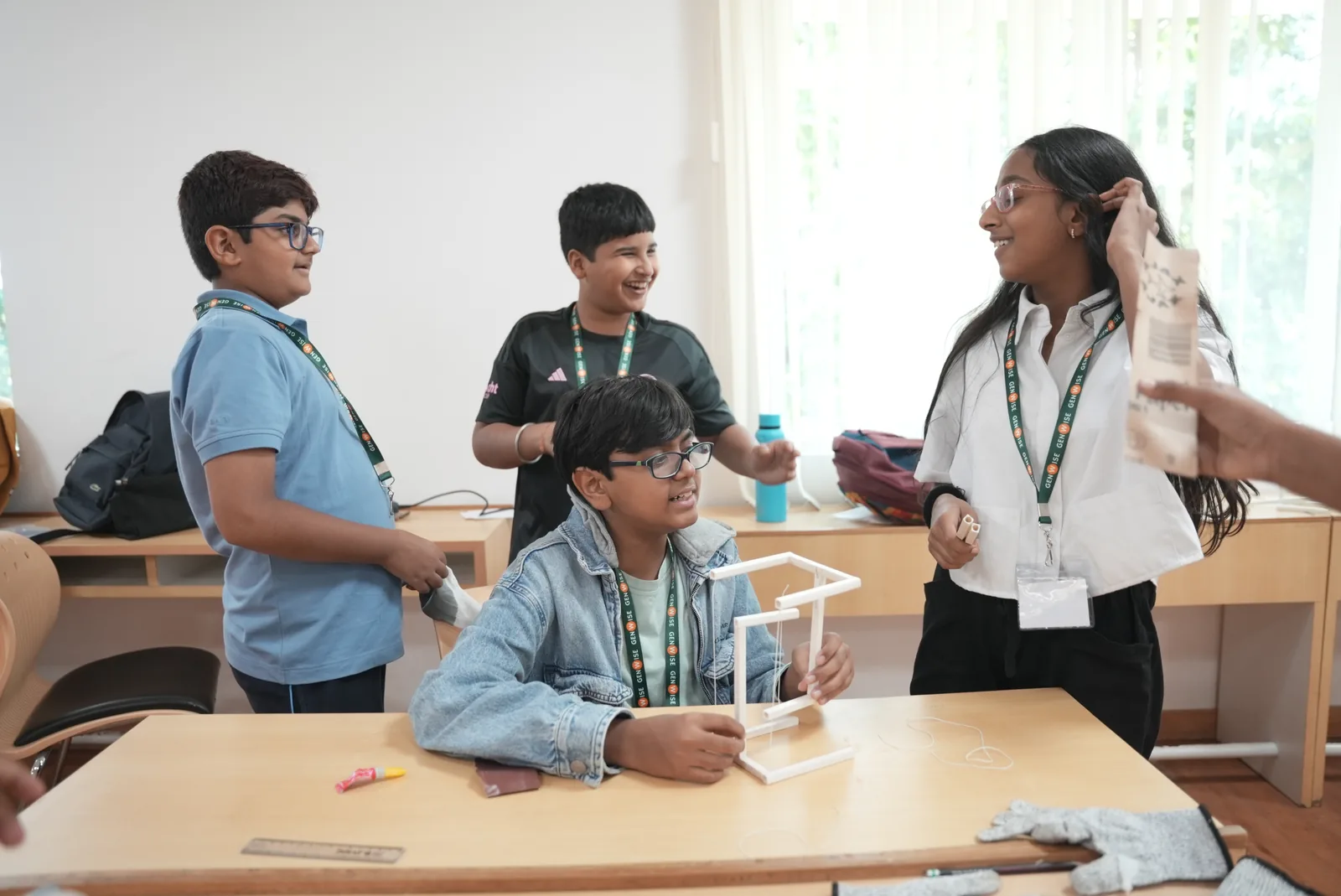
  1. Explorers comparing the wooden frames they built, Build It, Break It, GSP'26

    Build, break, look closely

    A paper bridge tested until it breaks, and the forces that decided when.

    • Paper bridges under weight
    • Forces all around us
    • Newton's laws, felt first
    • The pattern in the bridge that held
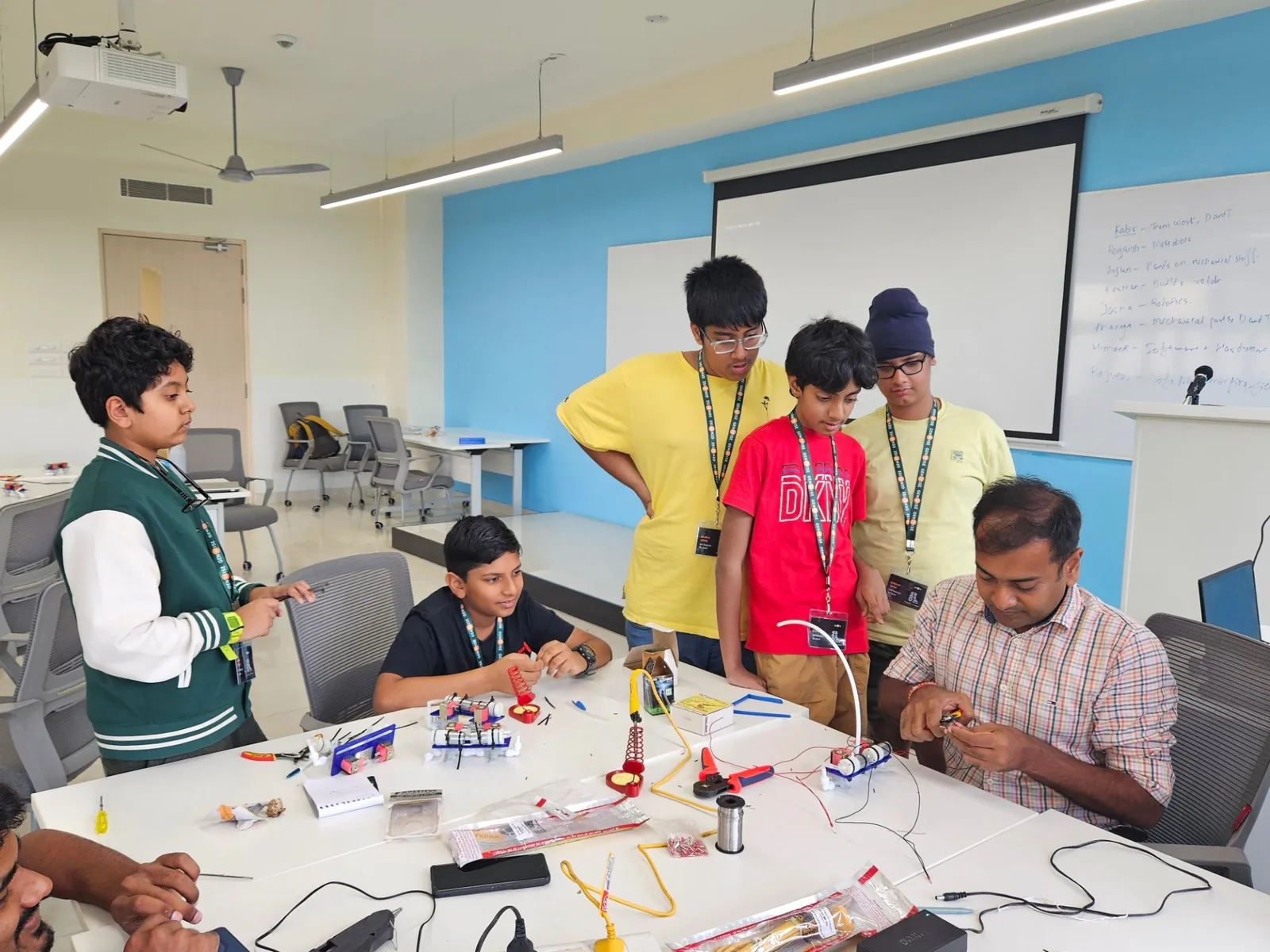
  2. Students gathered around a bench of electronics builds with their mentor, GSP'26

    Forces you can feel

    Pulleys and force diagrams, then a tensegrity table built in teams.

    • Tension, gravity, friction
    • Pulleys and force diagrams
    • Working with real tools
    • The floating table
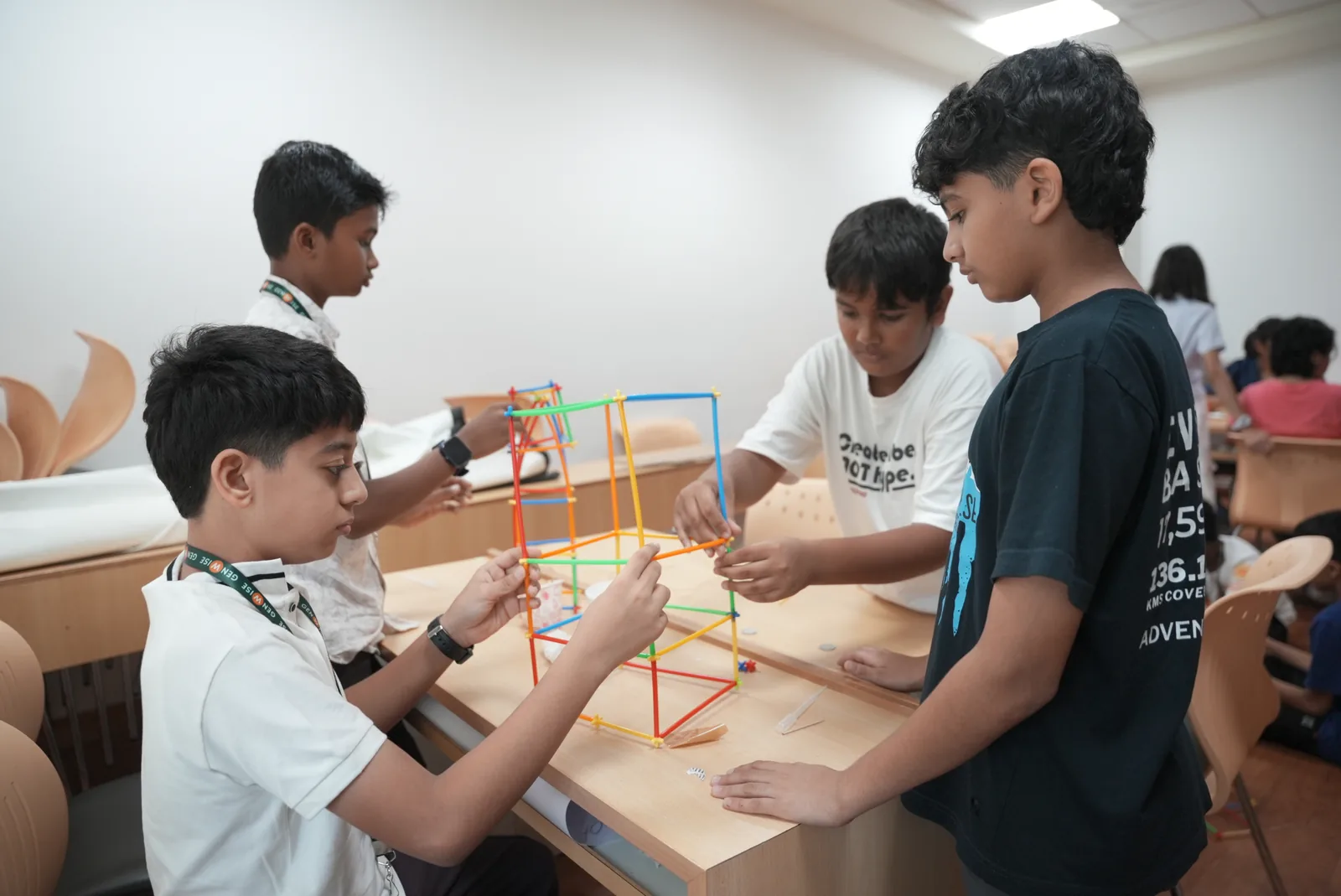
  3. Explorers building a tall structure at the desk, tools out, Build It, Break It, GSP'26

    Build your own

    Teams design and build a project of their own choosing.

    • Choose your own build
    • Plan as a team
    • Build, test, fix
    • What broke, what we changed
Questions to wrestle with
  • How can a bridge made of paper hold up a weight?
  • How does a table stand when its top is held up only by strings?
  • Why does a pulley that moves with the load make it feel lighter, and what do you pay for that?
Page two

How does this course help your child?

Innovative pedagogy

Every idea is felt before it's named: children load a bridge, pull a pulley and balance a table, then learn the law behind what happened.

Academic acceleration

Forces, Newton's laws and structures, met years before the textbook, through things they build themselves.

Cognitive skillsets

  • Observing closely
  • Testing ideas
  • Planning a build
  • Fixing what fails

Peer networks

Every structure is built in a team, so children learn to share tools, ideas and the credit.

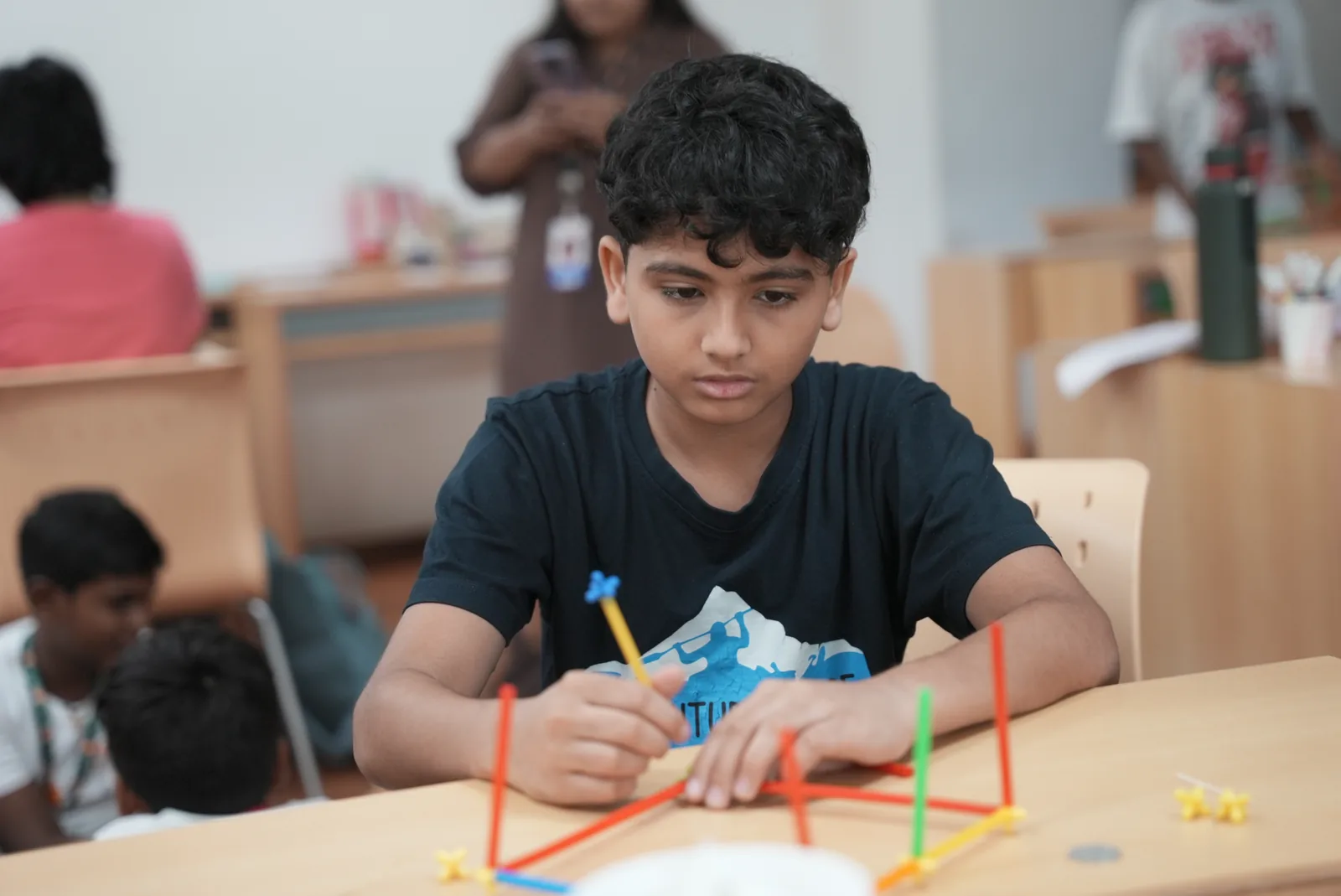
An Explorer joining straws into a cube frame at his desk, Build It, Break It, GSP'26
Four Explorers building a straw tower together, Build It, Break It, GSP'26
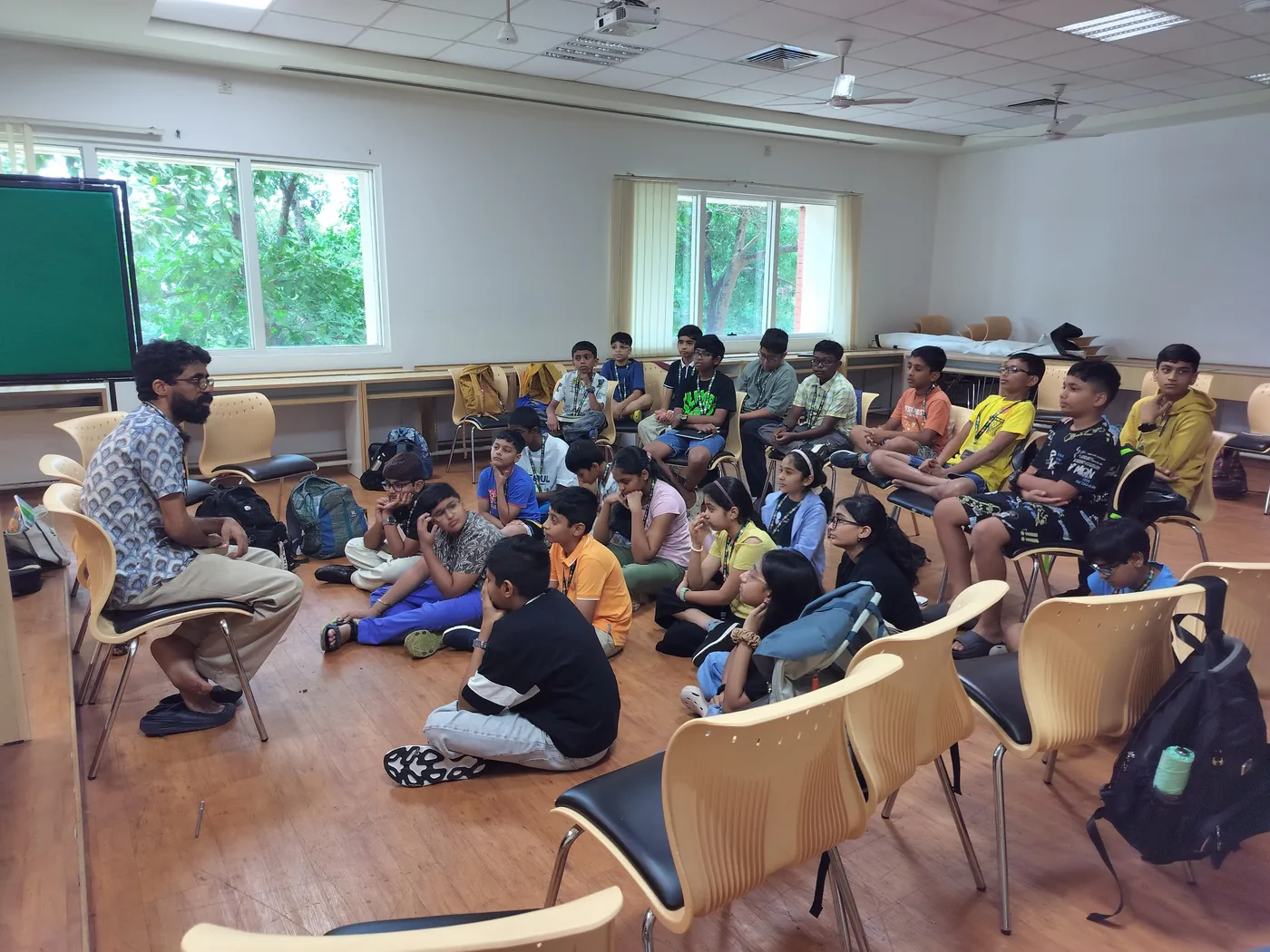
The class sitting in a circle for a discussion, Build It, Break It, GSP'26
It ends with

Each team's own structure or machine, tested at the open day, where they show what broke along the way and what they changed because of it.

May program · 16–29 May 2027 · MAHE Manipal

Every Explorer takes two courses, one week each. In May: this one and The Pleasure of Finding Things Out: Puzzles, Patterns and Play.

Like every GSP course: three hours each morning, hands-on afternoons, a real artifact at the open day, and one residential coach or teaching assistant for every five students. The full day, hour by hour

Prerequisites: None.

Download the two-page course sheet (PDF)

Sounds like your kid?

Apply and tell us Build It, Break It caught their eye — the call starts from there.

More from GW Explorers