Skip to content
GenWise

Course catalog · GW Wizards (Grades 8–11)

Train real models, then learn the harder skill: knowing when they're lying to you.

Not a prompt-typing course. Students get their hands into data and models — and into the judgment layer: evaluation, bias, failure modes. Taught in the era where using AI is easy and trusting it is the whole problem.

Last May: children trained image classifiers and built their own chatbots, and many put their projects on GitHub.
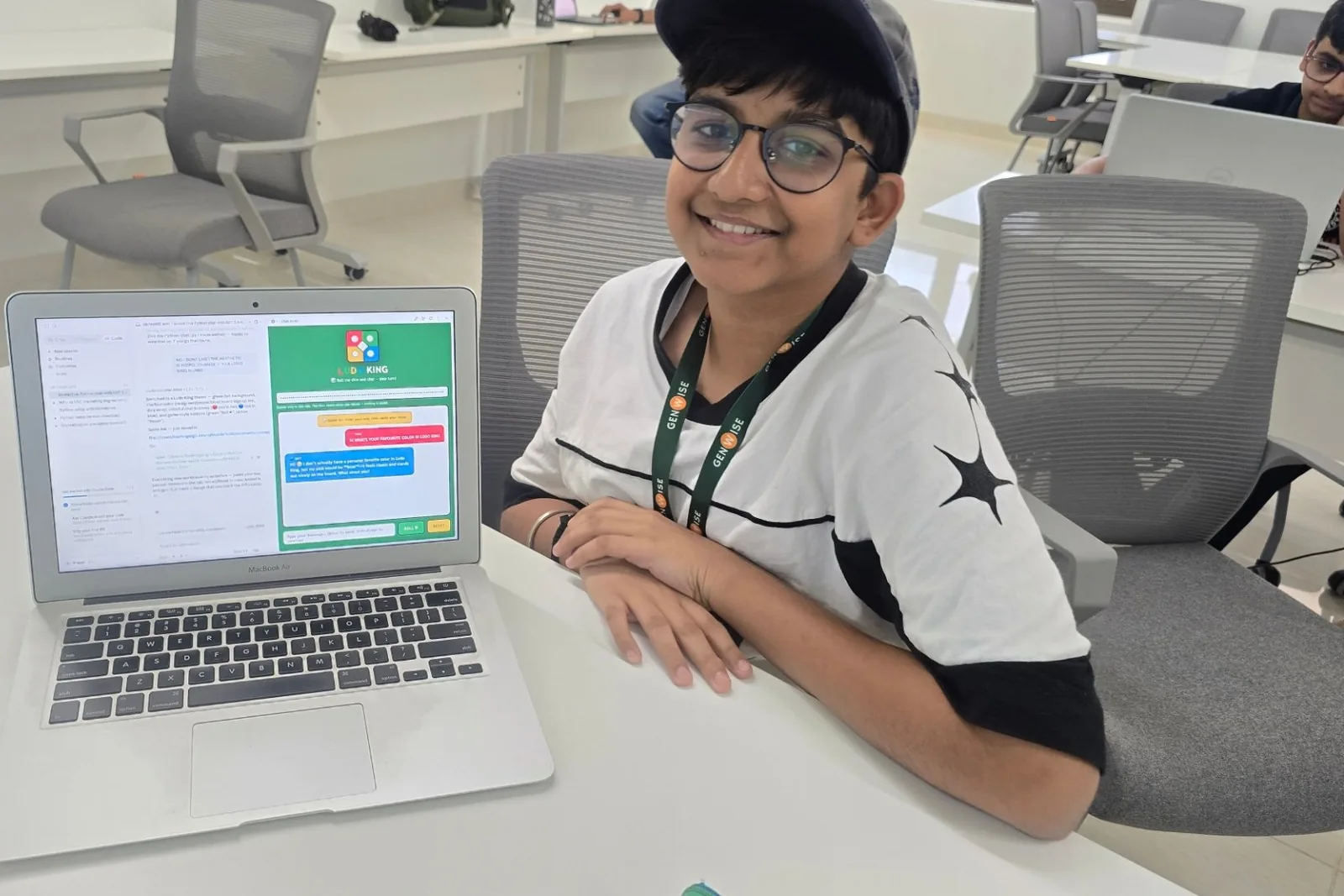
A student smiling beside his laptop, AI/ML course, GSP'26

Taught by Shiva, Professor, Mechanical Engineering, IIT Bombay; Sameer Mahajan, Independent AI adviser (Siemens Digital Industries Software) · B.Tech CS, IIT Bombay · MS CS, Georgia Tech · 9 US patents. Meet all the mentors

Needed: A laptop; paid ChatGPT/Claude access (details on registration)

The course, in a minute

₹1,70,000 ₹2,10,000, GST included. Early-bird till 31 Dec 2026.

9–29 May 2027.

Free · 20 questions · 35 minutes

Pay ₹40,000 to hold a seat. Change your mind until 28 February 2027 and all of it comes back. The refund terms

FacilitatorShiva & Sameer Mahajan
Duration3 weeks
Teaching hours90+
GradeGrades 8–11 (as of 2027–28)
NeededA laptop; paid ChatGPT/Claude access (details on registration)

What you will do

Three weeks from your first trained model to a working AI project.

Week by week

  1. Two students working on a laptop together, Code the Future, GSP'26

    Machine learning from data

    Train models on real data (IPL scores, movies, Bengaluru's weather), then build an image classifier and test it live on a webcam.

    • Features, labels and predictions
    • Real data, real predictions
    • Decision trees as twenty questions
    • Your own image classifier
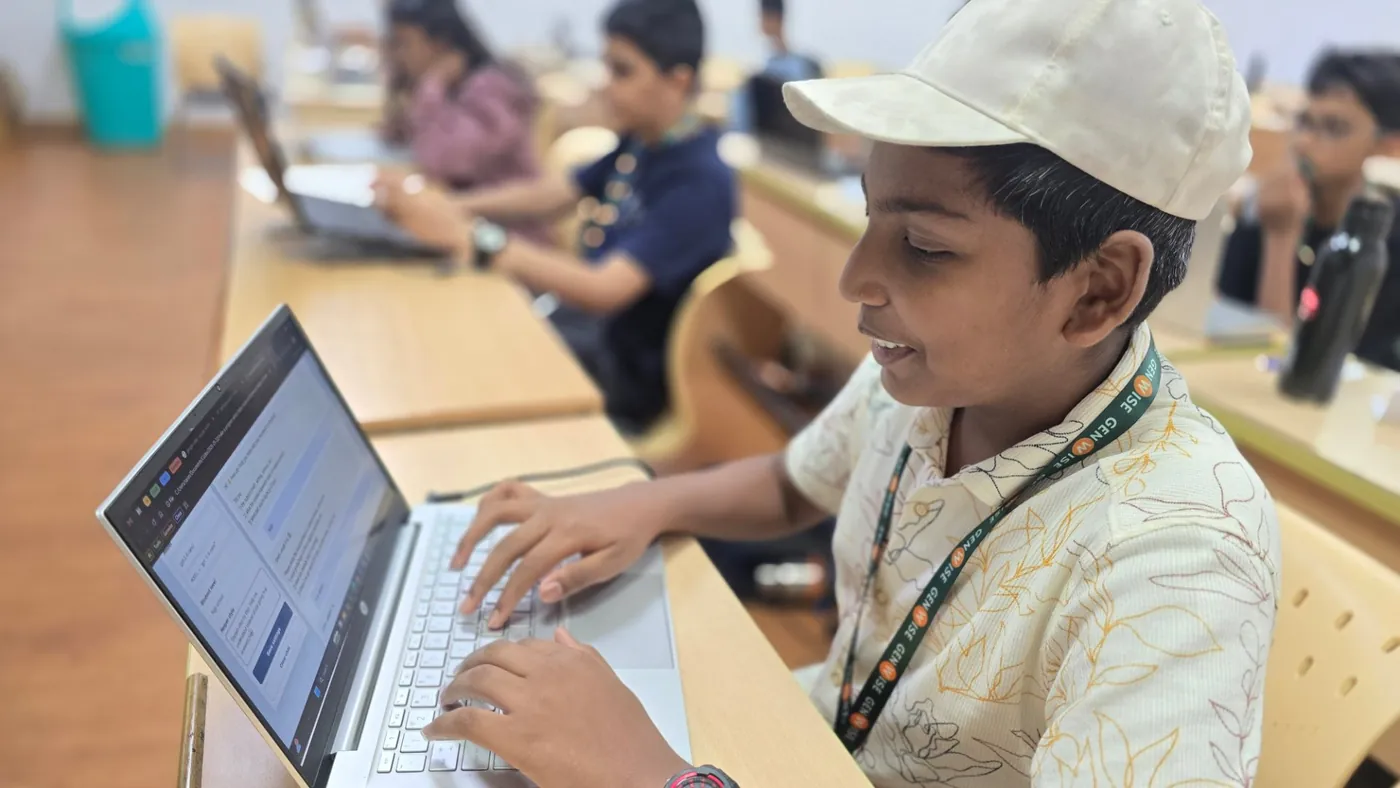
  2. A student coding on his laptop, AI/ML course, GSP'26

    Generative AI and agents

    How ChatGPT is actually built, how AI can answer from your own documents, and how teams of AI agents work together.

    • How large language models are made
    • AI on your own documents
    • Word embeddings, by hand
    • Build a team of AI agents
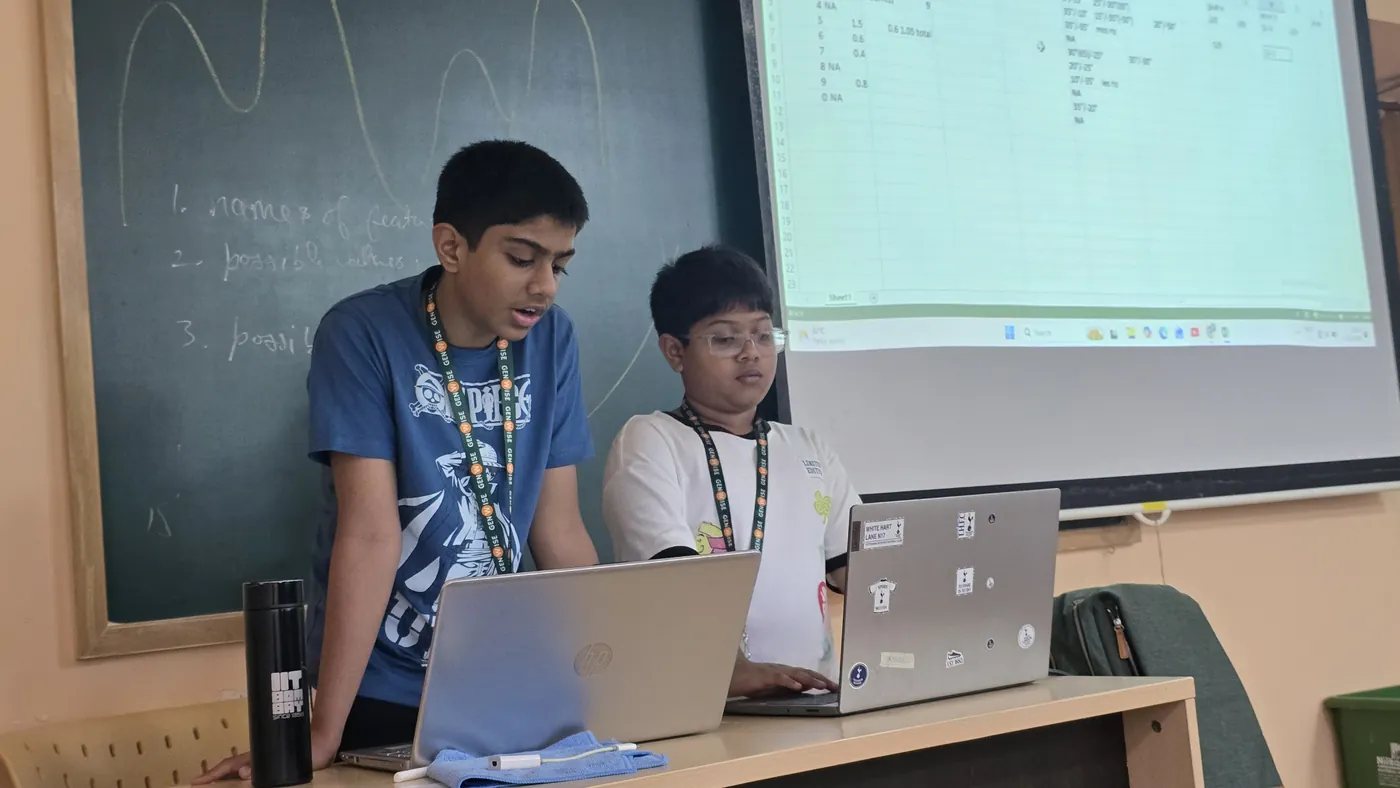
  3. Two students presenting their notebook on the big screen, AI/ML course, GSP'26

    Ship it

    Build a real AI project with a working backend, test it against honest benchmarks, and demonstrate it at the showcase.

    • How transformers pay attention
    • Code, version control, backends
    • Benchmarks and honest testing
    • Final project, shipped
Questions to wrestle with
  • Your model is 95% accurate. Why might it still be useless?
  • Can you make a classifier fail on purpose — and then fix it?
  • Where does training data come from, and who does it leave out?
Page two

How does this course help your child?

Innovative pedagogy

Hands on the keyboard from the first hour; the concept follows the experiment. Students use frontier tools as engineers do — critically, with an eye on cost, failure modes and evaluation — and the class's own transcripts become its dataset.

Academic acceleration

The working vocabulary and habits of an AI engineer — data, models, evaluation, agents, deployment — years before a computer-science degree would offer them.

Cognitive skillsets

  • Computational thinking
  • Evaluating a model honestly
  • Scoping and shipping a project
  • Judgment about AI: cost, bias, failure

Peer networks

Debugging is communal — one student's fix becomes everyone's — and the final week runs like a small studio, with critique from the room.

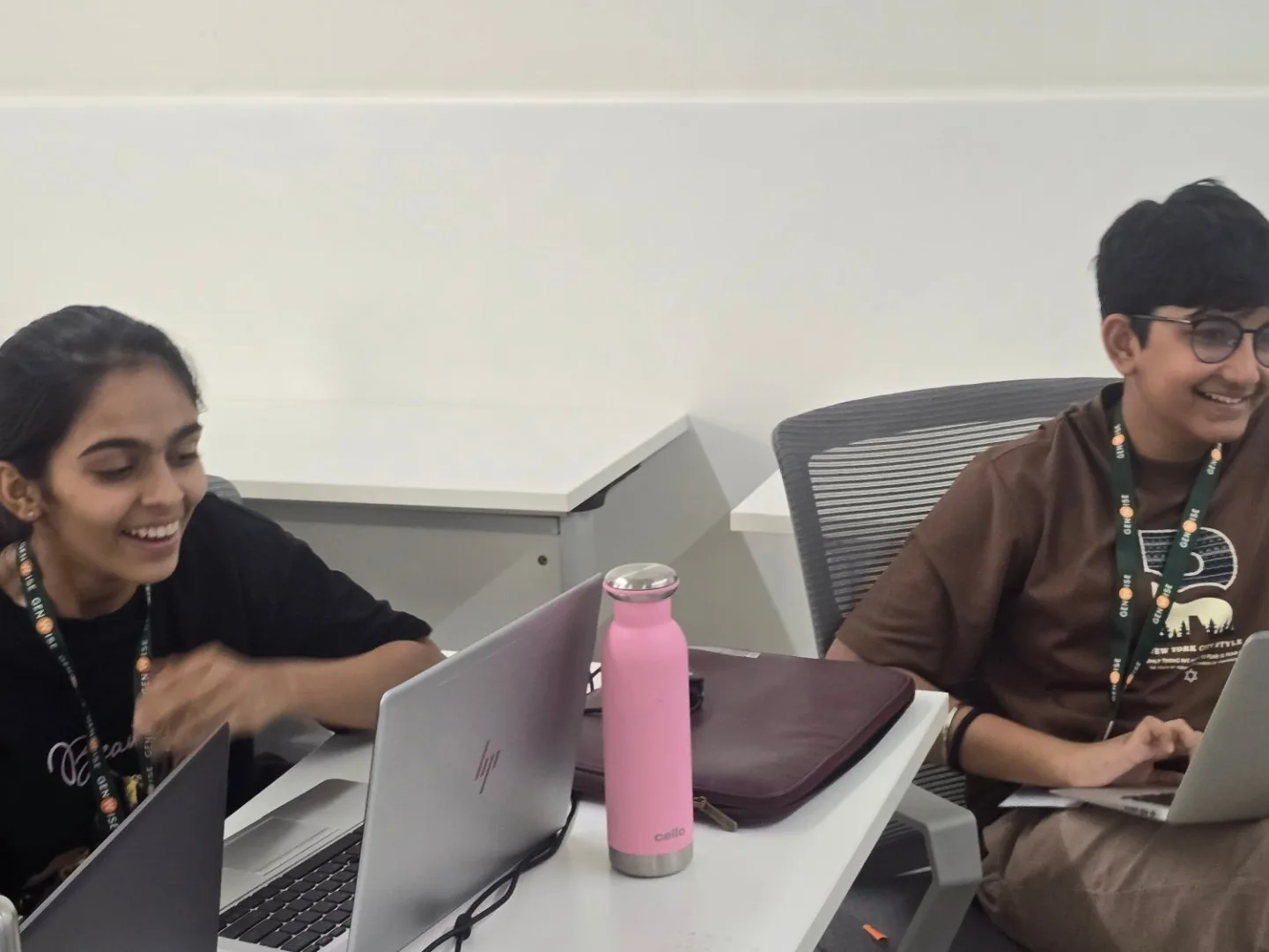
Two students laughing as they code side by side, AI/ML course, GSP'26
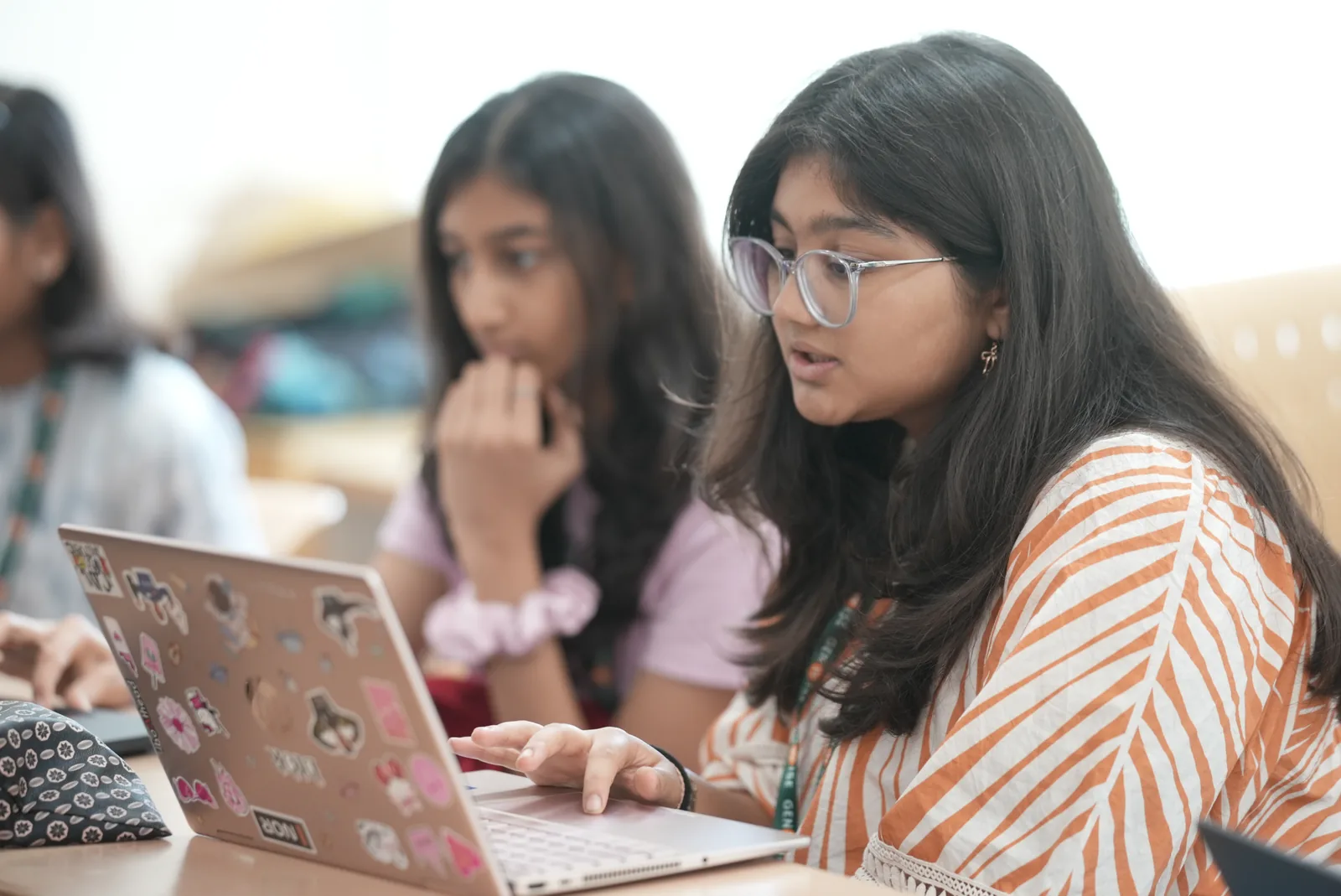
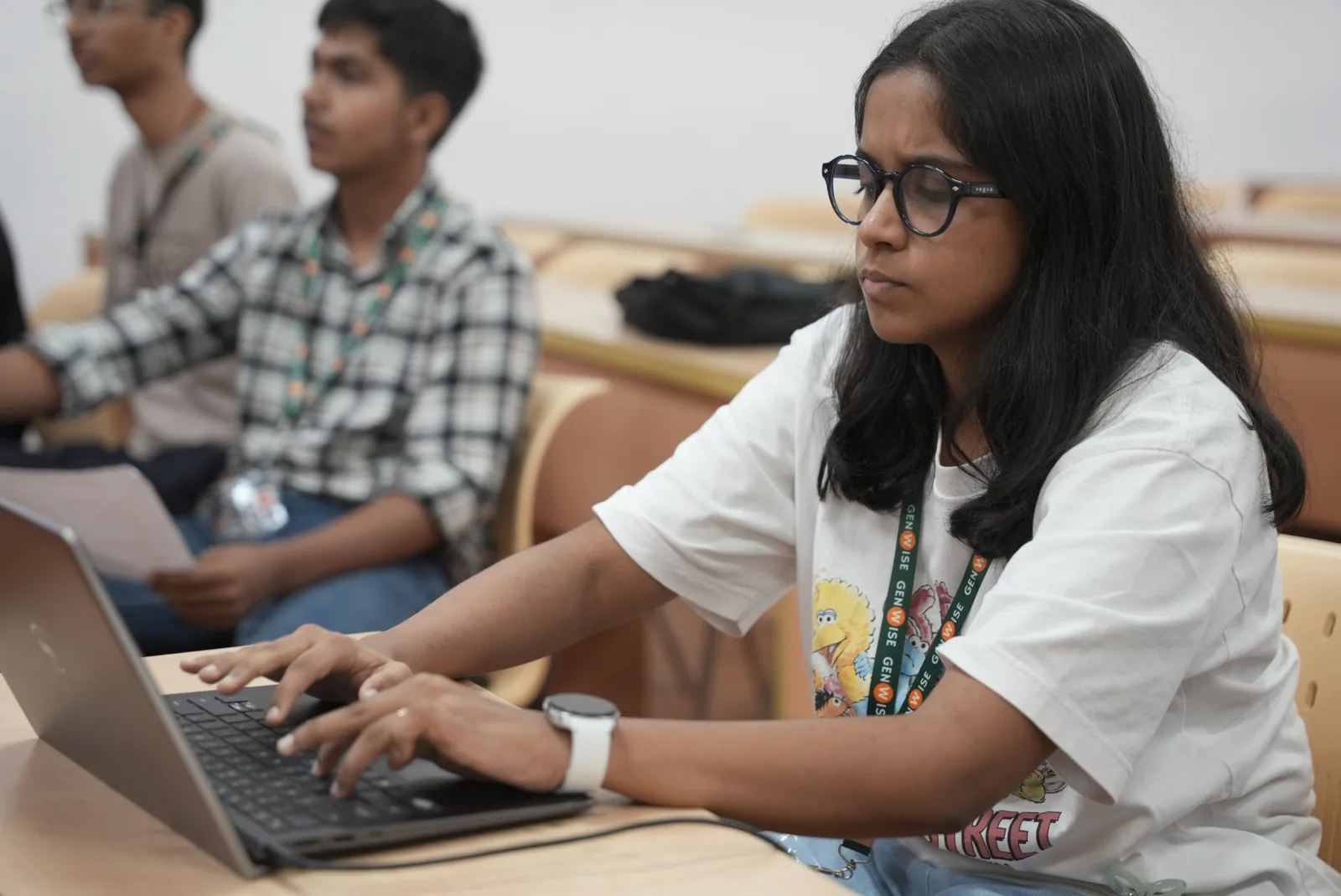
A student typing her code, classmates working behind her, Code the Future, GSP'26
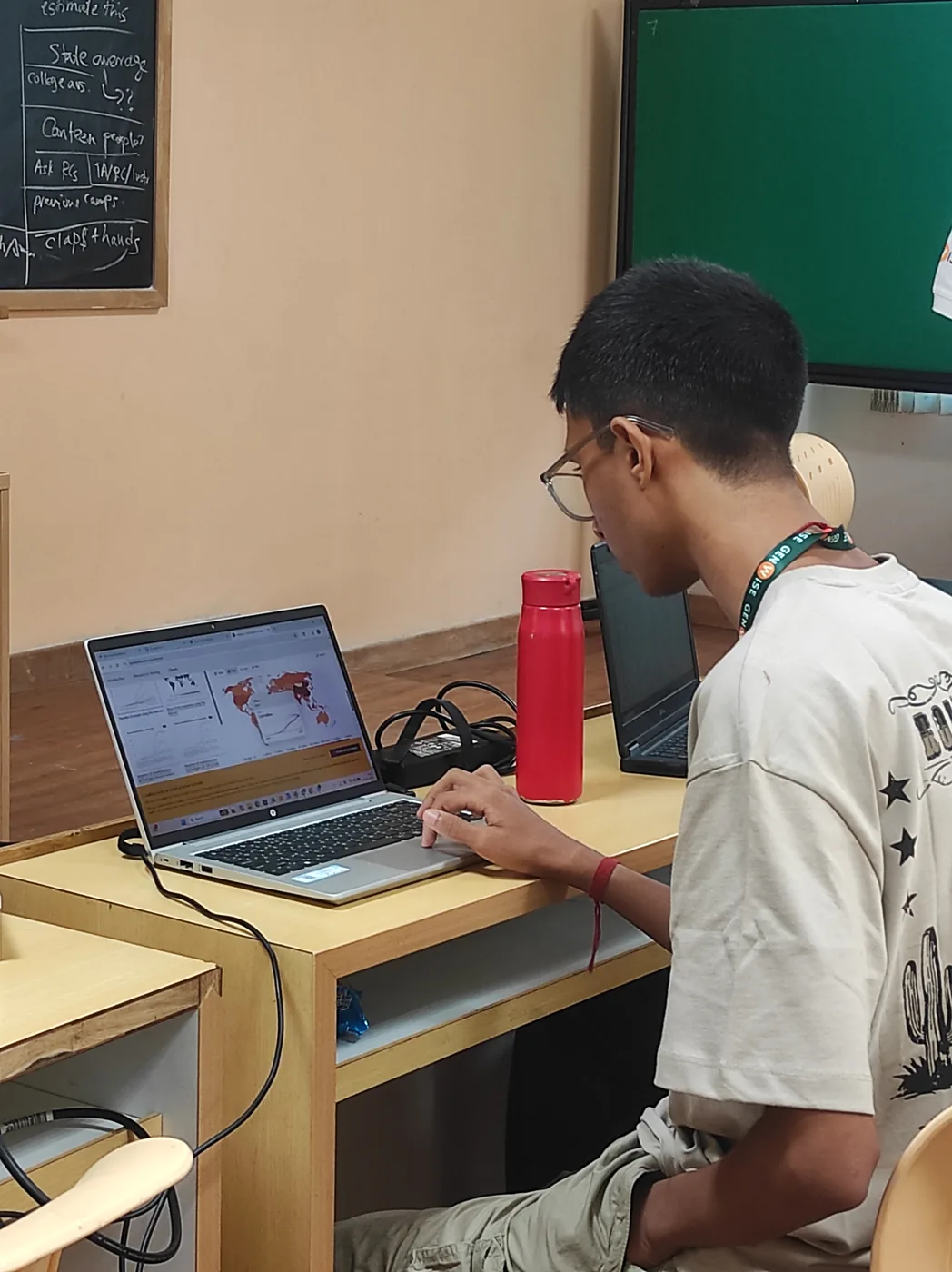
A student at work on his laptop mid-session, the AI and data science course, GSP'26
It ends with

A working AI project with a real backend, demonstrated at the open day.

May program · 9–29 May 2027 · MAHE Manipal

Like every GSP course: three hours each morning, hands-on afternoons, a real artifact at the open day, and one residential coach or teaching assistant for every five students. The full day, hour by hour

Download the two-page course sheet (PDF)

Sounds like your kid?

Apply and tell us Code the Future caught their eye — the call starts from there.

More from GW Wizards