Skip to content
GenWise

Wall of Fame · GSP'26

Built here.
By children.

Not worksheets — things that work. Every exhibit on this wall comes from last summer's staff notes, written down the day it happened.

40
exhibits
12
GSP'26 courses
2
editions
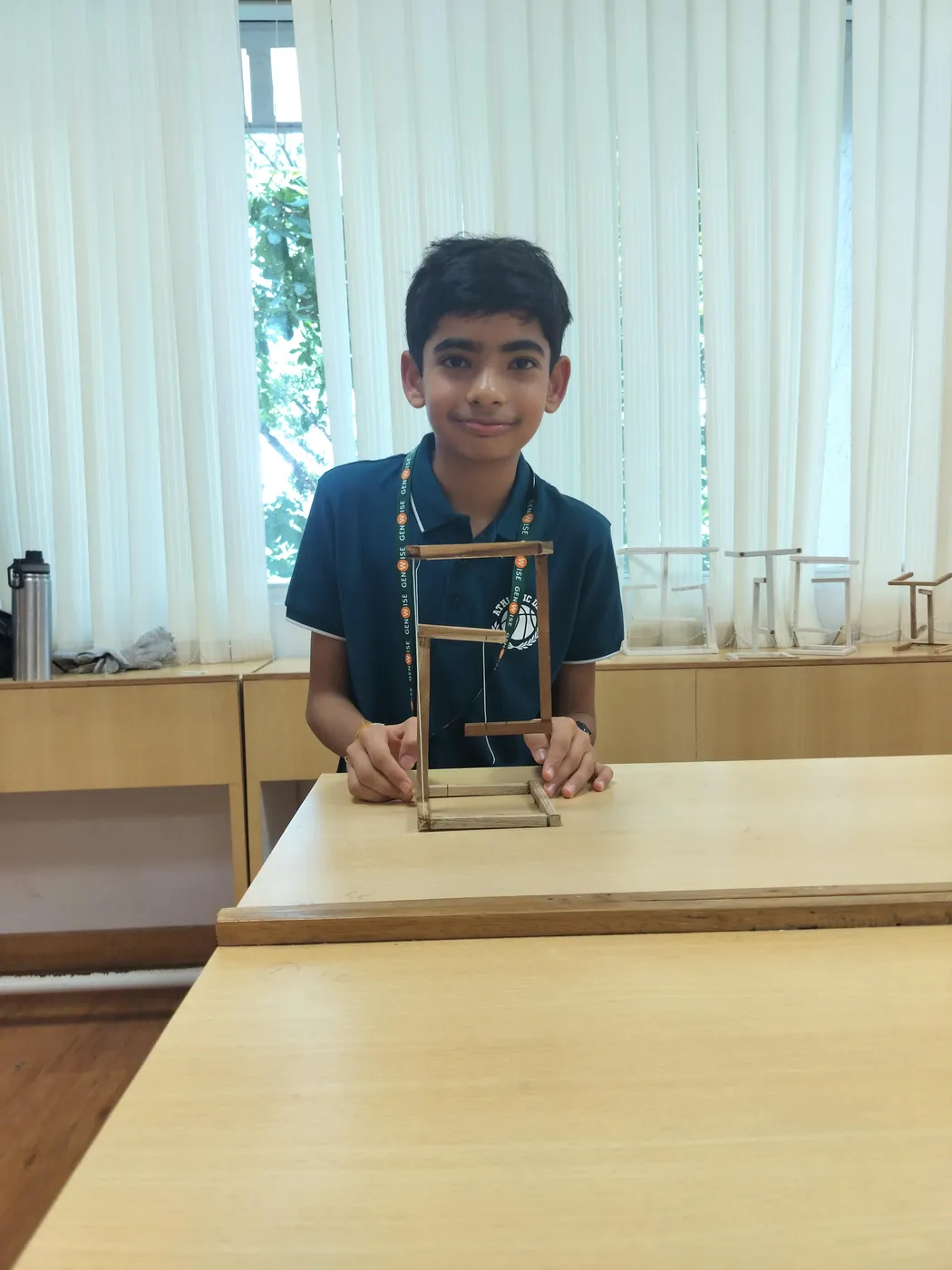
A student with the wooden frame he built, Build It, Break It, GSP'26

Exhibit No. 19 · Build It, Break It: Bridges, Pulleys and Floating Tables · May 2026
Tensegrity tables that stand on tension

Groups agreed their own dimensions, cut wood and plastic with saws and clamps, and built tensegrity tables. After a struggle to make them stand, every group finished, one building theirs bigger and wider.

The whole wall

Every exhibit, by course

Switch to the index for the full list at a glance. Exhibits from a course that runs in 2027 link to its page; courses marked GSP'26 only are not running next summer.

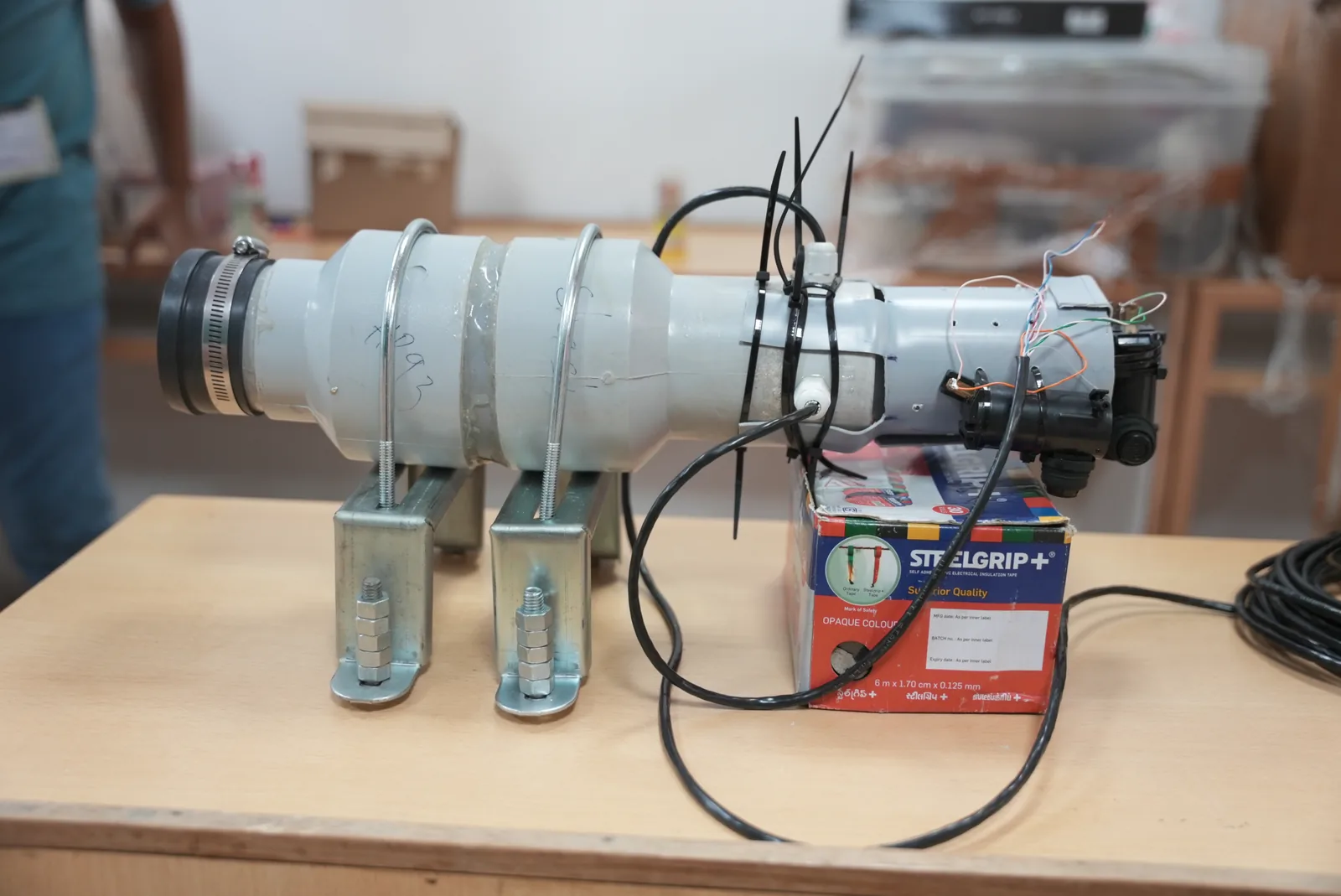
  • A finished PVC submarine with its thrusters and wired remote, open day, GSP'26

    No. 01

    Hand-built submarines that dive, surface and steer

    Dive Deep: Build Your Own Submarine (GSP'26 only) · May 2026 · Each student

    Each student built a submarine from PVC pipe with ballast tanks, inflate/deflate pumps, thrusters and a wired remote, sealing leaks through repeated pressure and water tests. By 28 May all but one were complete.
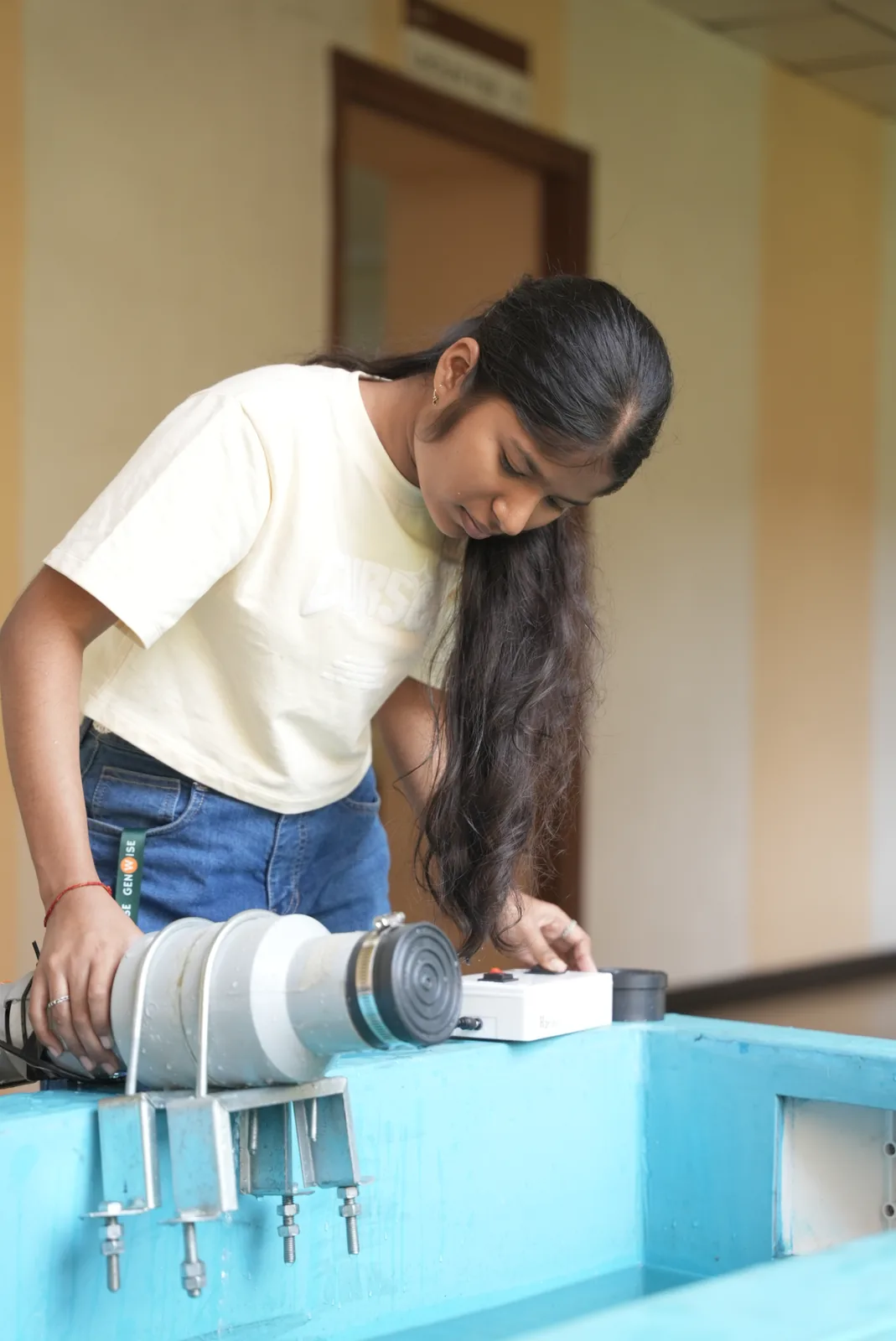
  • A student at the test tank with her wet PVC submarine and its remote, Dive Deep, GSP'26

    No. 02

    A submarine that passed every test

    Dive Deep: Build Your Own Submarine (GSP'26 only) · May 2026 · One student

    One finished submarine was fully tested in the water: inflation, deflation and all three thrusters worked. It was the first in the class to be finished.

  • Exhibit

    03

    A soft vine robot that grows and steers

    Soft Robotics (GSP'26 only) · June 2026 · One student

    A tube that grows out long and straight when inflated and retracts when it isn't. Its builder added a fourth air module for reach, and by the defence day it steered under code they wrote themselves.

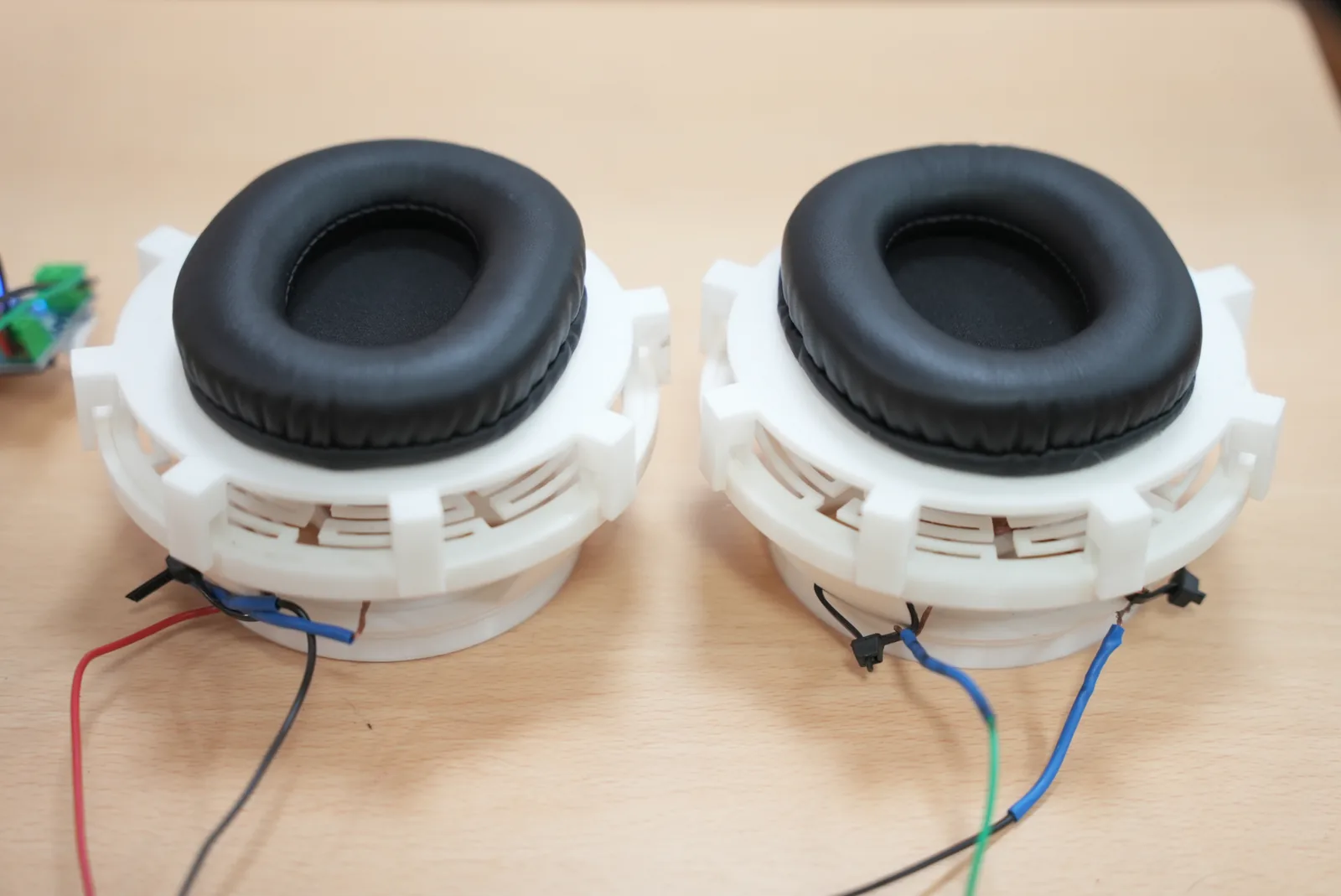
  • Two hand-built speakers in 3D-printed housings, wired up for open day, GSP'26

    No. 04

    Homemade speakers, tuned until they sang

    Physics of Sound (GSP'26 only) · May 2026 · One student

    Students built speakers from coils, magnets and diaphragms, then iterated. One got the loudest sound by re-seating the coil, a big paper-spring cone gave deeper bass, and fixing the magnet to a table made the table resonate.

  • The folded-paper bridge held up in students' hands, Build It, Break It, GSP'26

    No. 05

    A paper bridge that held over 10 kg

    Build It, Break It: Bridges, Pulleys and Floating Tables · May 2026 · A team

    Teams built bridges from paper straws and folded A4 sheets and tested them with weights. One team's design, planned by a single student, carried more than 10 kg.

    See the course
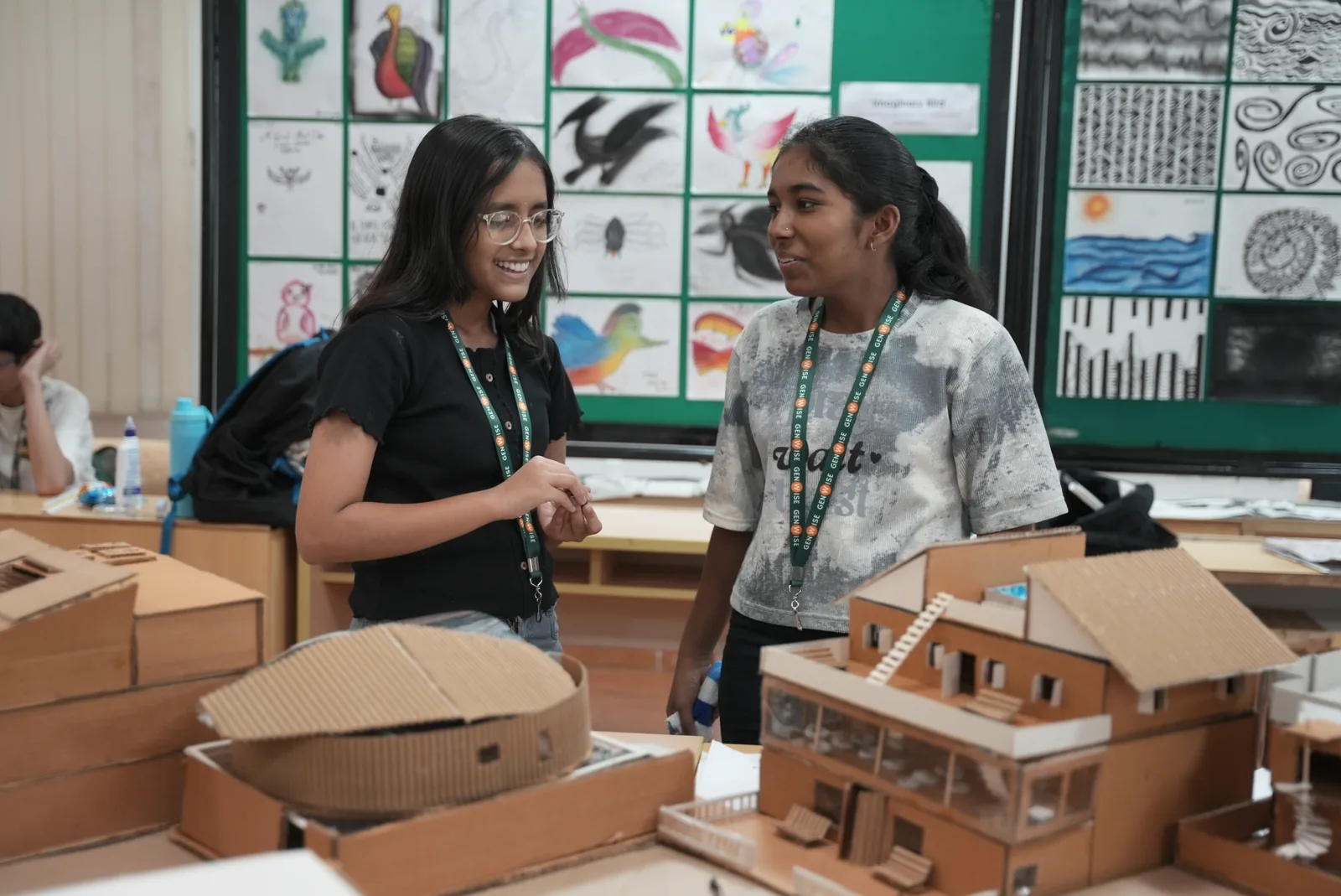
  • Two students laughing beside their finished card buildings at open day, Architecture, GSP'26

    No. 06

    Retreat for the Self: a building each

    Blueprints & Beyond: Exploring Design & Architecture · May 2026 · Each student
    Each student designed a building for a shared site: a library, spa, gym, dance studio, cinema and more. They measured real rooms, drew ground and first-floor plans and built models, skipping breaks to finish.

    See the course
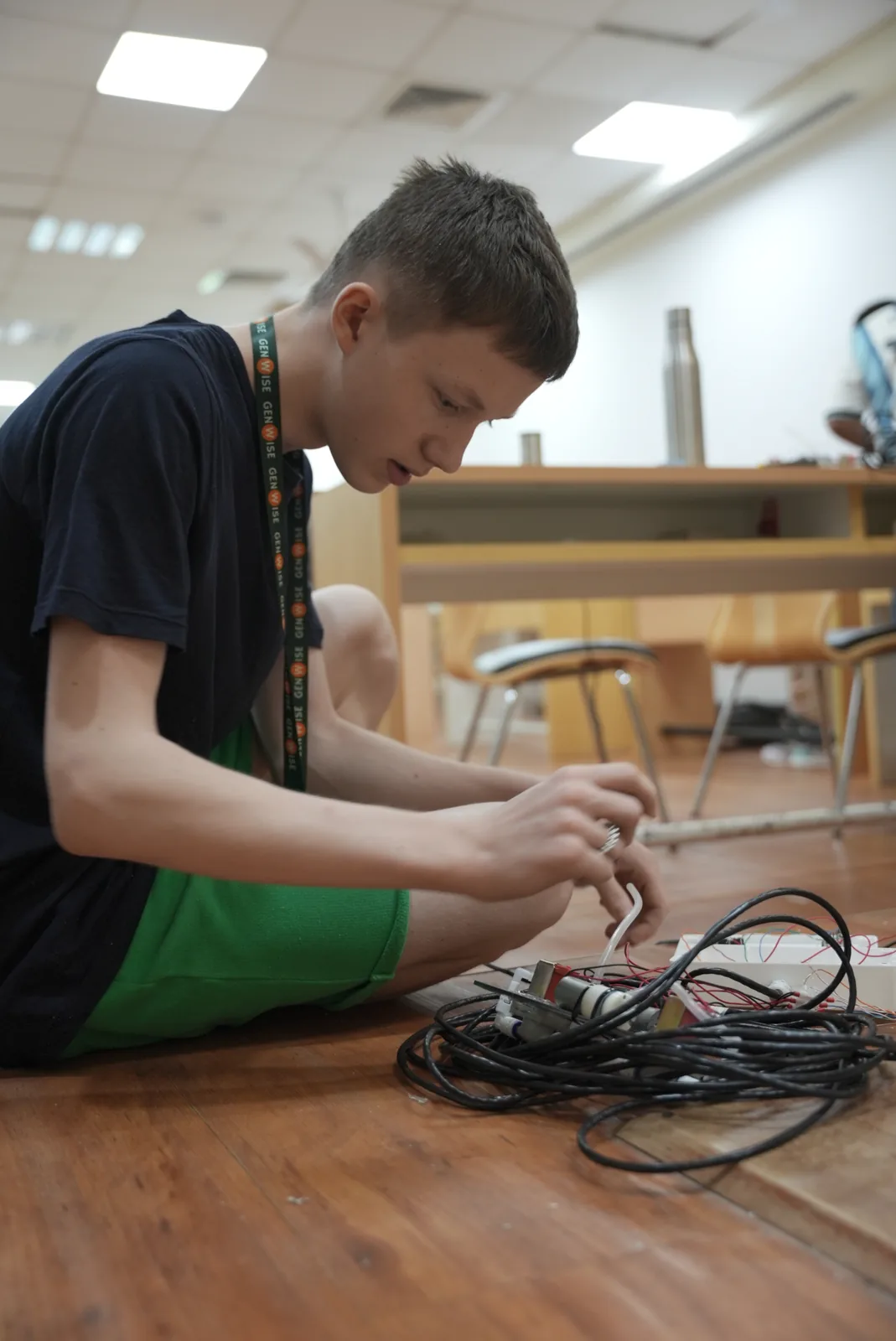
  • A student on the floor wiring a submarine remote into a long coil of cable, GSP'26

    No. 07

    Submarine remotes wired through 120 m of cable

    Dive Deep: Build Your Own Submarine (GSP'26 only) · May 2026 · The whole class

    The class cut 120 metres of CAT6 cable into ten equal lengths and tested every wire with a multimeter. Nearly all drew the full remote circuit diagram on their own, then built the remotes.

  • Exhibit

    08

    An assistive soft hand for failing grip

    Soft Robotics (GSP'26 only) · June 2026 · One student

    Designed for an older person whose grip has weakened, the hand used a fourth air module, with 3D-printed parts inside a glove being tested to make the whole hand move as the actuators inflate.

  • Exhibit

    09

    Eight soft machines, defended to an engineer

    Soft Robotics (GSP'26 only) · June 2026 · One student

    From one shared kit the class built eight machines, including a crawling caterpillar, an inflatable dancing man, a helix and a spinning soft 'driller', then each defended why theirs should exist to the course engineer.

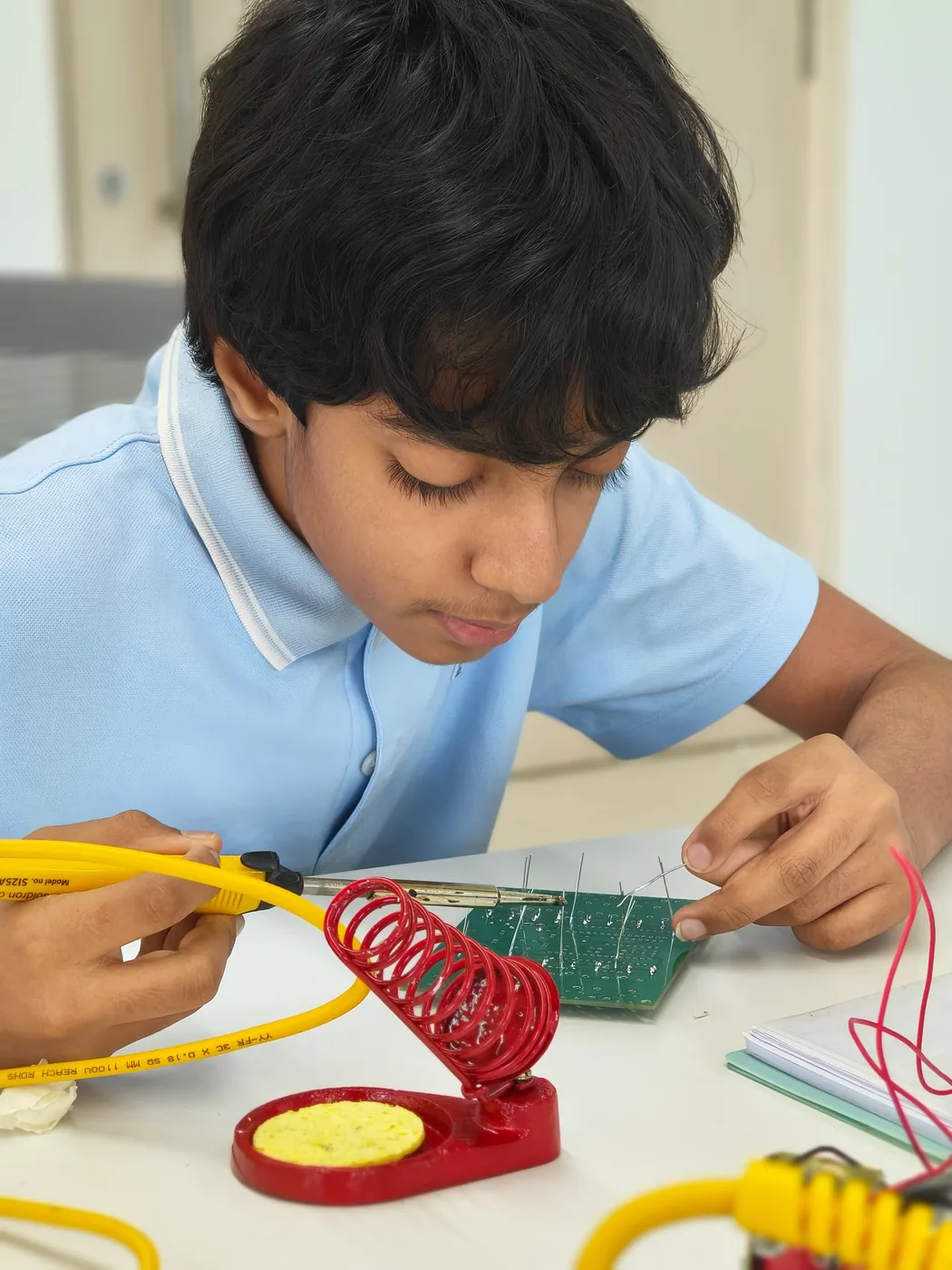
  • A student soldering his board at the bench, Soft Robotics, GSP'26

    No. 10

    Air modules that run their own code

    Soft Robotics (GSP'26 only) · June 2026 · Each student

    On day one every student built a three-module inflate/deflate air set (two motors and a valve). By day three the kits were running six relays from an ESP32 on timing code each student wrote.

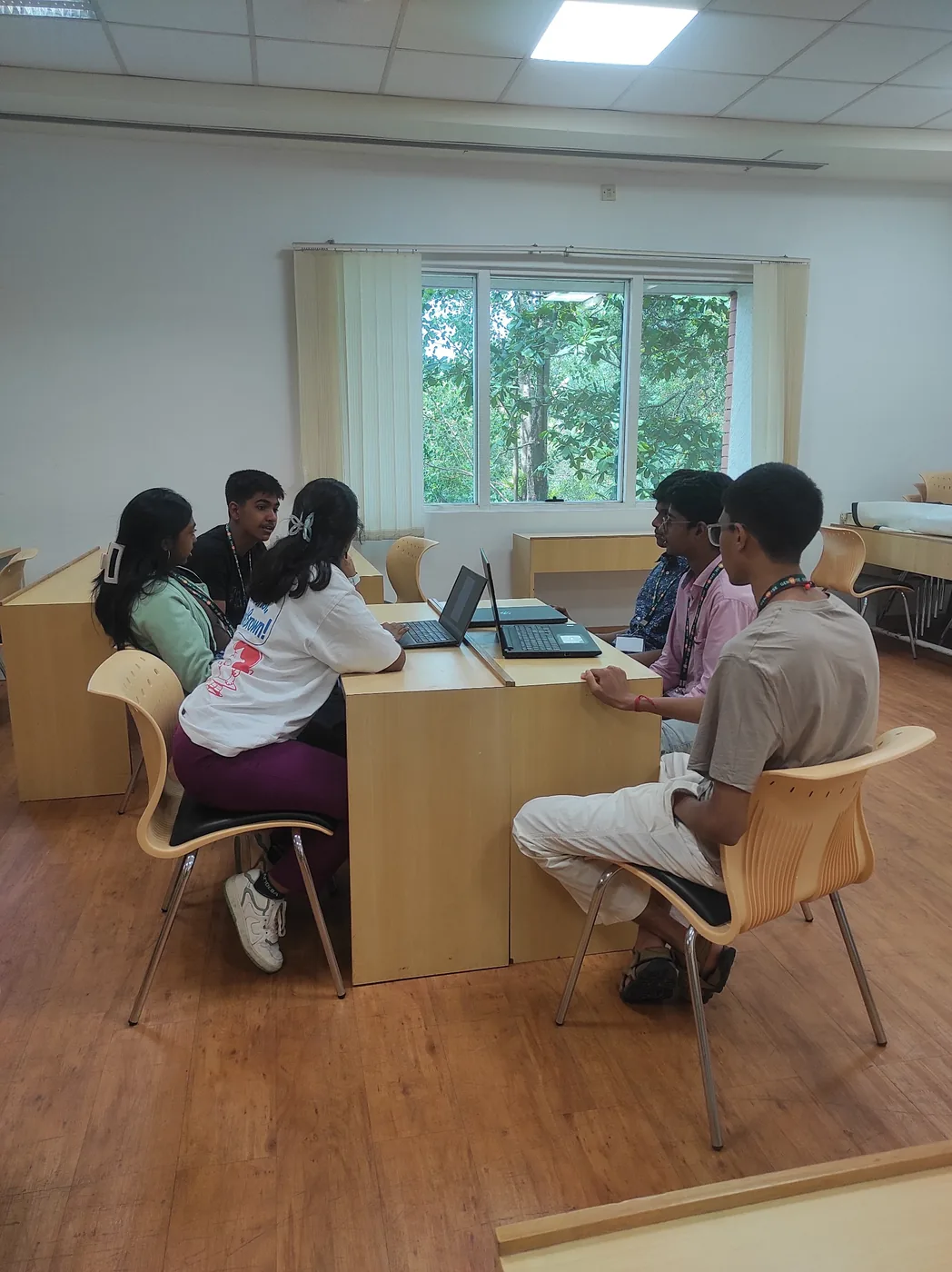
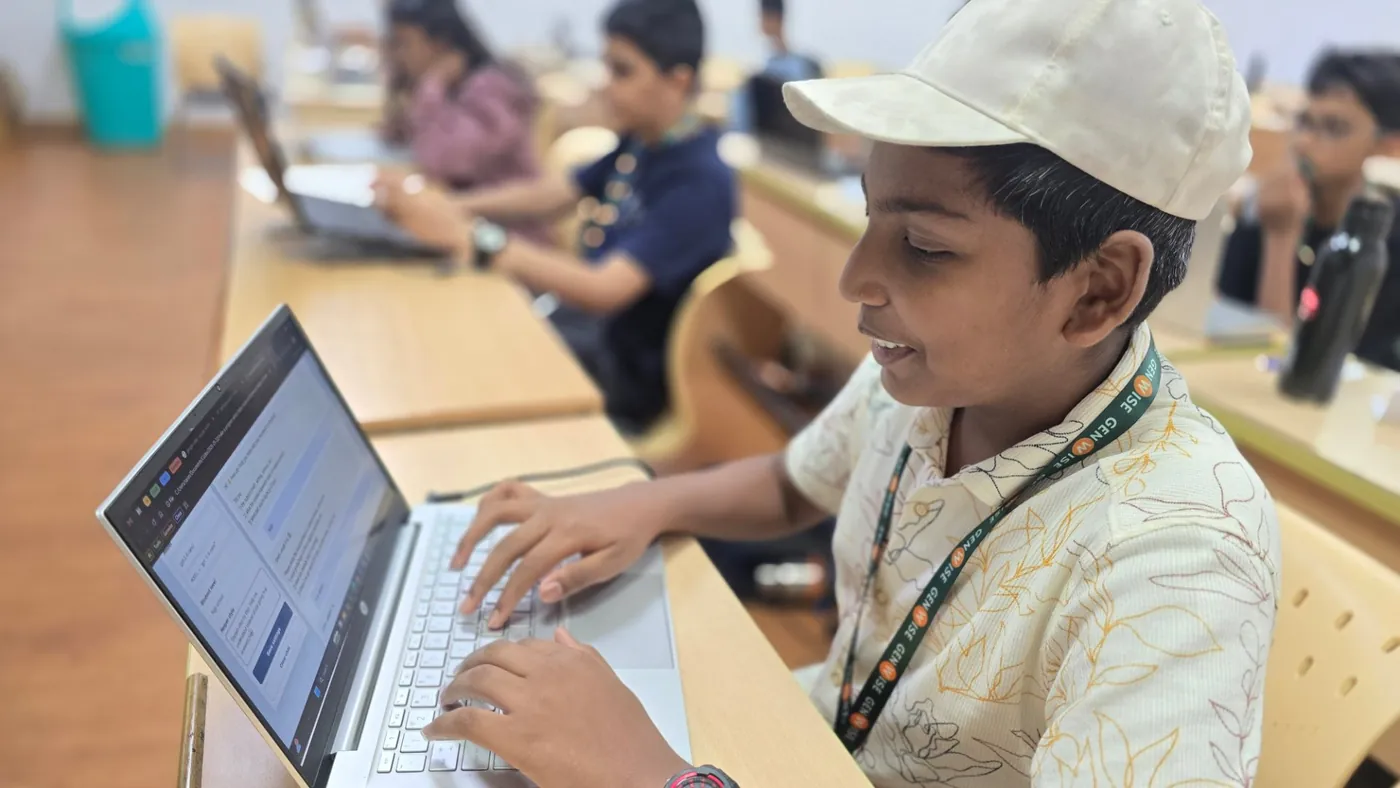
  • Students working in pairs at their laptops, AI/ML course, GSP'26

    No. 11

    Train your model, break theirs

    Code the Future: AI & Machine Learning Adventure · May 2026 · A team
    Teams of three collected data to train their own image classifier and tried to break the other teams' models. It ended in a four-way tie, with every team collecting varied data and planning for edge cases.

    See the course
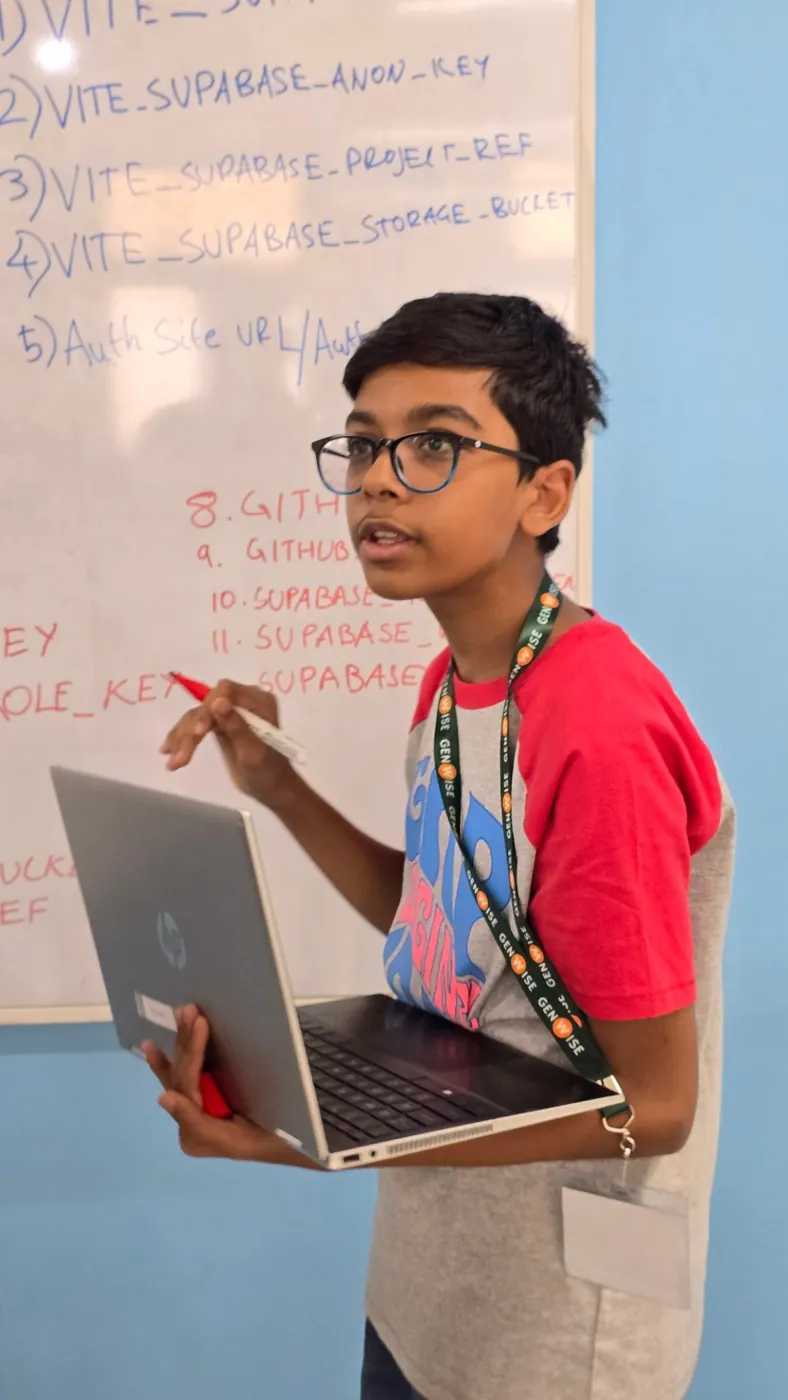
  • A student presenting at the whiteboard with his laptop in hand, AI/ML course, GSP'26

    No. 12

    A class resource-sharing app on a real database

    Code the Future: AI & Machine Learning Adventure · June 2026 · One student

    June students built resource-sharing apps with AI coding agents, then moved them onto a shared Supabase database. The most complete one was used to share the class transcript.

    See the course
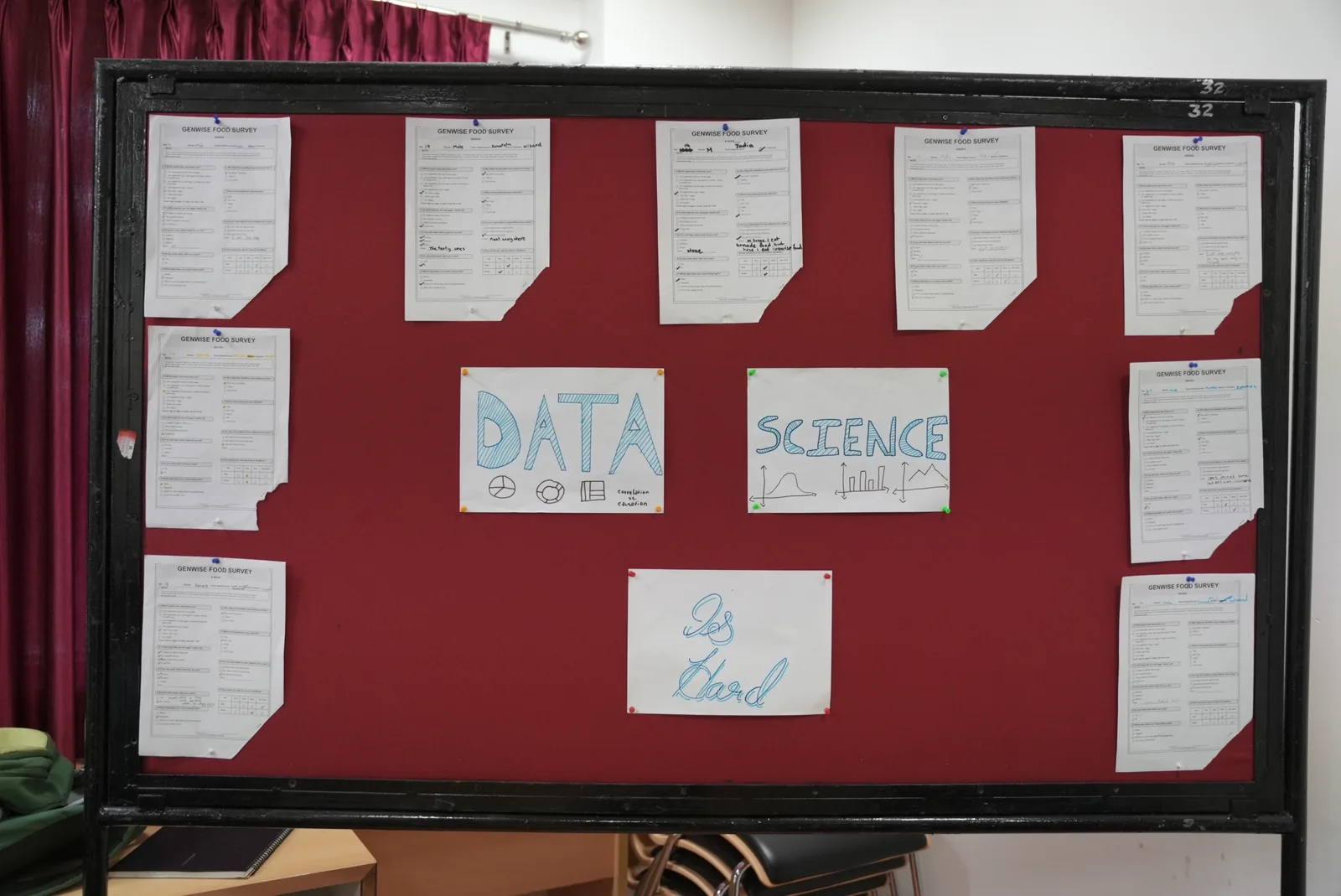
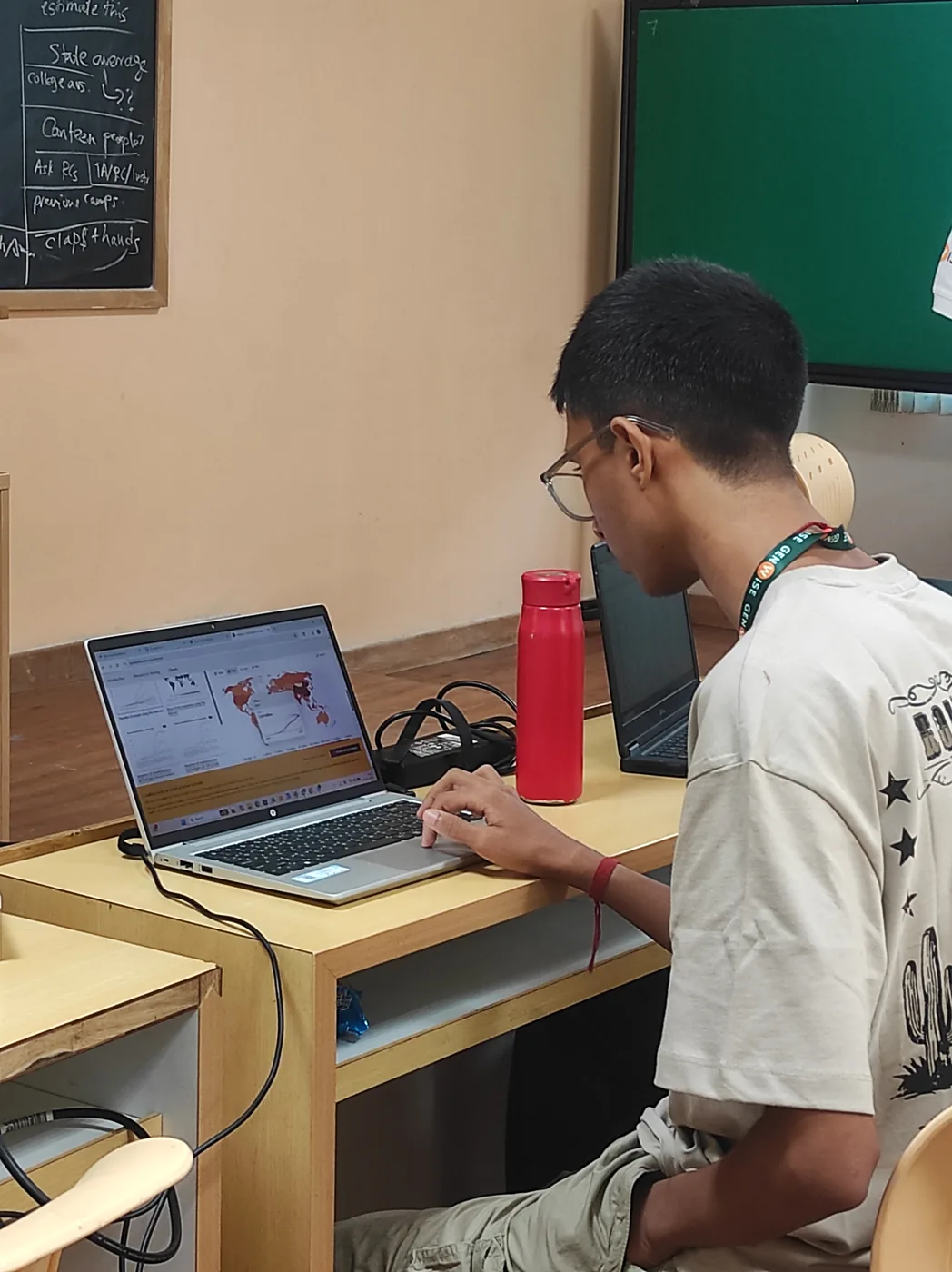
  • The Data Science open-day board: the class's filled-in GenWise Food Survey forms pinned around "Data Science", GSP'26

    No. 13

    A campus food survey, run end to end

    Data Science (GSP'26 only) · May 2026 · The whole class

    Data science students wrote and refined survey questions, printed the forms, compiled and analysed the responses, wrote a combined report on the food data and presented projects at Open Day.

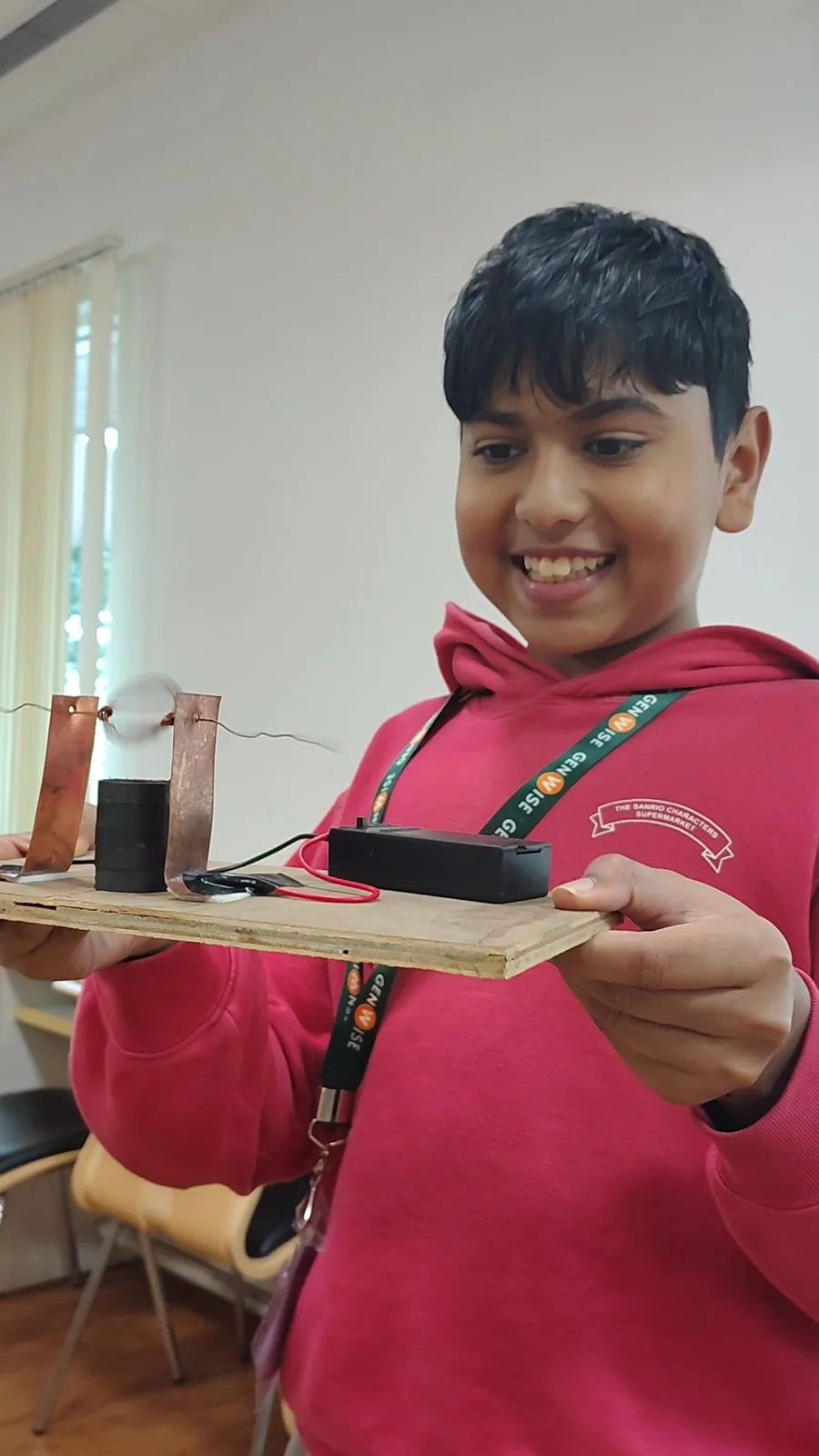
  • A student grinning at the DC motor he built on a wooden base, coil spinning, Two Feet of Science, GSP'26

    No. 14

    Electric motors built from scratch

    Two Feet of Science: Walk Like a Scientist · May 2026 · One student
    From wire coils, magnets and a power source, students built their own DC motors. At first none would spin; after rounds of scraping wires, swapping magnets and adjusting contacts, several ran by day's end.

    See the course
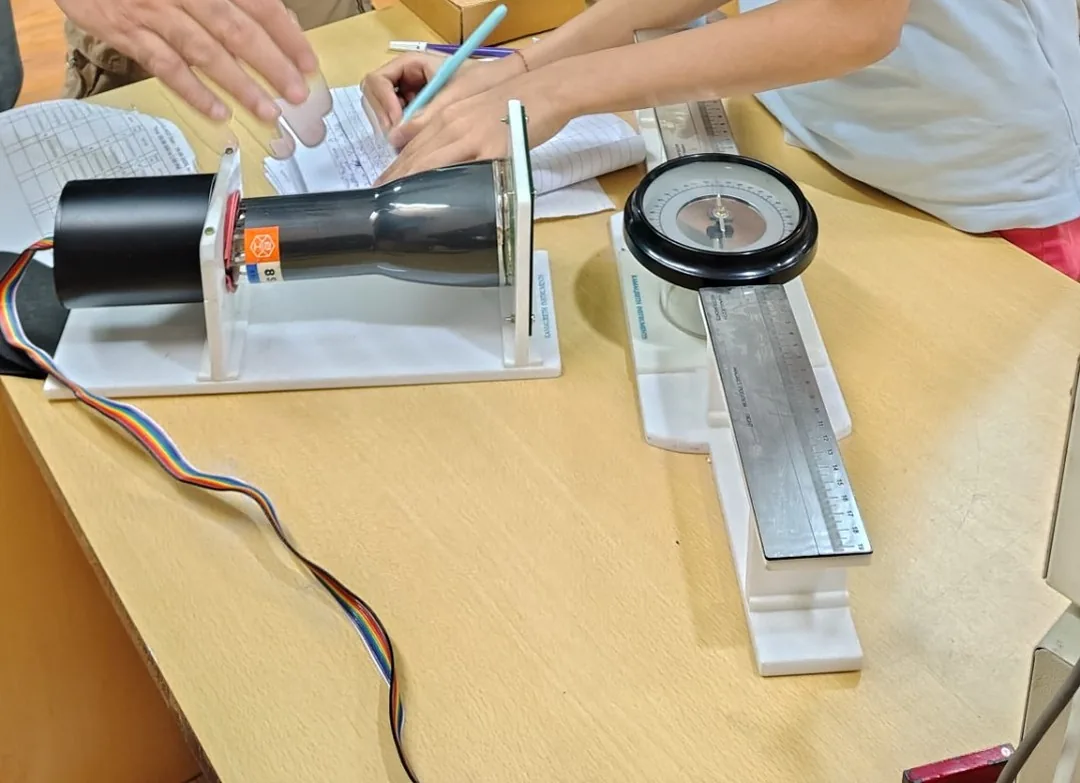
  • The electron-beam tube, compass and ruler, with hands writing down readings, Two Feet of Science, GSP'26

    No. 15

    Weighing the electron's charge-to-mass ratio

    Two Feet of Science: Walk Like a Scientist · May 2026 · The whole class

    The class worked out the charge-to-mass ratio of the electron from their own lab readings. One student built a shared spreadsheet that logged everyone's raw readings and calculated the results for the whole class automatically.

    See the course
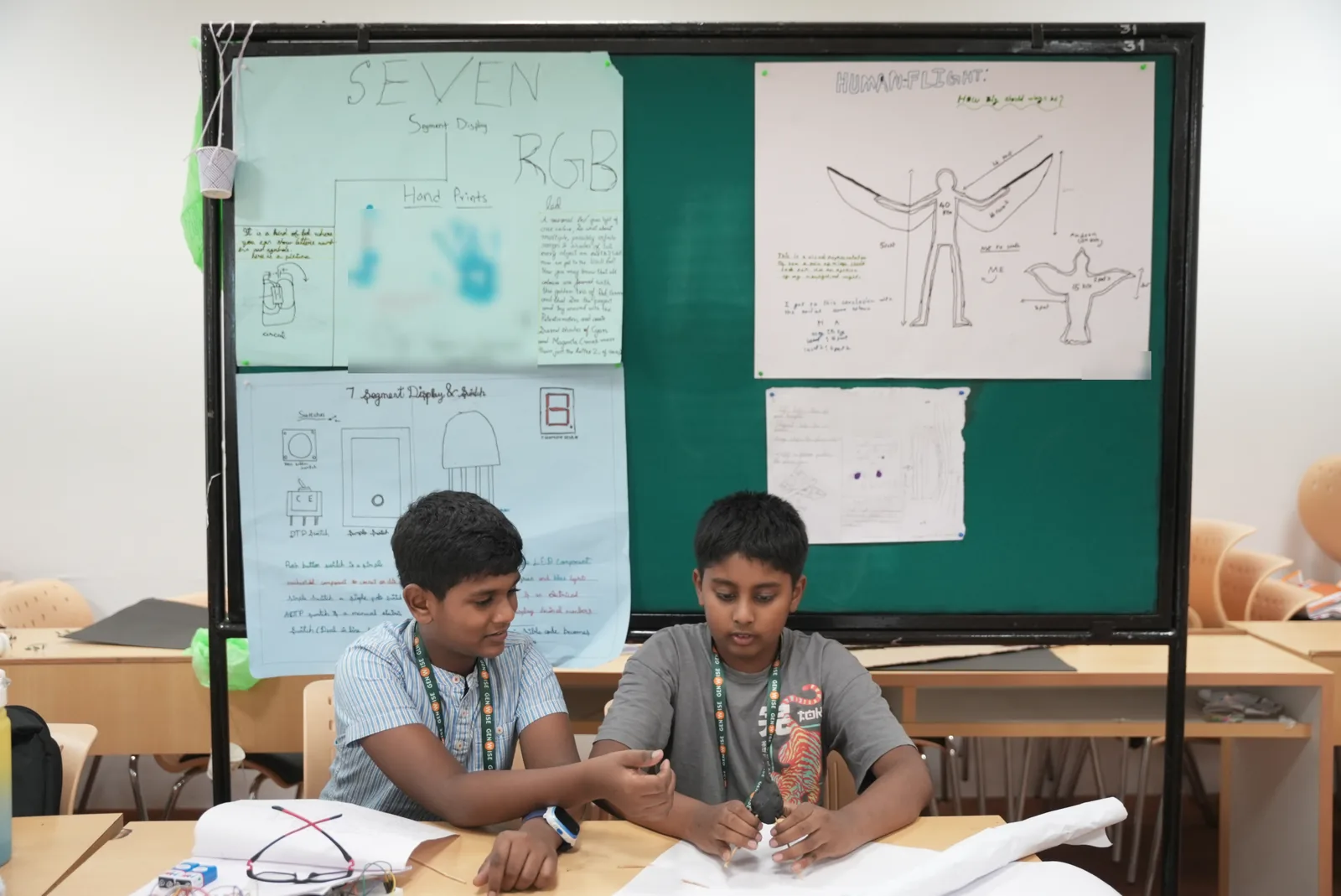
  • Two students at their open-day stand under the seven-segment display posters, Squishy Circuits, GSP'26

    No. 16

    A seven-segment display that counts out pi

    Squishy Circuits · May 2026 · One student
    A student wired a breadboard circuit to a seven-segment display so that it showed the first seven decimal places of pi.

    See the course
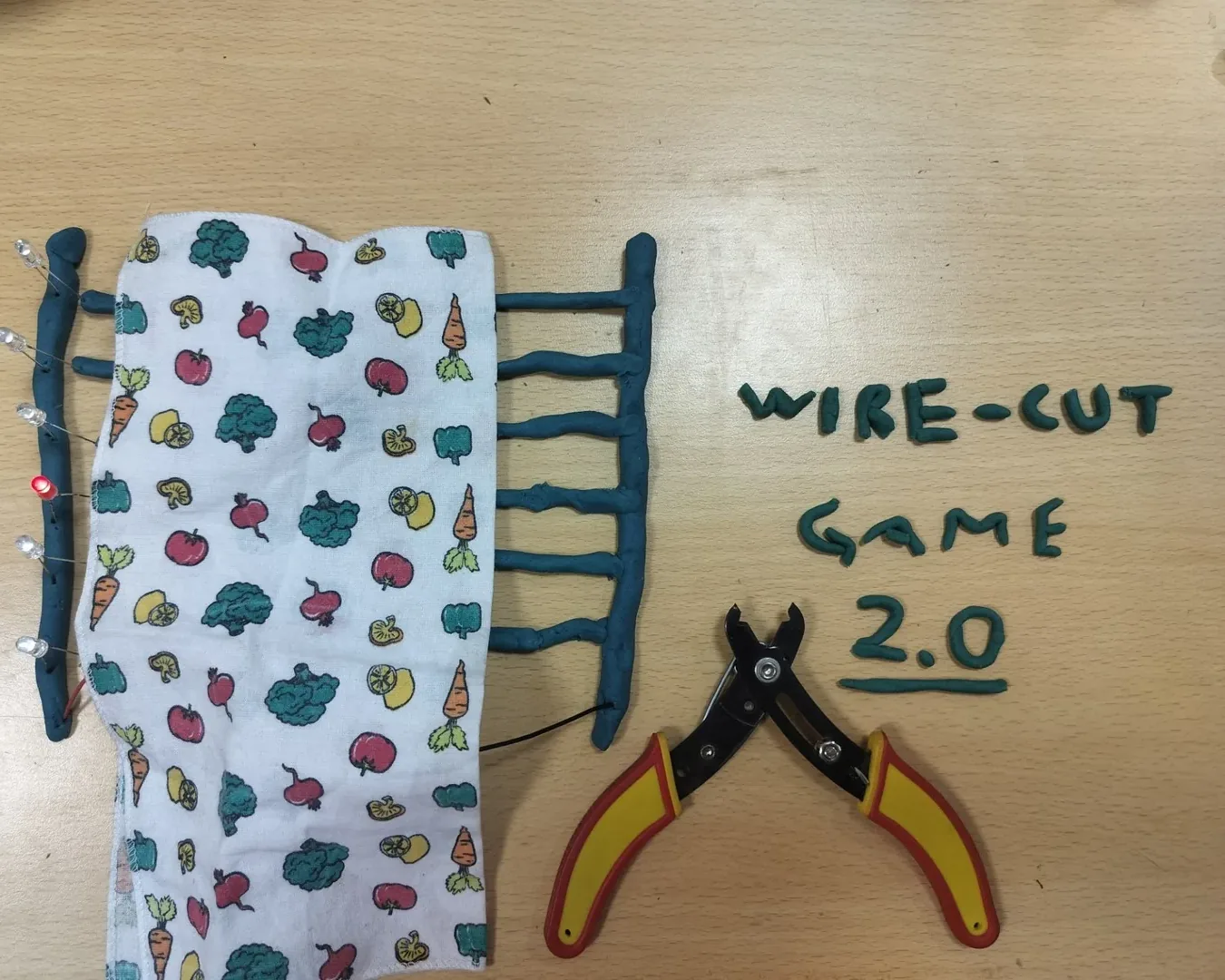
  • The Wire-Cut Game 2.0 in conductive dough: the title, a dough ladder of LEDs and the wire cutters, Squishy Circuits, GSP'26

    No. 17

    The Wire Cut Game

    Squishy Circuits · May 2026 · One student
    One learner invented a game in which players predict which bulb goes dark when a given wire is cut. It turned series and parallel circuits into a class-wide puzzle.

    See the course
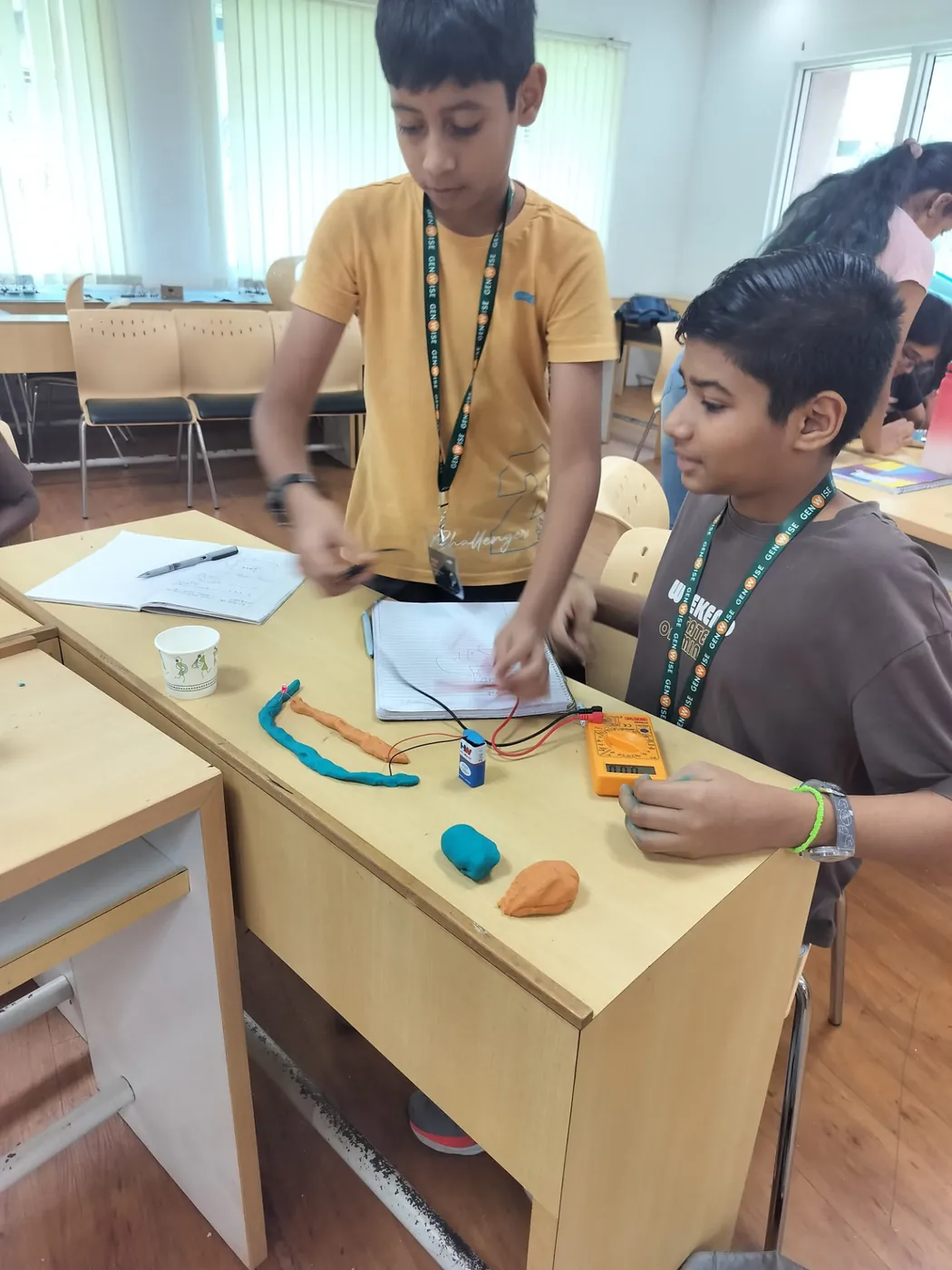
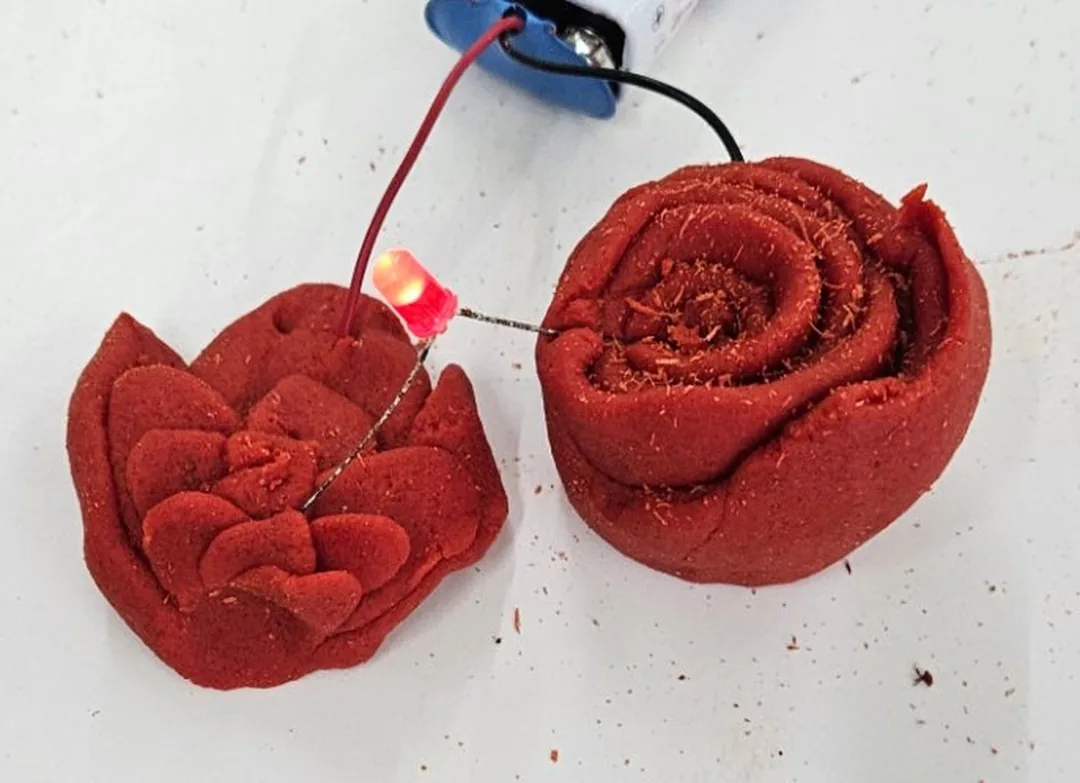
  • Two red playdough roses wired to a battery, an LED glowing at the heart of one, Squishy Circuits, GSP'26

    No. 18

    A playdough flower that lights up

    Squishy Circuits · June 2026 · One student

    June Explorers made conductive dough from wheat flour, water, oil, salt and food colour, then shaped it into circuits. One became a traffic signal, another a flower with an LED glowing at its centre.

    See the course
  • A student with the wooden frame he built, Build It, Break It, GSP'26

    No. 19

    Tensegrity tables that stand on tension

    Build It, Break It: Bridges, Pulleys and Floating Tables · May 2026 · A team

    Groups agreed their own dimensions, cut wood and plastic with saws and clamps, and built tensegrity tables. After a struggle to make them stand, every group finished, one building theirs bigger and wider.

    See the course
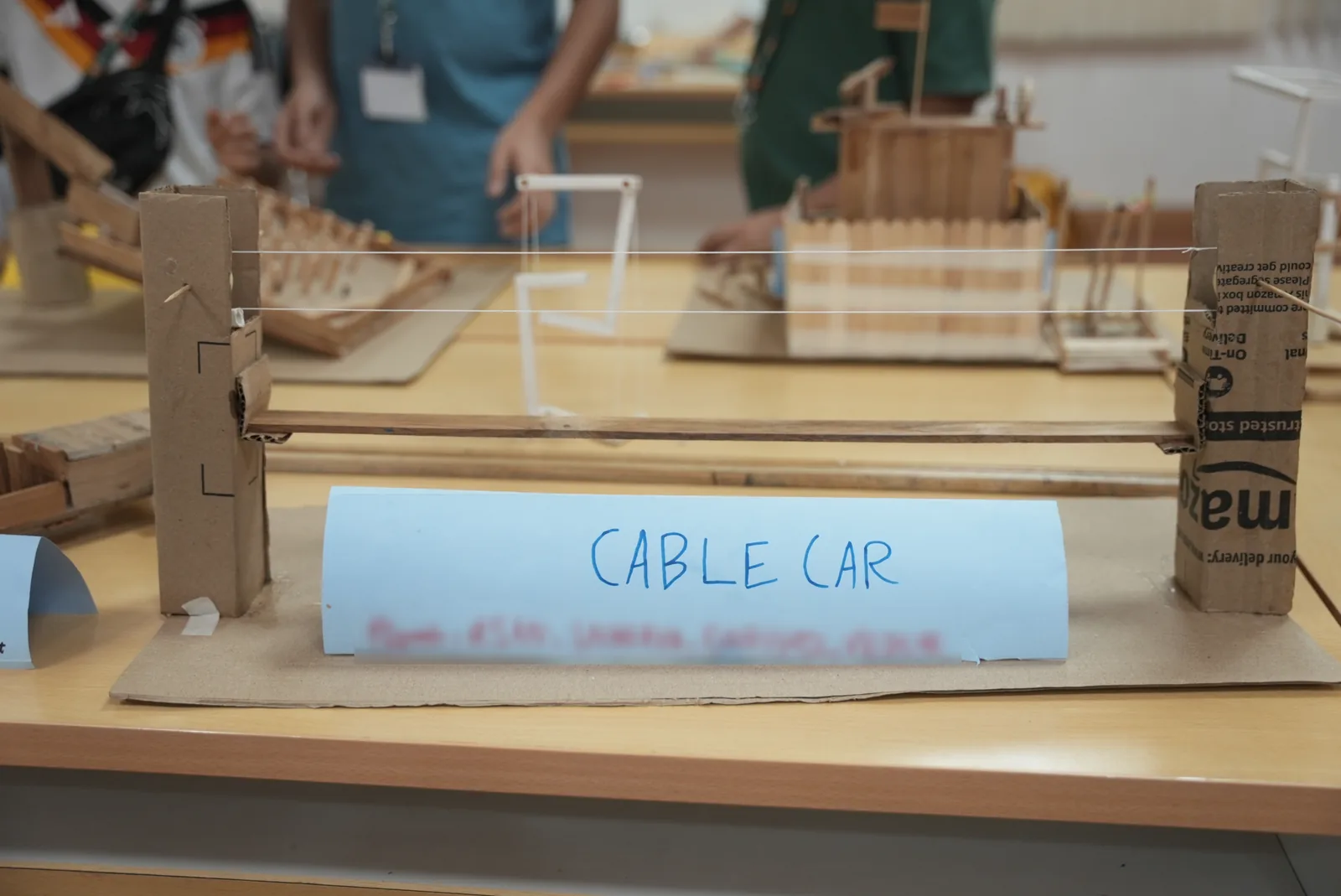
  • The cable car model on the open-day table, other final models behind, Build It, Break It, GSP'26

    No. 20

    A cable train, a truck and a castle

    Build It, Break It: Bridges, Pulleys and Floating Tables · May 2026 · A team

    Five groups built final models: a house with tree and benches, a cable train, a marble-versus-marble game, a truck and a castle with a catapult. Every group finished and showed classmates.

    See the course
  • Exhibit

    21

    Parachute race with a glue-stick passenger

    Build It, Break It: Bridges, Pulleys and Floating Tables · June 2026 · A team

    Pairs built parachutes from trash bags, wool and cardboard to carry a glue stick, then an eraser. They timed the drops, redesigned for a second round and crowned a winner.

    See the course
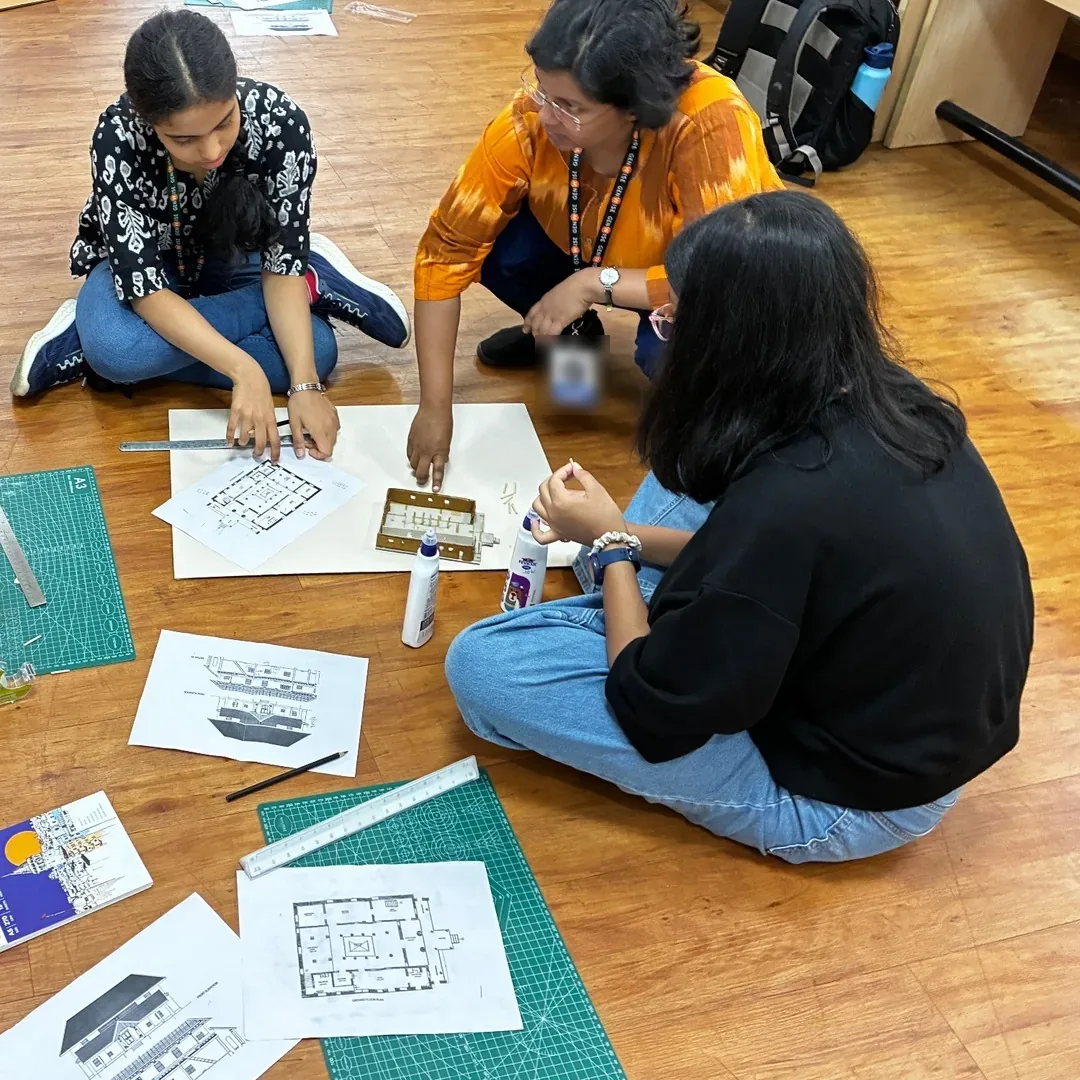
  • Students building the card model of a heritage house over its floor plan and elevation drawings, Architecture, GSP'26

    No. 22

    A heritage-house model, then the real house

    Blueprints & Beyond: Exploring Design & Architecture · May 2026 · The whole class

    The class built a model of the Kunjur Chowkimane house, working up to its roof and exploring roof types. Then they visited the real house and learned 62 people lived there.

    See the course
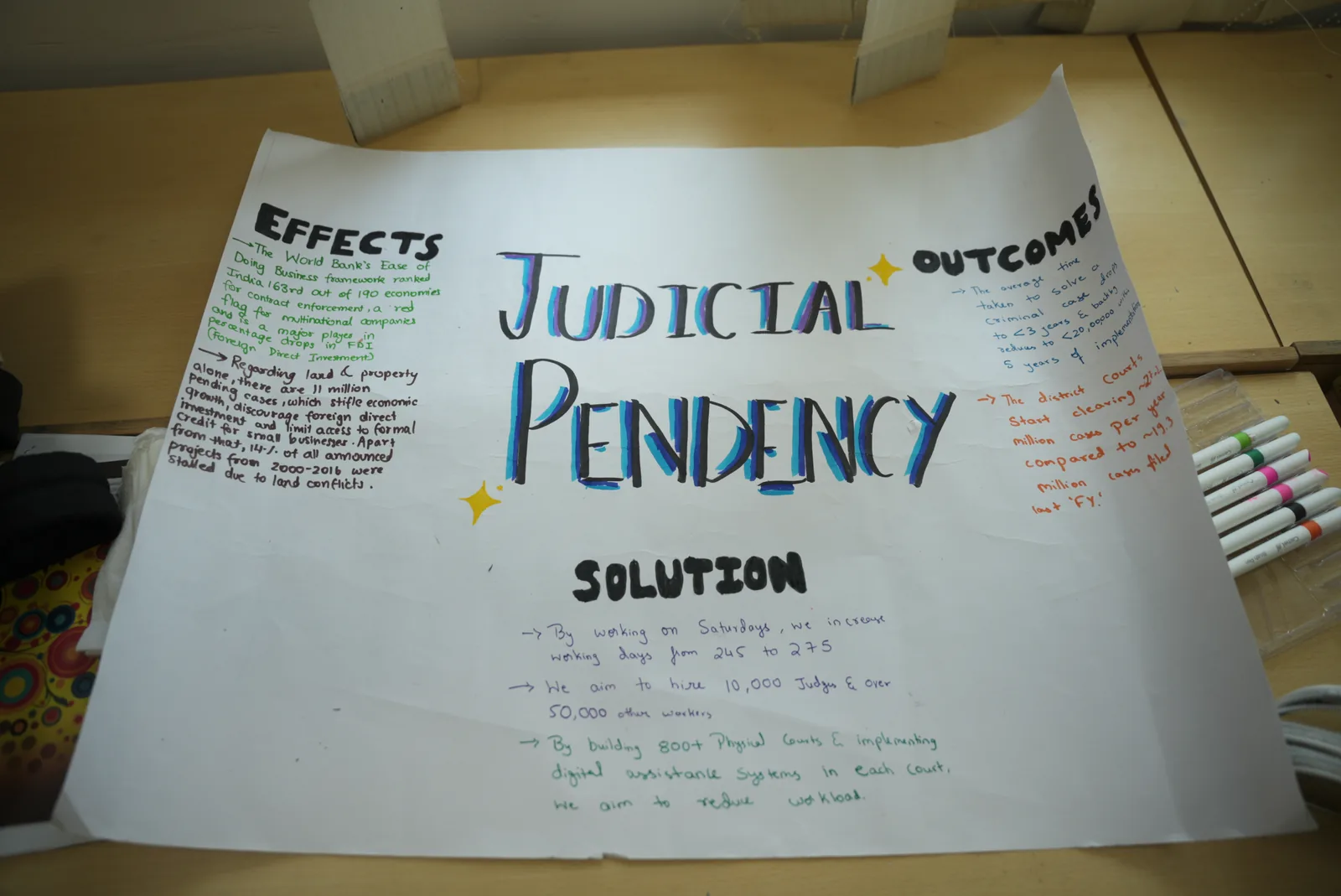
  • A group's hackathon poster on judicial pendency: effects, outcomes and a costed solution, Policy Paths, GSP'26

    No. 23

    Policy Hackathon: fixes for real problems

    Policy Paths: Unraveling Economics, Stats, and Policy · May 2026 · A team

    Groups proposed solutions to policy problems over two rounds of presentations, using feedback between rounds. They set out inputs, outlays, outputs and outcomes, and traced unintended consequences.

    See the course
  • A student coding on his laptop, AI/ML course, GSP'26

    No. 24

    A shape classifier that recognised real objects

    Code the Future: AI & Machine Learning Adventure · May 2026 · One student

    Students trained a circle/triangle/rectangle classifier, then tested it on real things through their webcams. It correctly identified a laptop and a juice carton.

    See the course
  • A student at work on his laptop mid-session, AI/ML course, GSP'26

    No. 25

    Chatbots built in a one-week sprint

    Code the Future: AI & Machine Learning Adventure · May 2026 · One student

    In a multi-turn chatbot sprint, students built bots including a daily-schedule creator, a fictional-story generator and a 'people trump-card' creator, testing and adjusting their prompts.

    See the course
  • Exhibit

    26

    A 30-second AI film about a sandwich

    Code the Future: AI & Machine Learning Adventure · June 2026 · A team

    In a timed video sprint, teams made 20–30 second films with AI images, script and voiceover. The standout followed a sandwich's escape from a lunch box: funny, clearly planned and on time.

    See the course
  • Exhibit

    27

    A benchmark: can you spot AI music?

    Code the Future: AI & Machine Learning Adventure · June 2026 · The whole class

    Students generated songs with Suno and built a class mini-benchmark of human-made versus AI-made music. The class scored below 50%.

    See the course
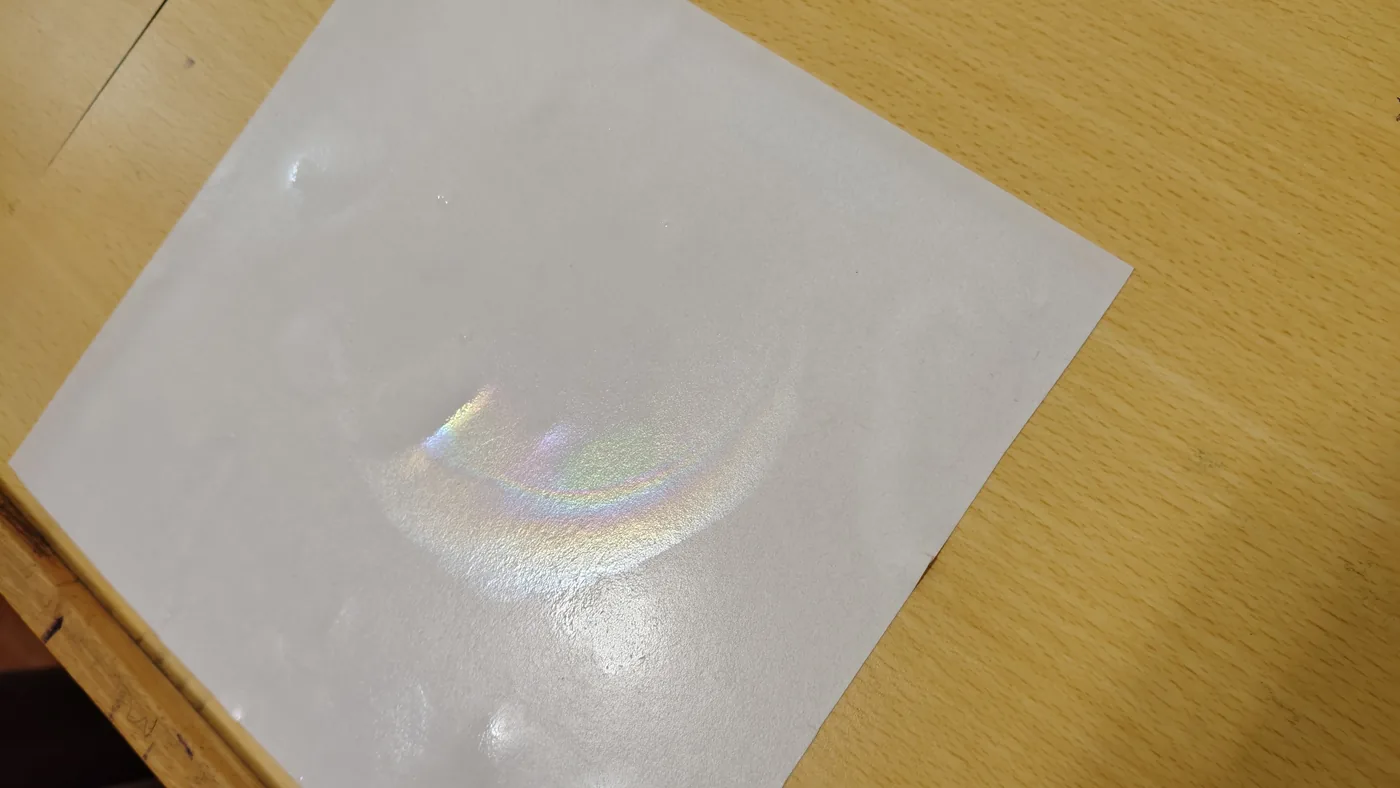
  • The rainbow of a thin oil film spread on paper, Two Feet of Science, GSP'26

    No. 28

    Measuring a molecule with nail polish

    Two Feet of Science: Walk Like a Scientist · May 2026 · The whole class

    Students estimated the thickness of a molecule from a film spread on water. When one student questioned the method, the class re-ran it on black and white paper and worked out why black was needed.

    See the course
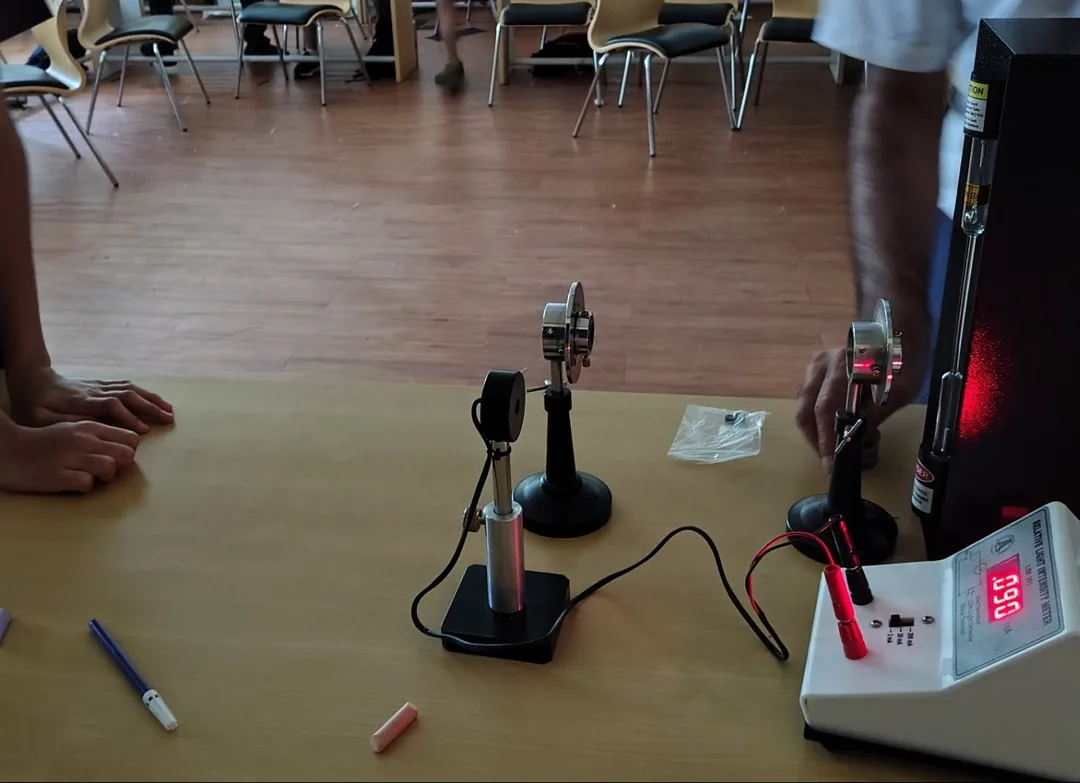
  • The polarisation set-up: polariser stands and the light-intensity meter, students' hands at the bench, Two Feet of Science, GSP'26

    No. 29

    Proving light is a transverse wave

    Two Feet of Science: Walk Like a Scientist · May 2026 · The whole class

    Using polarisation, students gathered their own data and plotted a straight-line graph to confirm the equations, which showed light is a transverse wave.

    See the course
  • Exhibit

    30

    Triple pendulums from onions and tomatoes

    Two Feet of Science: Walk Like a Scientist · May 2026 · A team

    After deriving the pendulum's period by dimensional analysis, students went beyond the syllabus. They hung vegetable bobs one below another to build double and triple pendulums and explore chaotic motion.

    See the course
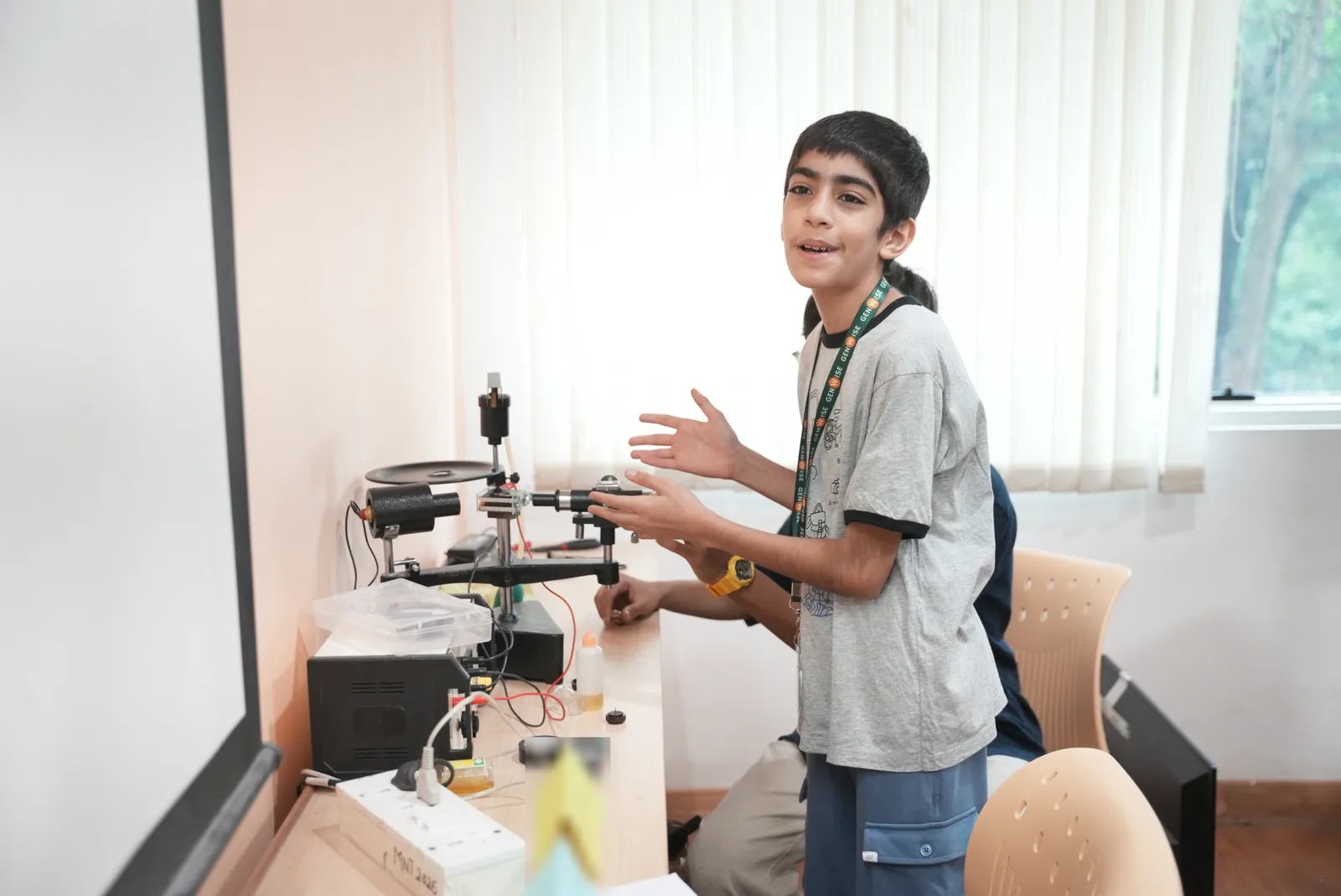
  • A student explaining the Millikan oil-drop set-up at open day, GSP'26

    No. 31

    Taking on Millikan's oil-drop experiment for Open Day

    Two Feet of Science: Walk Like a Scientist · May 2026 · A team

    The class had planned to drop Millikan's oil-drop experiment for lack of time. Two students' persistence convinced the instructor to let them take on the setup for Open Day.

    See the course
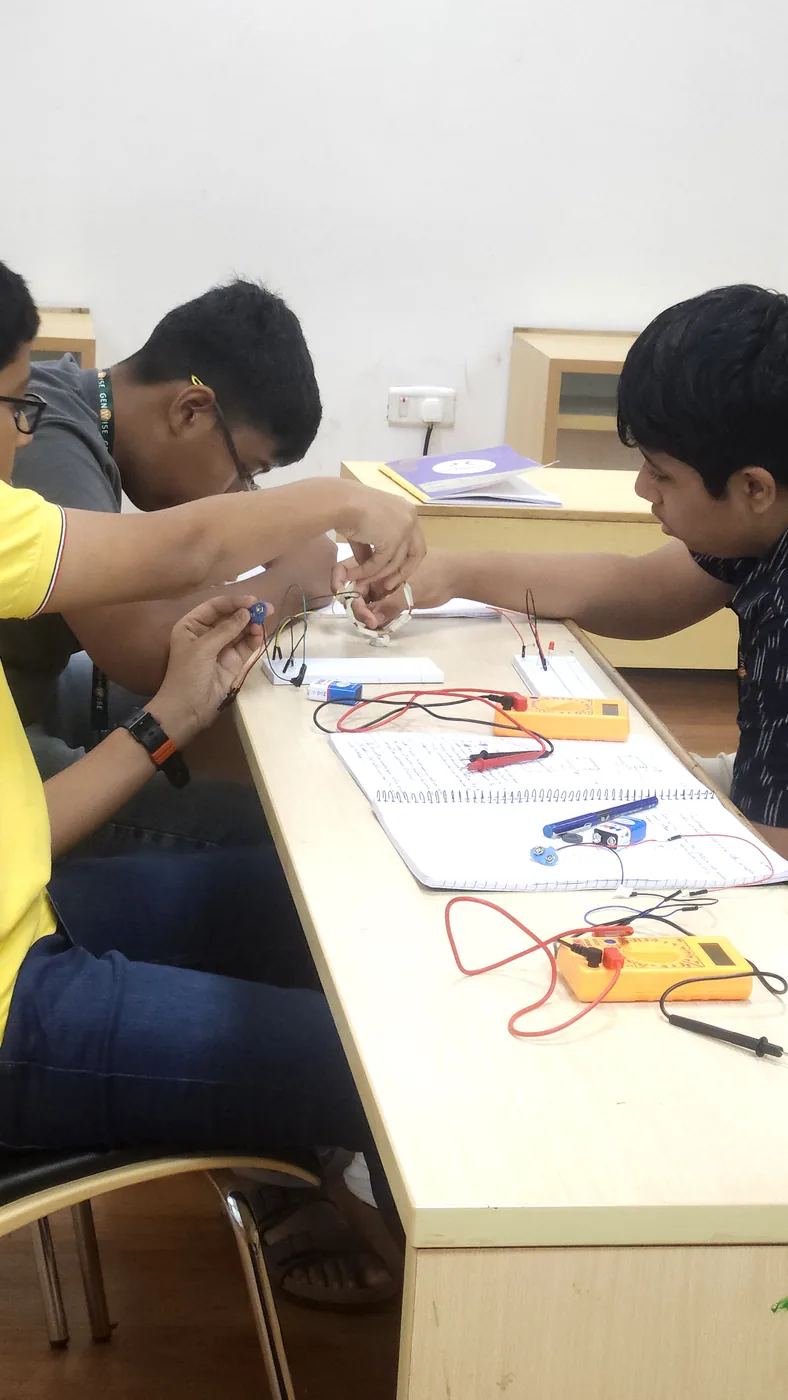
  • Two students wiring a circuit at the bench, Physics of Sound, GSP'26

    No. 32

    Circuits that divide voltage on demand

    Physics of Sound (GSP'26 only) · May 2026 · A team

    Three students quickly designed voltage-divider circuits that cut the input voltage to 1/6 and 1/9, then went on to build light-sensitive LED circuits using light-dependent resistors.

  • LED and potentiometer circuits laid out on the desk, Squishy Circuits, GSP'26

    No. 33

    A colour-changing light on a dial

    Squishy Circuits · May 2026 · One student
    Turning a potentiometer smoothly shifted an RGB LED through its colours. Classmates copied and varied the circuit, and one student's version used three potentiometers to mix every colour.

    See the course
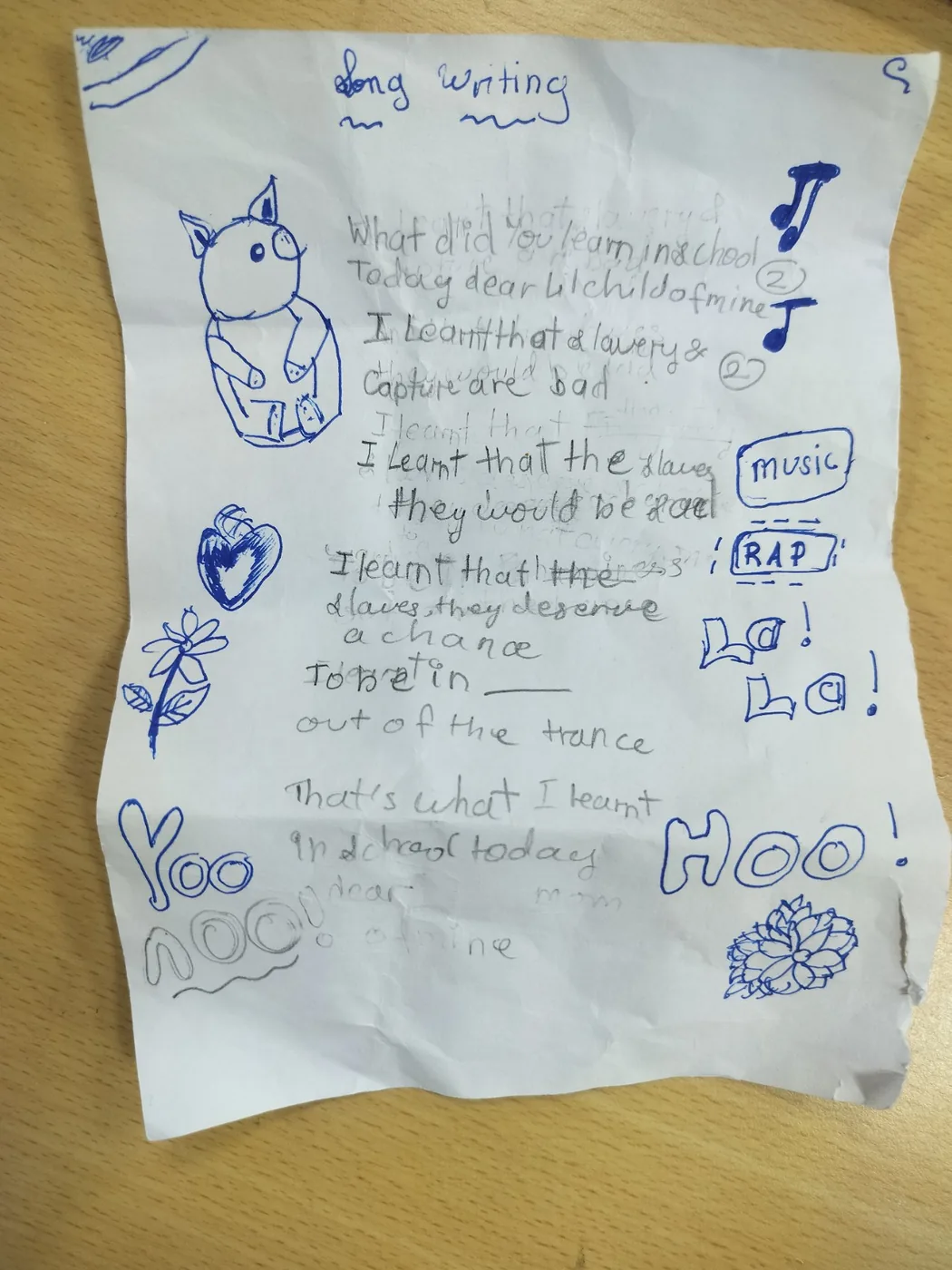
  • A student's illustrated page of writing from the session, GSP'26

    No. 34

    New verses for a protest song

    Build It, Break It: Bridges, Pulleys and Floating Tables · May 2026 · The whole class

    Students wrote their own verses, some satirical, for Pete Seeger's 'What Did You Learn in School Today?' Then the whole class sang them together.

    See the course
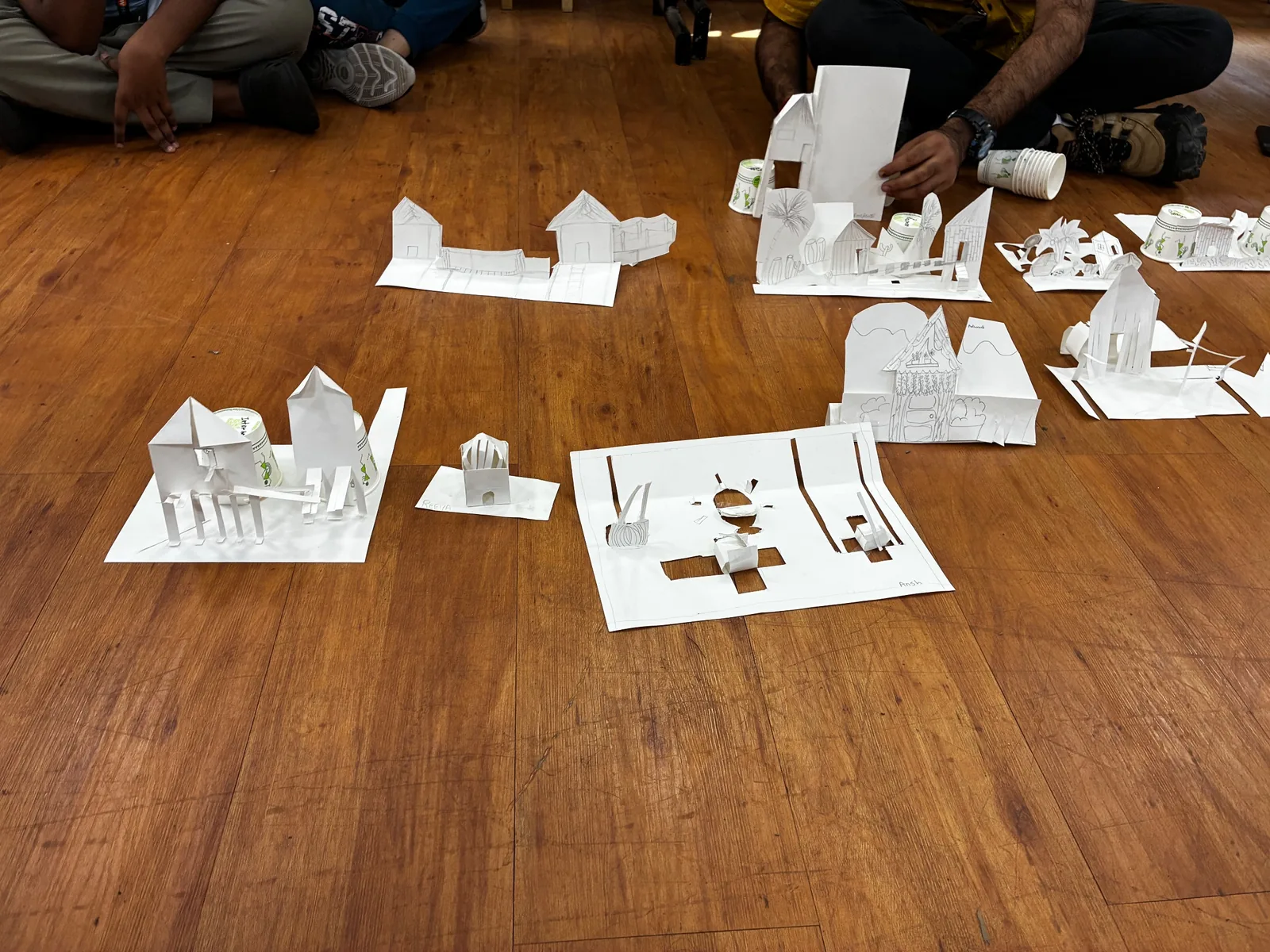
  • White card pop-up buildings from the imaginary city, laid out on the studio floor, Architecture, GSP'26

    No. 35

    An imaginary city made in two hours

    Blueprints & Beyond: Exploring Design & Architecture · May 2026 · A team

    Groups drew a whole city plan, then imagined the fictional city of Zenobia, sketched it in charcoal and made 3D pop-ups from card without using tape, all in two hours.

    See the course
  • Exhibit

    36

    Brain caps and a clay neuron

    Neuro Navigators (GSP'26 only) · May 2026 · A team

    Students made wearable brain caps, remaking some until they fitted, and presented them. One group sculpted a detailed clay model of a neuron.

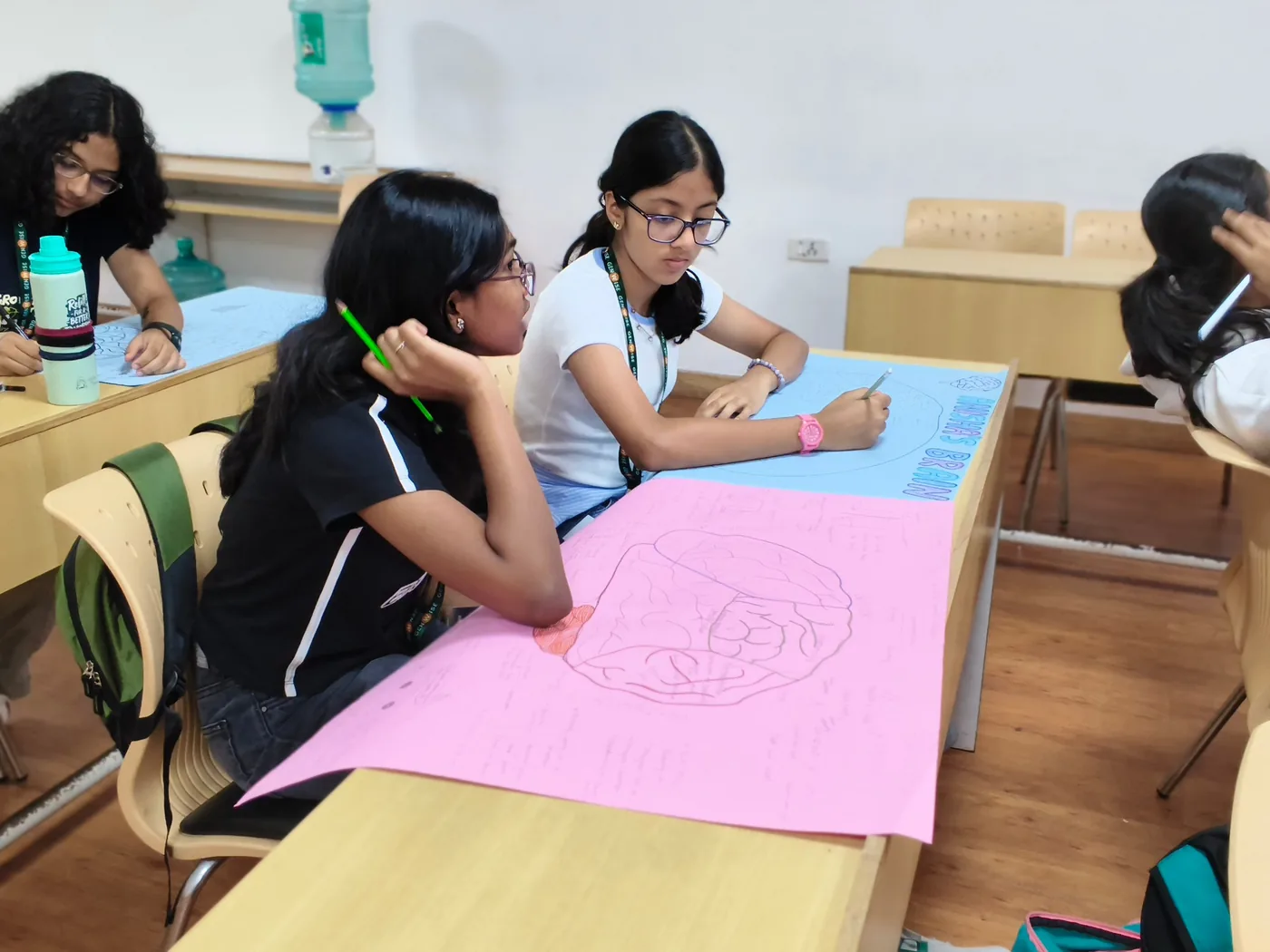
  • Students at work on their brain posters, Neuro Navigators, GSP'26

    No. 37

    Brain charts and talks on why we behave

    Neuro Navigators (GSP'26 only) · May 2026 · Each student

    Every student finished a neuroscience chart. Each also gave a one-minute talk linking one of their own traits, such as anger, empathy or overthinking, to the parts of the brain behind it.

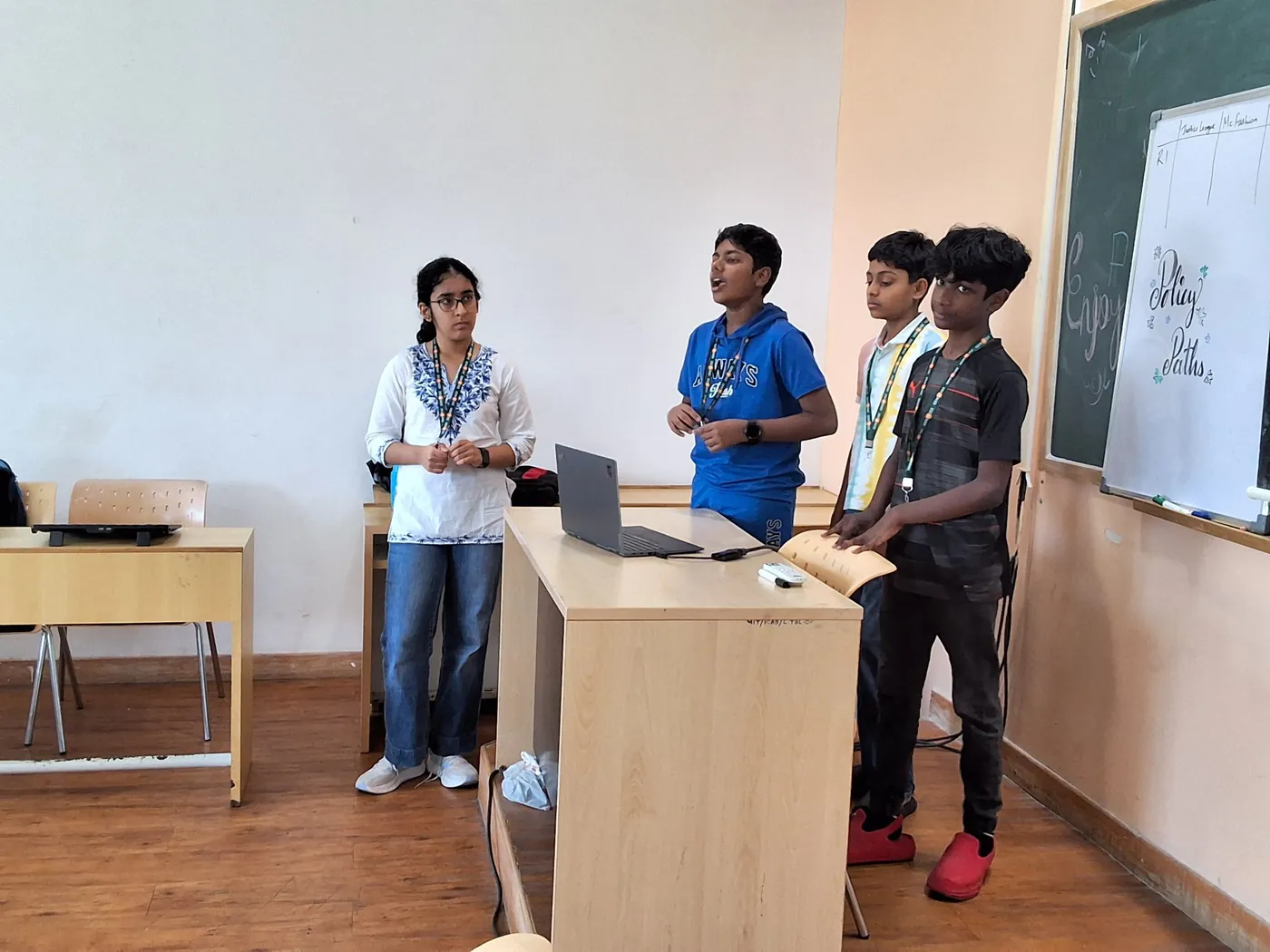
  • Three students presenting at the front of the room, Policy Paths, GSP'26

    No. 38

    Newsroom reports on policies that backfired

    Policy Paths: Unraveling Economics, Stats, and Policy · May 2026 · The whole class

    All 14 students researched schemes meant for good that created bad incentives, then presented their findings on camera in newsreader or teaching style.

    See the course
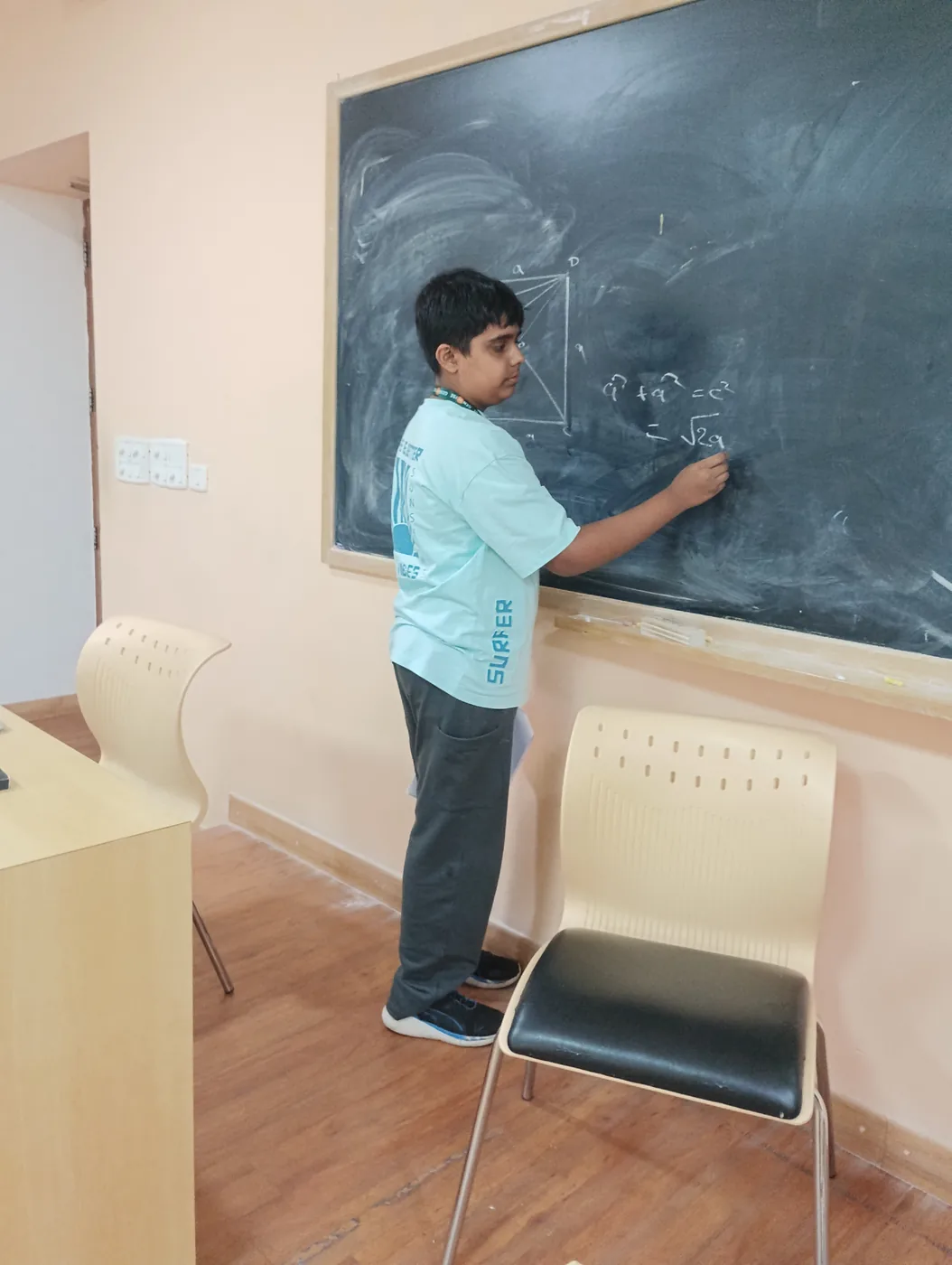
  • A student working a problem out on the blackboard, Math Mastery, GSP'26

    No. 39

    A path-finding algorithm of their own

    Math Mastery (GSP'26 only) · May 2026 · One student

    A student presented a home-grown algorithm for tracing a path through a graph, similar to Fleury's algorithm. Classmates then used the handshake lemma to prove when an Euler circuit is impossible.

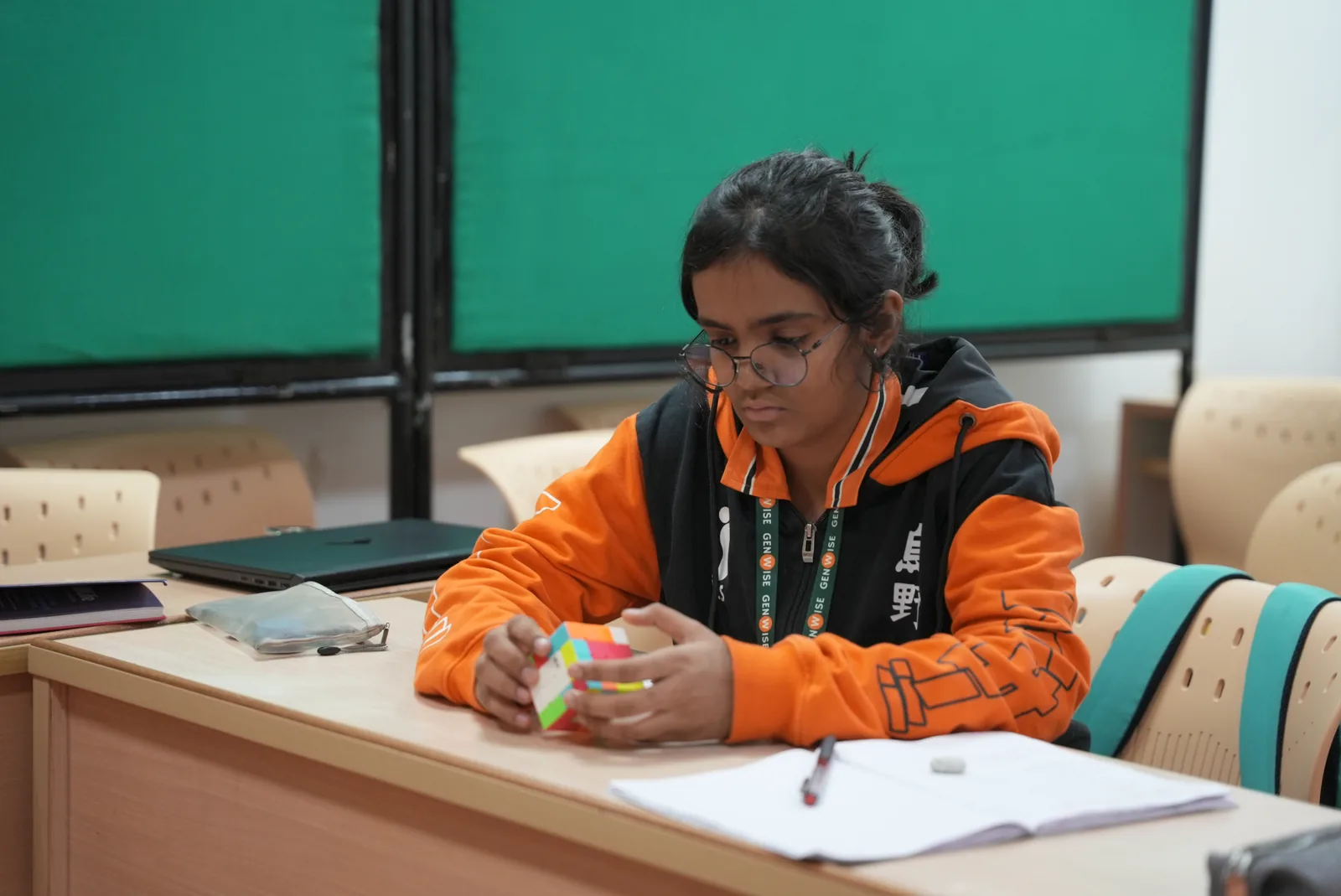
  • A student working a puzzle cube at her desk, notebook open, Math Mastery, GSP'26

    No. 40

    Proving a scrambled puzzle can't be solved

    Math Mastery (GSP'26 only) · May 2026 · One student

    Working with puzzle cubes, a student noticed that an odd-parity configuration can never be solved. Staff recorded it as an important breakthrough.

Next summer's wall

Room for one more exhibit

Every build here started with a child who couldn't leave a question alone. The 2027 courses are open.

See the 2027 courses

Could your child build one of these?

Tell us what your child can't leave alone

Apply, and on the call we'll tell you which room it gets built in.

Free · 20 questions · 35 minutes. Pay ₹40,000 to hold a seat. Change your mind until 28 February 2027 and all of it comes back.