Skip to content
GenWise

Course catalog · GW Wizards (Grades 8–11)

Think like an engineer: design a catapult, trebuchet or spring launcher, prototype it, fire it, measure every shot, and iterate until it hits the target you set.

You decide what a perfect launch means, which is the engineer's first job: the furthest shot, the most accurate one, or the best launcher built from scrap. Week one is design: sketches, cardboard prototypes, and the physics of force, torque, tension and energy taught as you build. By week two you are fabricating in wood, 3D-printing your own parts and wiring a light-gate timer that clocks every launch. Every shot is measured, and the data, not opinion, decides the next iteration. By week three you calculate where each shot will land, then test how close the model got, and write up the design log like a working engineer.
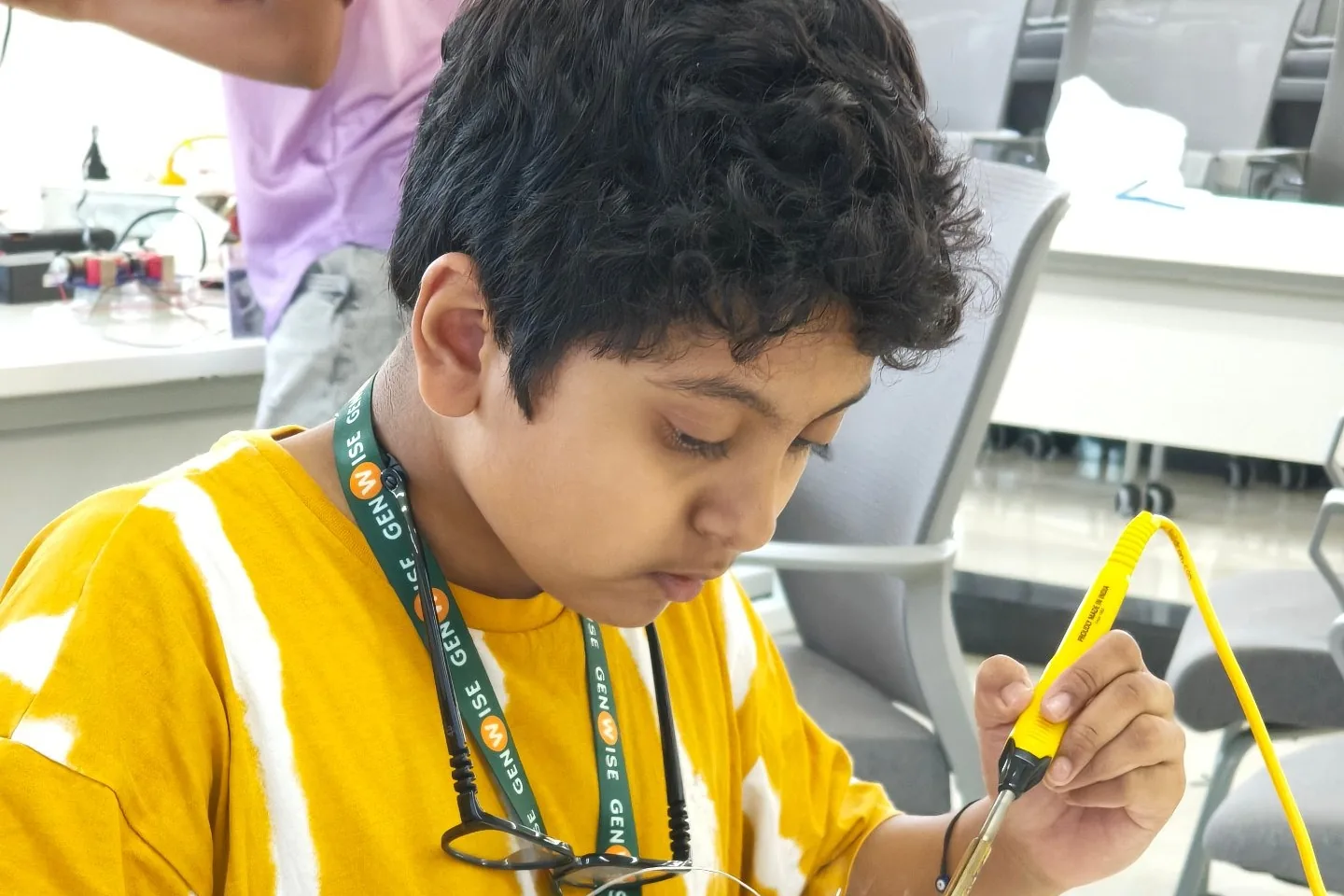
A student soldering a small circuit at the making bench, GSP'26

Taught by Prasanth Sistla, Educator · Maker · 15 years designing hands-on learning. Meet all the mentors

The course, in a minute

₹1,70,000 ₹2,10,000, GST included. Early-bird till 31 Dec 2026.

9–29 May 2027 or 13 June–3 July 2027.

Free · 20 questions · 35 minutes

Pay ₹40,000 to hold a seat. Change your mind until 28 February 2027 and all of it comes back. The refund terms

FacilitatorPrasanth Sistla
Duration3 weeks
Teaching hours90+
GradeGrades 8–11 (as of 2027–28)

What you will do

Three weeks from a cardboard sketch to a launcher whose every shot you can predict.

Week by week

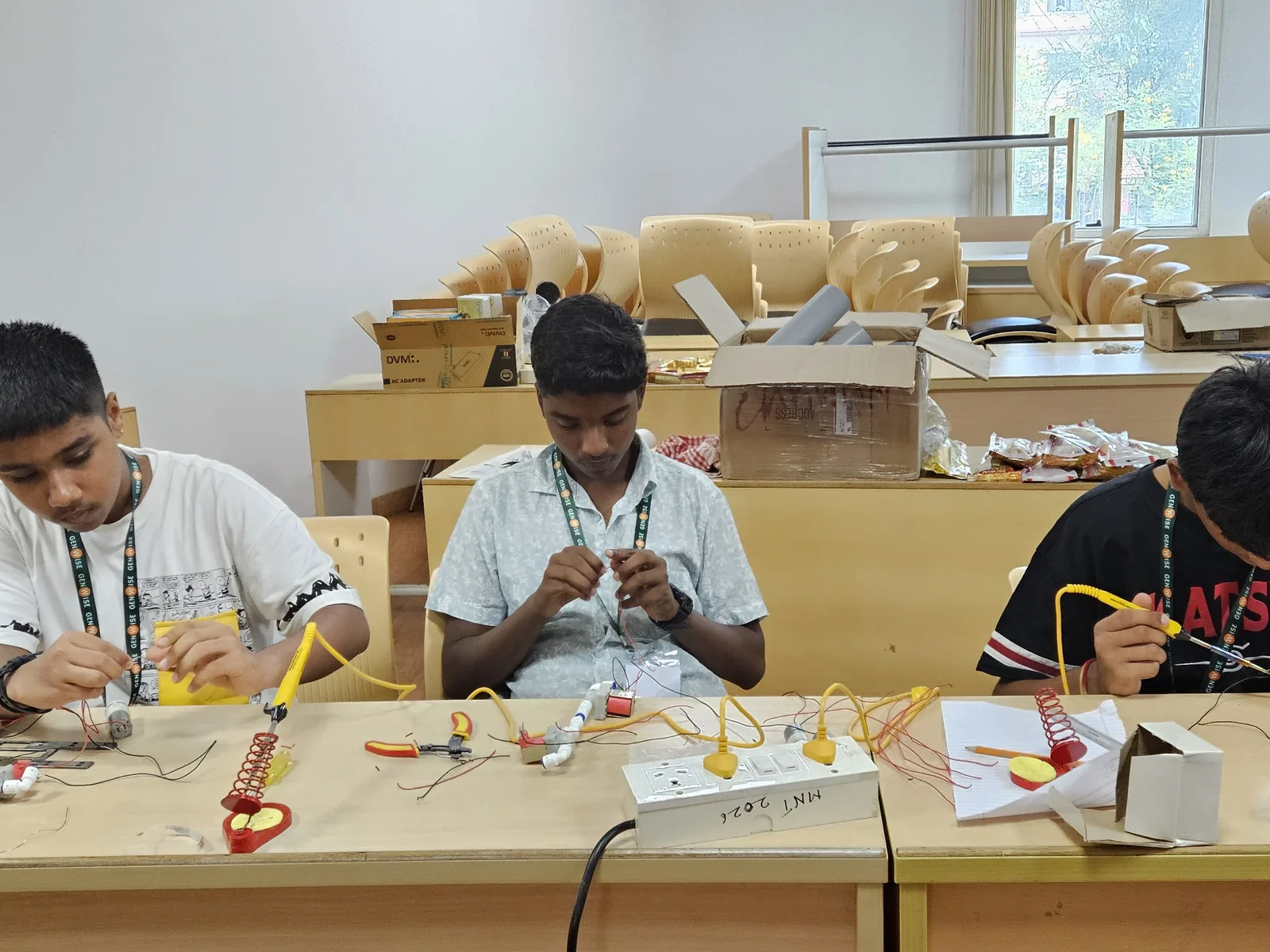
  1. Three students building at the long workbench, GSP'26

    Investigate

    How launchers store and release energy, and your own definition of a perfect launch.

    • Levers, springs and stored energy
    • Projectile motion and launch angle
    • Sketch it, then a cardboard prototype
    • Setting your own goal
  2. A student assembling a small mechanism by the window, GSP'26

    Engineer

    Build it properly, then let the measurements decide the next design.

    • Wood and 3D-printed parts
    • Wiring a light-gate timer
    • Measured test shots
    • Redesign from the data
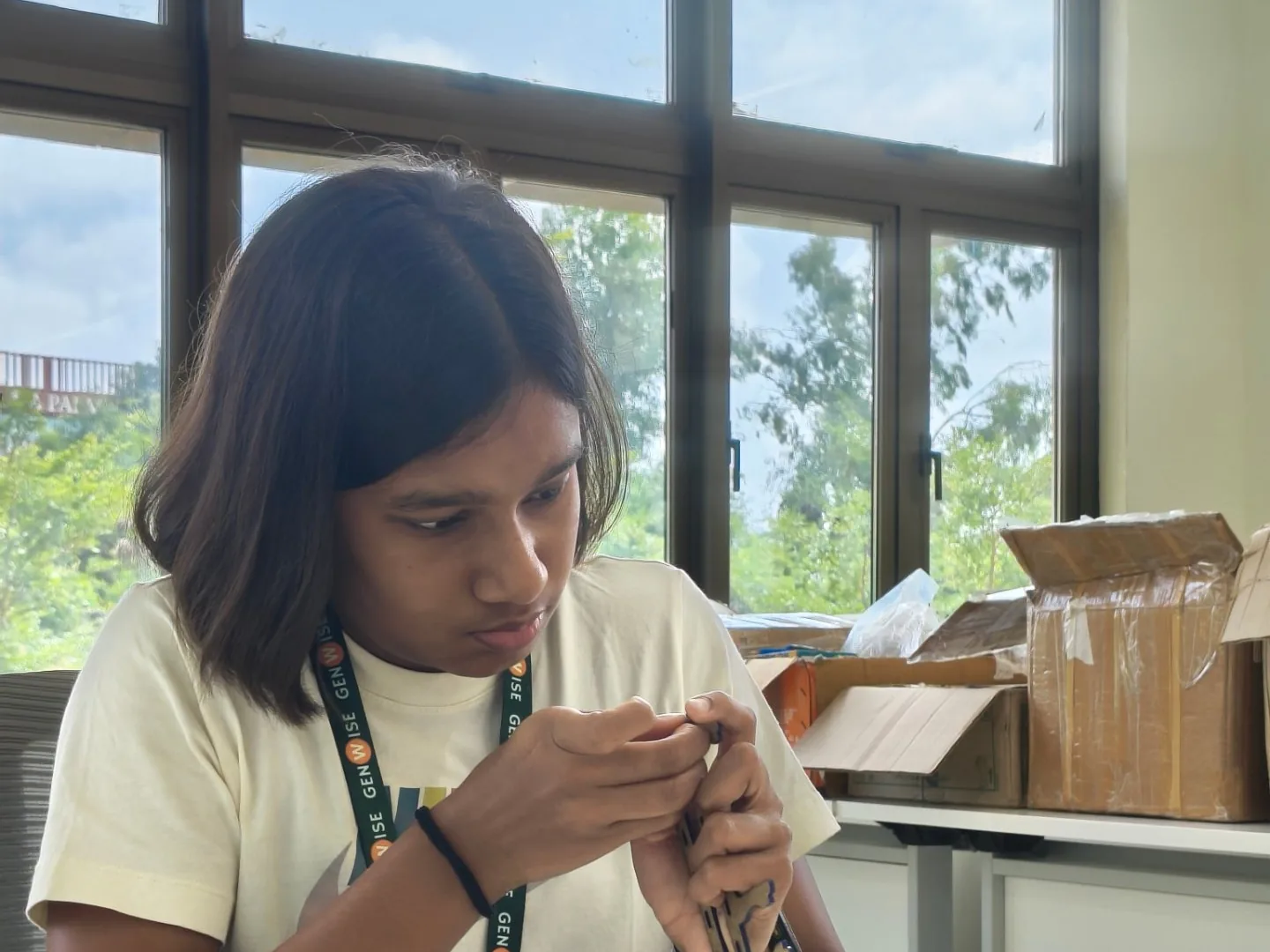
  3. A student wiring a circuit board at the making bench, GSP'26

    Refine

    Predict where it will land, then test the prediction.

    • Final build and tuning
    • Calculate the landing point, then check it
    • Design review with your peers
    • Open-day firing
Questions to wrestle with
  • Is the launcher that goes furthest really the best one?
  • Why does a design that works perfectly on paper miss with its first shot?
  • What launch angle sends something furthest, and does the textbook answer hold up outside?
Page two

How does this course help your child?

Innovative pedagogy

Students learn by building, breaking and rebuilding, and evidence decides each redesign.

Academic acceleration

The kinematics and energy of Class 9–11 physics, and the full engineering design cycle with real prototyping tools, including 3D printing.

Cognitive skillsets

  • Setting success criteria
  • Measuring fairly
  • Learning from failure
  • Changing your mind with data

Peer networks

Students design in teams and critique each other's builds, the way real design studios work.

It ends with

A launcher built to the goal each student set, fired at the open day, with a design log of every version and the test data that shaped it.

May program · 9–29 May 2027 · MAHE Manipal

June program · 13 June–3 July 2027 · MAHE Bengaluru

Like every GSP course: three hours each morning, hands-on afternoons, a real artifact at the open day, and one residential coach or teaching assistant for every five students. The full day, hour by hour

Prerequisites: None. School science is enough.

Download the two-page course sheet (PDF)

Sounds like your kid?

Apply and tell us Fling Theory caught their eye — the call starts from there.

More from GW Wizards