Skip to content
GenWise

Course catalog · GW Wizards (Grades 8–11)

Every morning, a real case stops at the cliffhanger. You run the forensics, then find out how it ended.

Fingerprints, ink, pollen, hair, blood groups, and DNA you extract and see with your own eyes. Each morning a case; each afternoon you test the method on your own samples. The cases run from India's first fingerprint bureau in Bengal in 1897 to Lalji Singh, who brought DNA fingerprinting to India. For every method you ask what its error rate is, and face the uncomfortable fact that for some, nobody has measured one. No gore: the evidence is staged in the lab, stains are ink and stage blood on paper, and there are no graphic images.
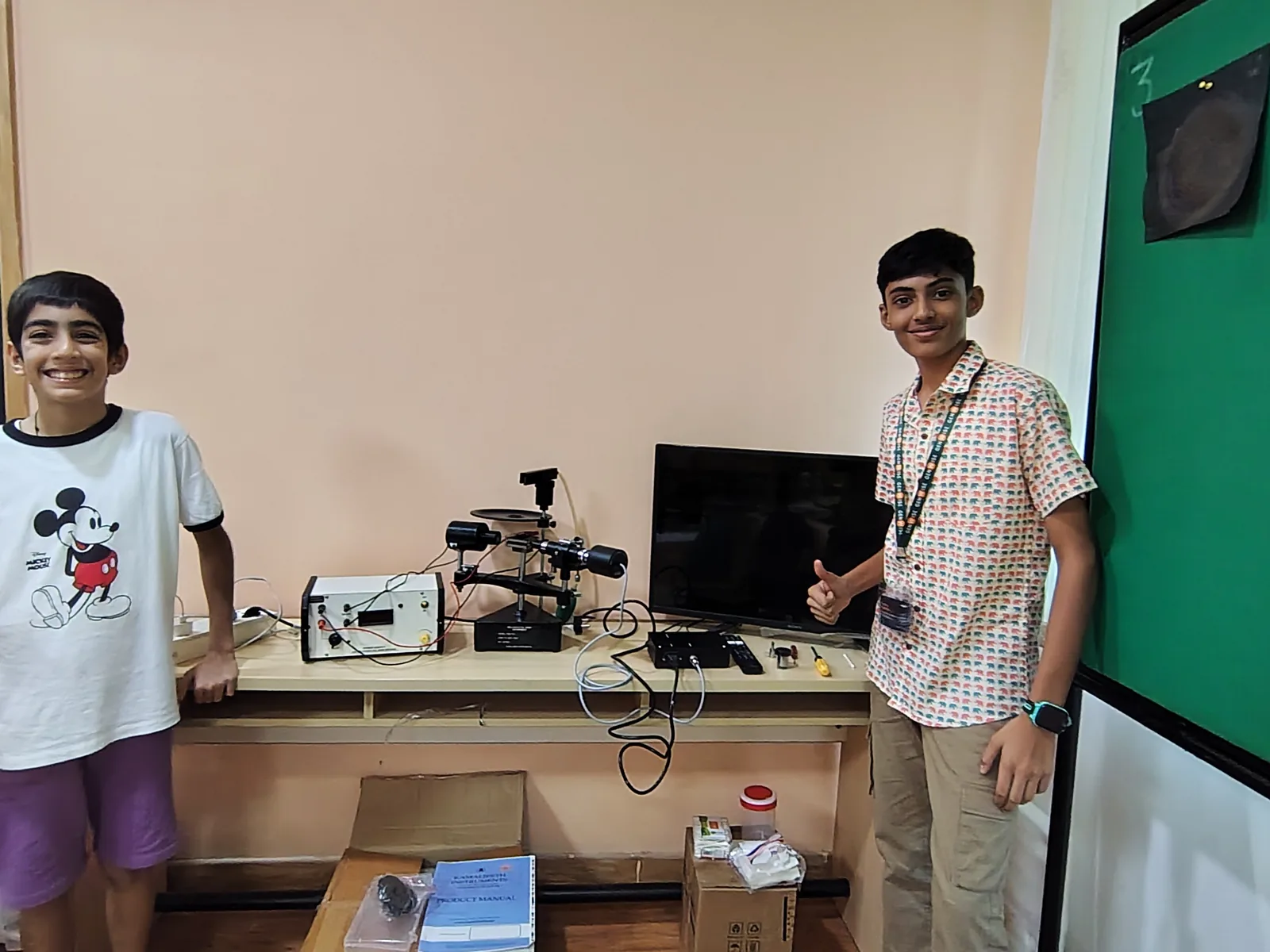
Two students beside the microscope they used in the lab, GSP'26

Taught by Dr Jyothi V Nair, Science Enthusiast, Seed2Sapling Education · Behavioural Ecologist · PhD, NCBS-TIFR. Meet all the mentors

The course, in a minute

₹1,70,000 ₹2,10,000, GST included. Early-bird till 31 Dec 2026.

9–29 May 2027 or 13 June–3 July 2027.

Free · 20 questions · 35 minutes

Pay ₹40,000 to hold a seat. Change your mind until 28 February 2027 and all of it comes back. The refund terms

FacilitatorDr Jyothi V Nair
Duration3 weeks
Teaching hours90+
GradeGrades 8–11 (as of 2027–28)

What you will do

Each day opens with a true story, told up to the point where the answer is still unknown. Students do the science, then hear how the real case ended.

Week by week

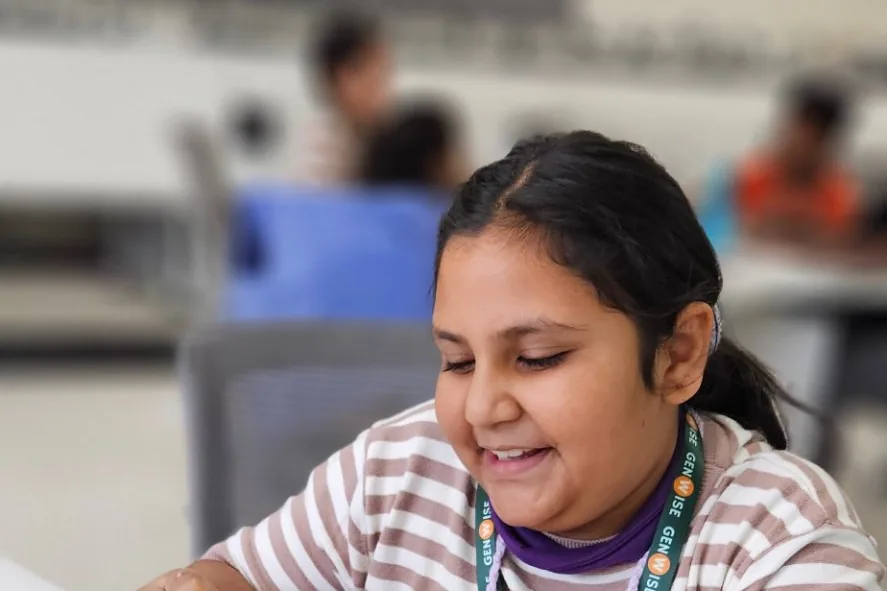
  1. A student smiling at her desk beside four small dishes of coloured dye, GSP'26

    Observe and compare

    Every contact leaves a trace. Learn to notice it, and to keep what you saw apart from what you assumed.

    • Can you trust your memory?
    • Fingerprints: take, sort, lift
    • Shoe prints, pollen and trace evidence
    • Sniffer dogs: how reliable is a nose?
  2. A student working on a sample at her desk, GSP'26

    Measure and test

    Clues become numbers and chemistry, always with a fair test.

    • How tall was the suspect?
    • Reading a stain's shape, and why experts disagree
    • Which pen wrote the note?
    • Putting the evidence in order
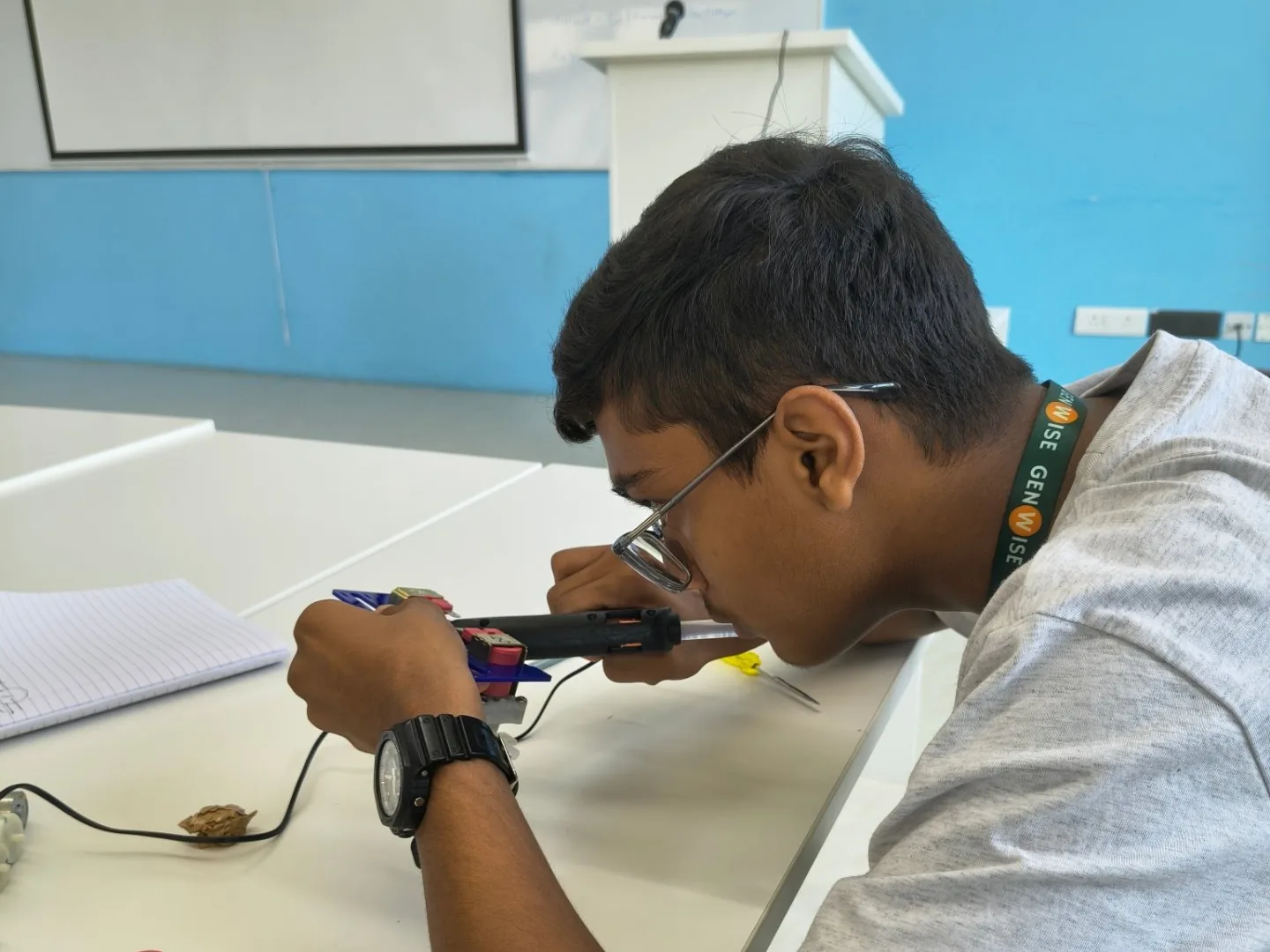
  3. A student examining a sample through a magnifier at his desk, GSP'26

    DNA and the human body

    What hair, bones and DNA reveal, and how scientists rebuild what they can't see.

    • Hair and fibres, and why hair matching was discredited
    • Blood typing (simulated)
    • Extract your own DNA
    • The mock court
Questions to wrestle with
  • Can you trust your own memory of a face you saw for ten seconds?
  • How can a few grains of pollen on a boot tell you where someone has been?
  • When a scientist says "it's a match", how sure should a jury be?
Page two

How does this course help your child?

Innovative pedagogy

Every day is a case, so the science always has a reason to happen, and the ending is only revealed after the experiment.

Academic acceleration

Biology, chemistry, physics and maths used together, and an honest look at how reliable each forensic method really is.

Cognitive skillsets

  • Observing closely
  • Separating fact from assumption
  • Testing fairly
  • Knowing how sure you can be

Peer networks

Teams build mysteries for each other to solve, and argue their findings in front of a court.

It ends with

Each team solves another team's mystery, writes a forensic report on how reliable each method was, and defends it before a mock court at the open day.

May program · 9–29 May 2027 · MAHE Manipal

June program · 13 June–3 July 2027 · MAHE Bengaluru

Like every GSP course: three hours each morning, hands-on afternoons, a real artifact at the open day, and one residential coach or teaching assistant for every five students. The full day, hour by hour

Prerequisites: None. School science is enough.

Download the two-page course sheet (PDF)

Sounds like your kid?

Apply and tell us Forensic Science caught their eye — the call starts from there.

More from GW Wizards