Skip to content
GenWise

Course catalog · GW Wizards (Grades 8–11)

Economics and public policy with the training wheels off — argue positions that survive rebuttal.

Students pick real policy questions, dig into evidence and trade-offs, and write briefs they must defend out loud. The course for the kid who argues at the dinner table — and deserves a worthier opponent.

Last May: children picked real policy problems, wrote solutions and defended them over two rounds of a policy hackathon.
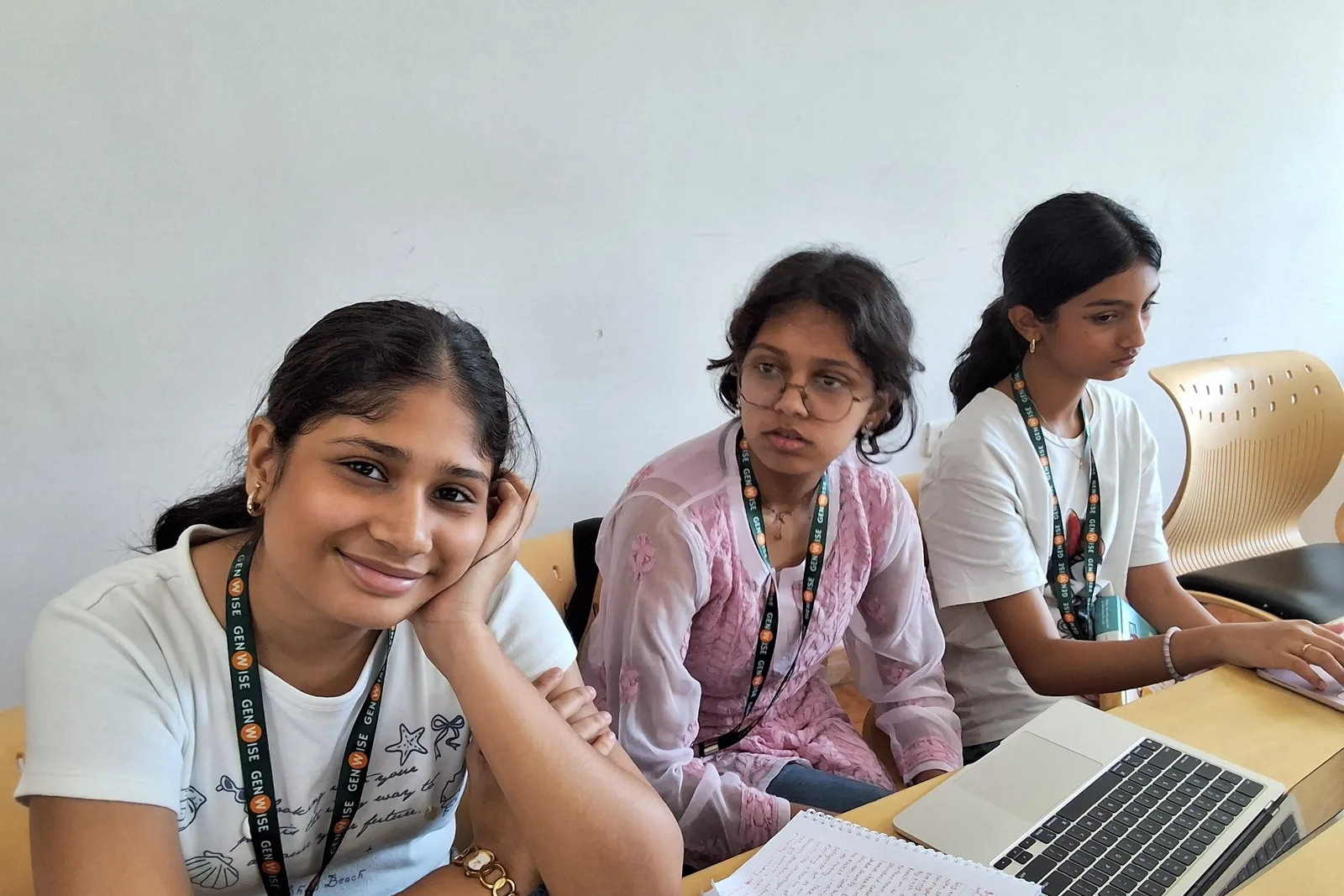
Three students working through a policy brief at a laptop, Policy Paths, GSP'26

Taught by Anupam Manur, Assistant Professor, Takshashila Institution · Economist. Meet all the mentors

Needed: A laptop; paid ChatGPT/Claude access (details on registration)

The course, in a minute

₹1,70,000 ₹2,10,000, GST included. Early-bird till 31 Dec 2026.

9–29 May 2027.

Free · 20 questions · 35 minutes

Pay ₹40,000 to hold a seat. Change your mind until 28 February 2027 and all of it comes back. The refund terms

FacilitatorAnupam Manur
Duration3 weeks
Teaching hours90+
GradeGrades 8–11 (as of 2027–28)
NeededA laptop; paid ChatGPT/Claude access (details on registration)

What you will do

Three weeks from thinking like an economist to defending a policy of your own.

Week by week

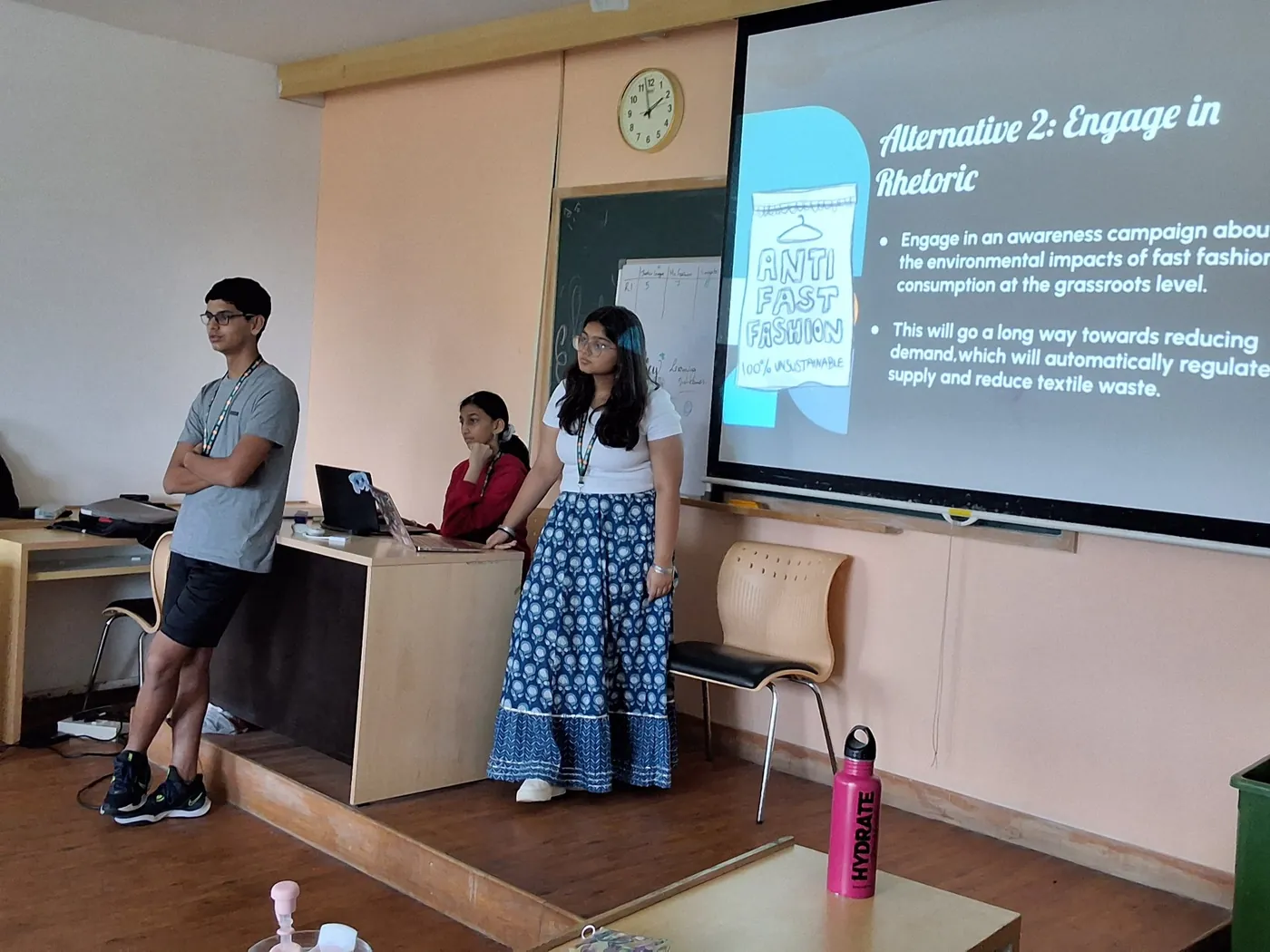
  1. Two students presenting their fast-fashion policy proposal, Policy Paths, GSP'26

    Thinking like an economist

    Why problems that look black-and-white rarely are, and the economist's toolkit for untangling them.

    • Incentives and margins
    • Trade, specialisation, opportunity cost
    • Supply, demand and surplus
    • Sunk costs in daily life
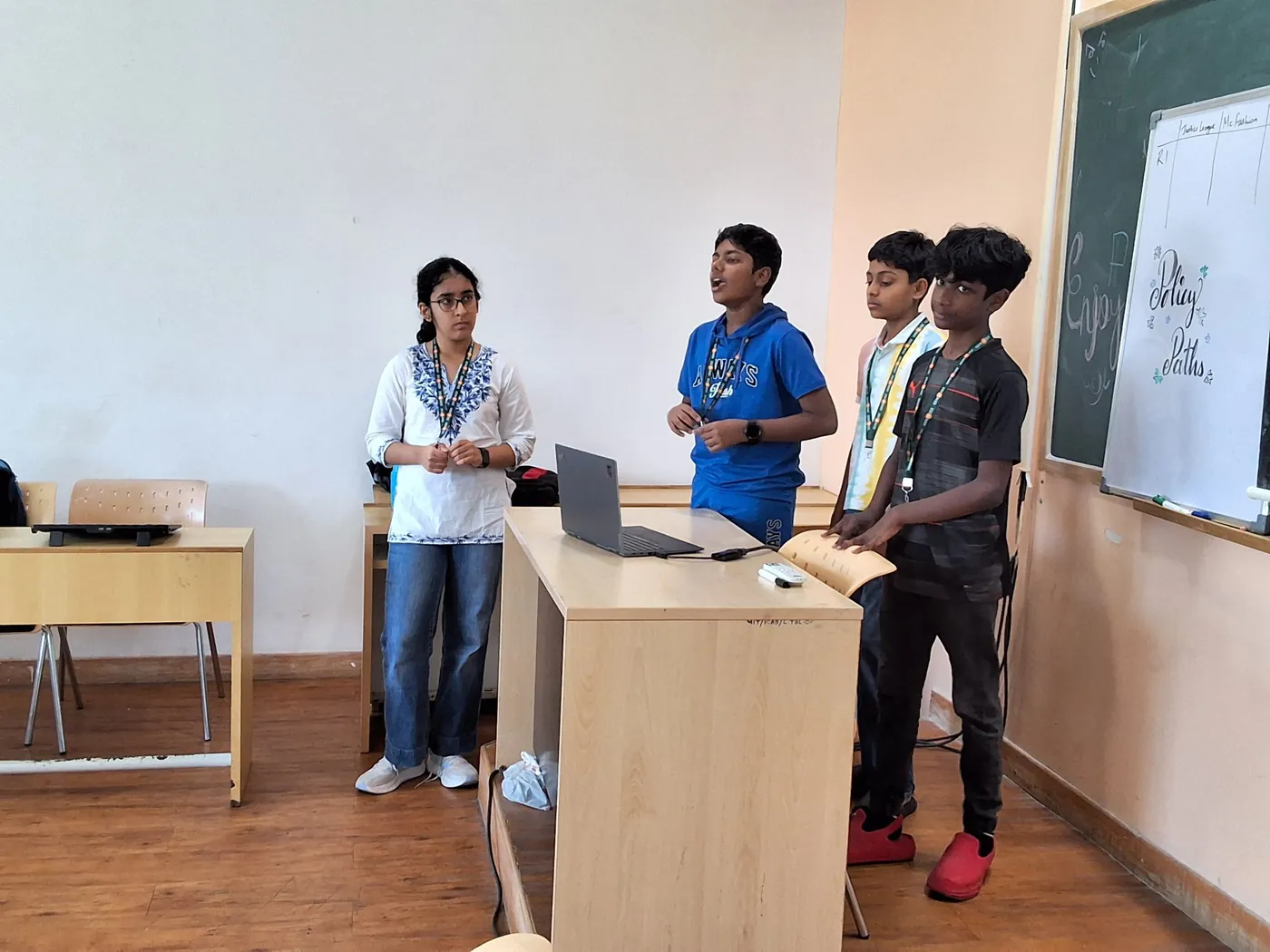
  2. Three students presenting at the front of the room, Policy Paths, GSP'26

    Markets, and how they fail

    How prices steer what people do, with India's own trade policy as the live case, and the six ways markets go wrong.

    • Tariffs and price signals
    • Six market failures
    • Public vs private goods
    • Policy taboo (the game)
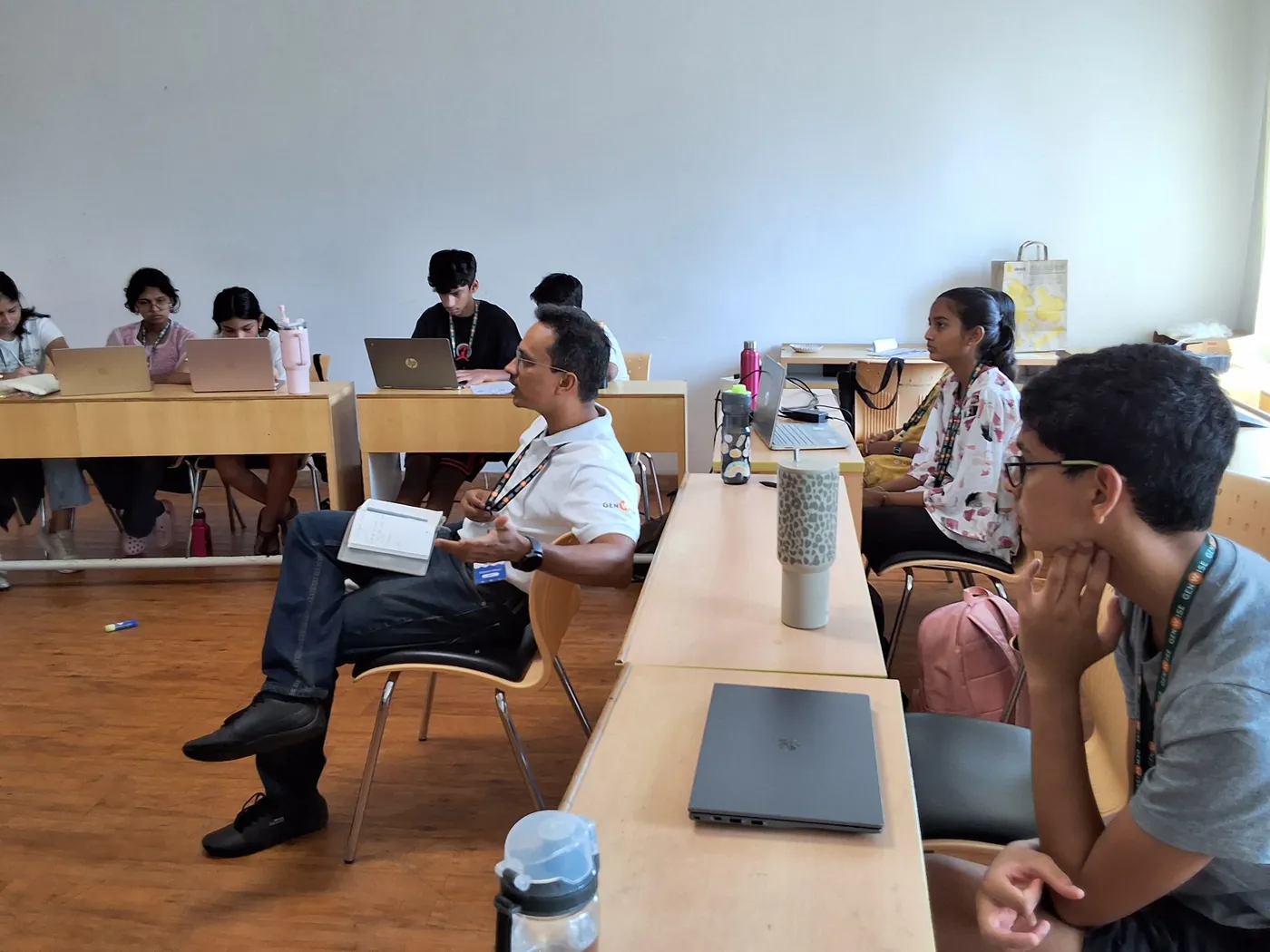
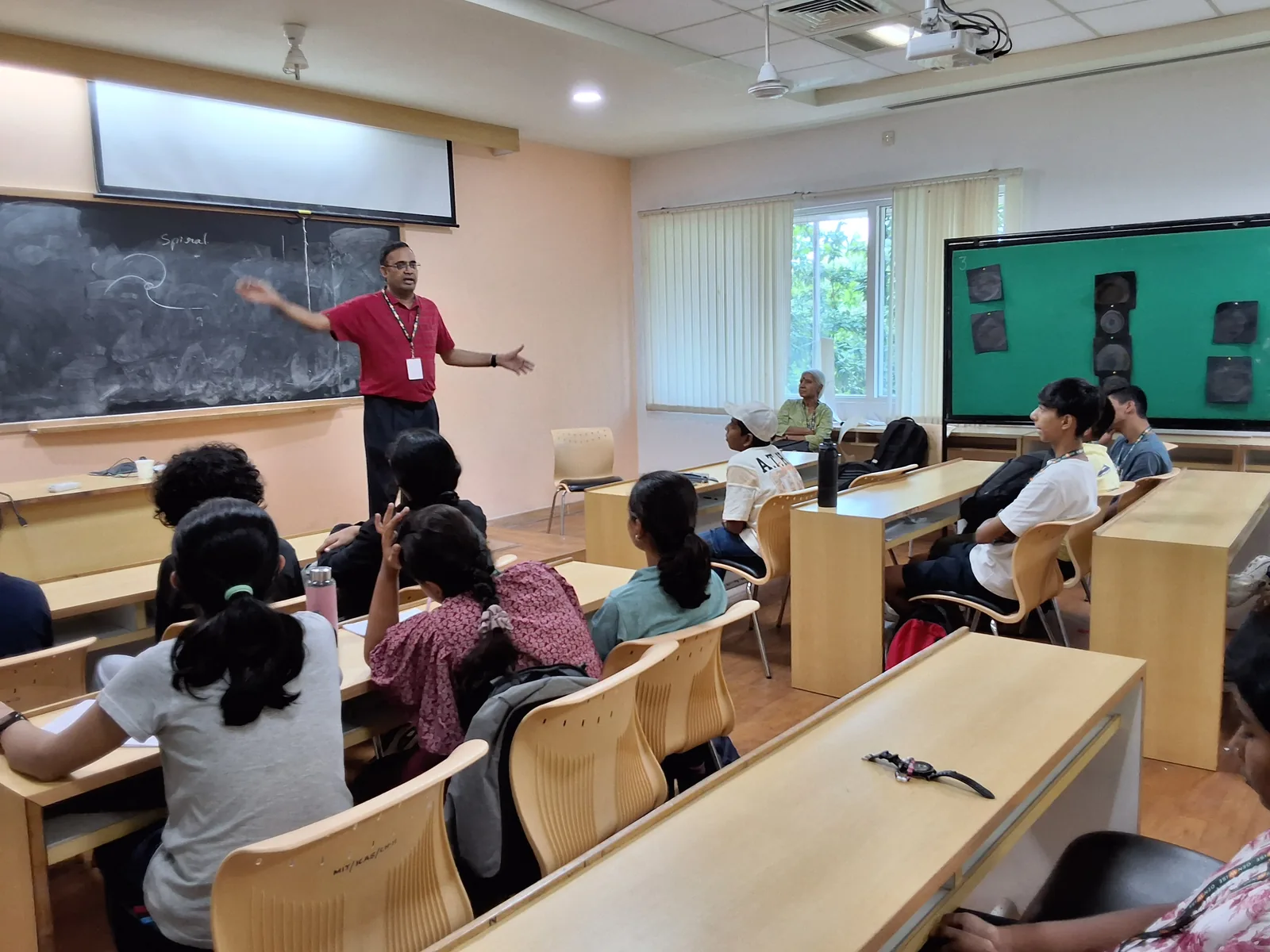
  3. Anupam Manur in discussion with students, Policy Paths, GSP'26

    From analysis to policy

    How stories move policy, then the Policy Hackathon: design a policy, defend it, rebuild it, and face what you didn't intend.

    • Narratives in policy-making
    • The solution: theory and design
    • Policy Hackathon, rounds 1 and 2
    • Unintended consequences
Questions to wrestle with
  • Who actually pays when a government 'gives' something for free?
  • Why do well-intentioned policies backfire — predictably?
  • Can you steelman the position you came in disagreeing with?
Page two

How does this course help your child?

Innovative pedagogy

Every session opens into a floor discussion. Concepts are introduced through cases and then argued over — scenarios, debates, a daily 'fact of the day', and games like policy taboo — so that students practise reasoning out loud rather than recording it.

Academic acceleration

An introductory-economics foundation most students meet only at university, delivered early and through argument: the vocabulary and instincts to read a budget, a tariff, or a subsidy and ask who pays.

Cognitive skillsets

  • Reasoning at the margin
  • Steelmanning the other side
  • Evidence over anecdote
  • Writing and defending a brief

Peer networks

The hackathon is team-built and openly critiqued; students leave with the rare experience of being disagreed with well, by people who read what they wrote.

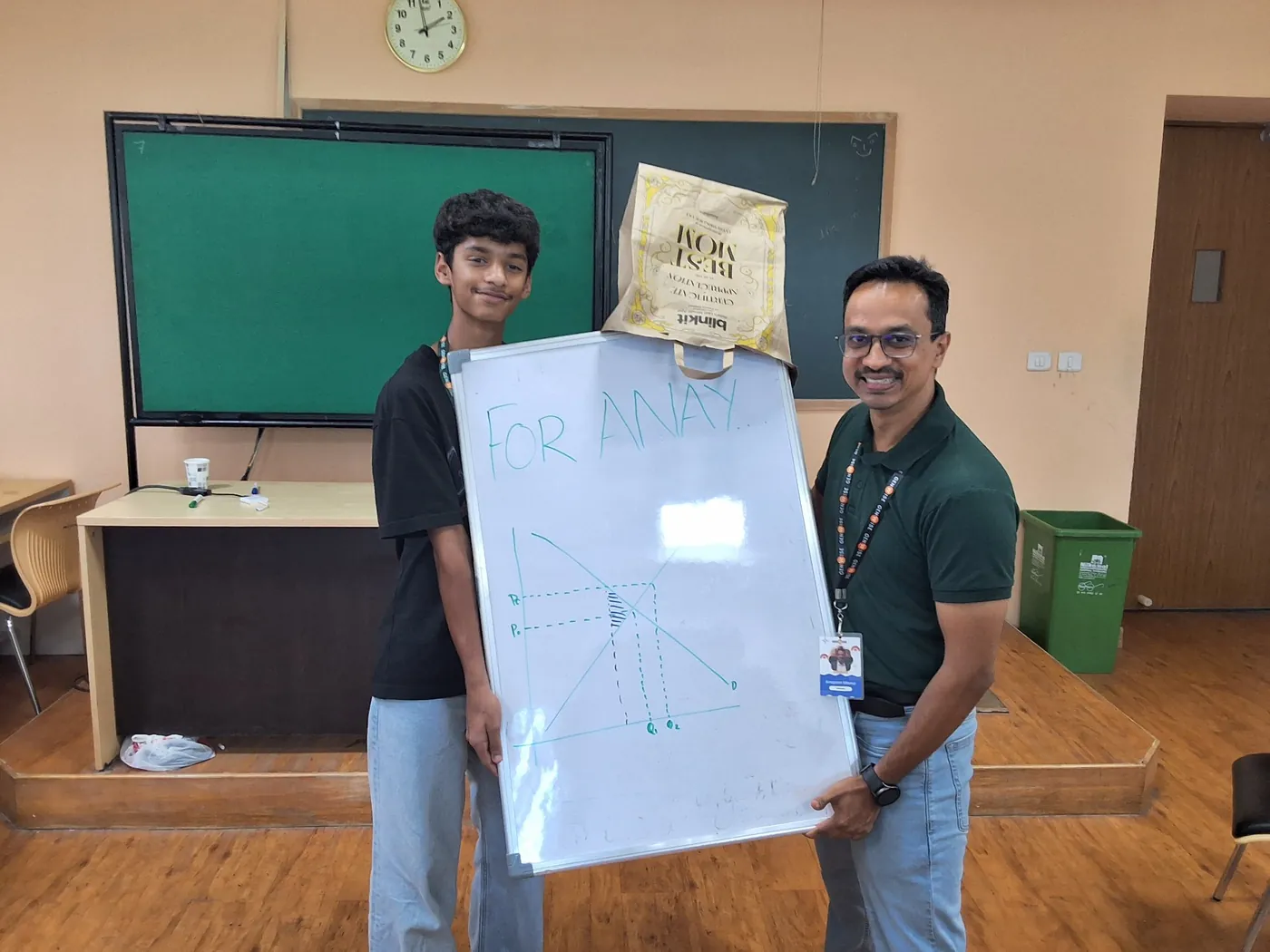
A student and Anupam Manur with a poster from the course, Policy Paths, GSP'26
Anupam Manur at the board, the class listening, Policy Paths, GSP'26
It ends with

A team policy brief, presented twice at the Policy Hackathon and defended at the open day.

May program · 9–29 May 2027 · MAHE Manipal

Like every GSP course: three hours each morning, hands-on afternoons, a real artifact at the open day, and one residential coach or teaching assistant for every five students. The full day, hour by hour

Prerequisites: No prior knowledge of economics, statistics, or public policy is required — basic computer skills and a curiosity about how society functions.

Materials: Paid access to ChatGPT/Claude is required (subscription details provided on registration); everything else is supplied.

Download the two-page course sheet (PDF)

Sounds like your kid?

Apply and tell us Policy Paths caught their eye — the call starts from there.

More from GW Wizards